Kenerate AI
返回提示词库
Culinary Science Diorama: The Chemistry of Chocolate 1Culinary Science Diorama: The Chemistry of Chocolate 2
图像

Culinary Science Diorama: The Chemistry of Chocolate

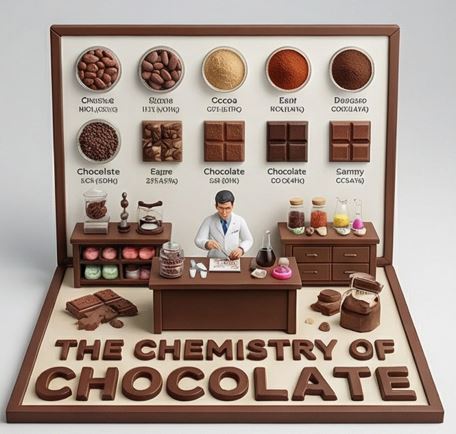
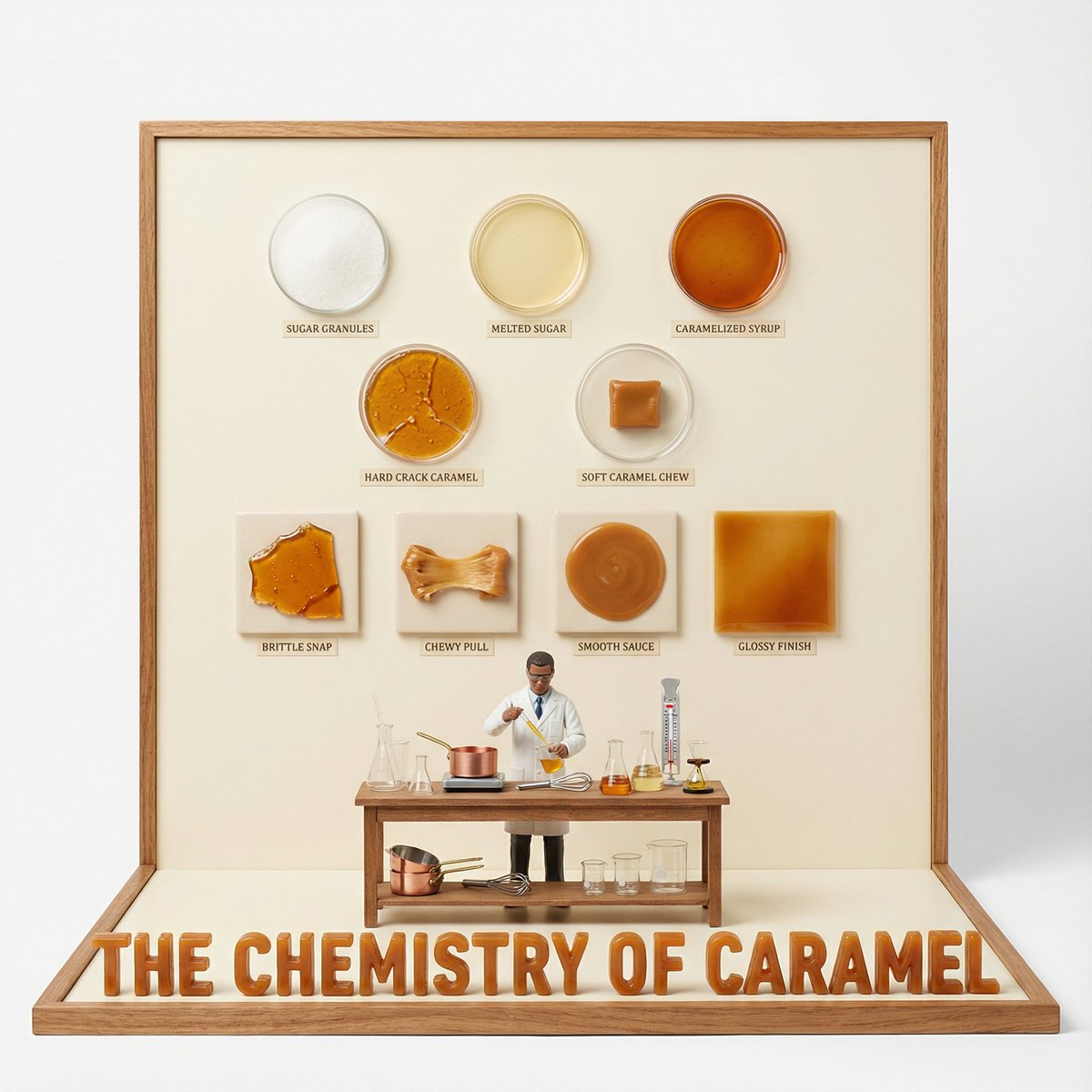
A complex, structured prompt for generating a 'Culinary Science' diorama photograph, specifically illustrating the chemistry of a food item like chocolate or caramel. The scene features an L-shaped display box, a periodic table background with samples in Petri dishes, a 1:12 scale scientist figure, and massive 3D extruded letters made of the food itself, rendered in a 'Wes Anderson' symmetry.

提示词
do this for {argument name="Food Item" default="caramel"} <instruction>
 
Input A is a Complex Food Item or Dish (e.g., Chocolate, Bread, Cheese, Coffee).
Deconstruct the subject into   3 Scientific Layers  :
     The States of Matter:  Identify 4–5 stages of processing.
         (e.g., Cocoa Bean -> Nibs -> Liquor -> Powder. Wheat -> Flour -> Dough -> Crumb). 
     The Texture Samples:  Identify the physical properties to display as swatches.
         (e.g., Snap/Gloss for Chocolate. Porosity/Crust for Bread. Rind/Creaminess for Cheese). 
     The Material: Identify the substance for the 3D text.
         (e.g., Molded Dark Chocolate, Baked Bread Crust, Hard Wax/Cheese). 

  2. Container: 
Goal: "Culinary Science" Diorama Photography.
     The Stage:  An   L-Shaped Display Box   (Vertical Backboard + Horizontal Floor).
     The Finish:  Clean, matte Cream or White plastic, resembling a high-end educational kit or museum exhibit.
     The Frame:  A simple wooden or plastic border framing the scene.

  3. Periodic Table background: 
     The Grid:  The vertical wall features a neat, symmetrical grid of circular   Petri Dishes or Ceramic Bowls  .
     The Contents:  Each dish contains a sample of the "States of Matter" (Step 1).
     The Swatches:  Below the dishes are square tiles displaying the "Texture Samples" (e.g., a square of perfectly tempered chocolate next to a bloomed one).
     The Labels:  Tiny, legible scientific text (Serif font) printed directly on the wall under each sample.

  4. The Floor (The Laboratory):  
     The Narrative:  A 1:12 scale   Scientist or Chef   figure (wearing a lab coat) stands at a central wooden workbench.
    Equipment:  The desk is cluttered with a mix of   Chemistry Glassware   (Beakers, Flasks) and   Culinary Tools   (Whisks, Scales).
     The Experiment:  The figure is actively testing or measuring the food product.

  5. Typography : 
     Placement:  Massive, thick   3D Extruded Letters   stand on the very front edge of the floor, acting as a barrier.
     Construction:  The letters are made  of  the food itself (e.g., "THE CHEMISTRY OF CHOCOLATE" molded in dark chocolate).
     Text:  "THE CHEMISTRY OF {argument name="Input A" default="CHOCOLATE"}".

  Output:   ONE image, 1:1 Aspect Ratio, Studio Product Lighting, "Wes Anderson" Symmetry, Educational Aesthetic.
</instruction>
作者
社区创作者
发布时间
2026年8月26日
使用场景
信息图 / 教育视觉

相似提示词

Clean Whiteboard Animation Illustration

Clean Whiteboard Animation Illustration

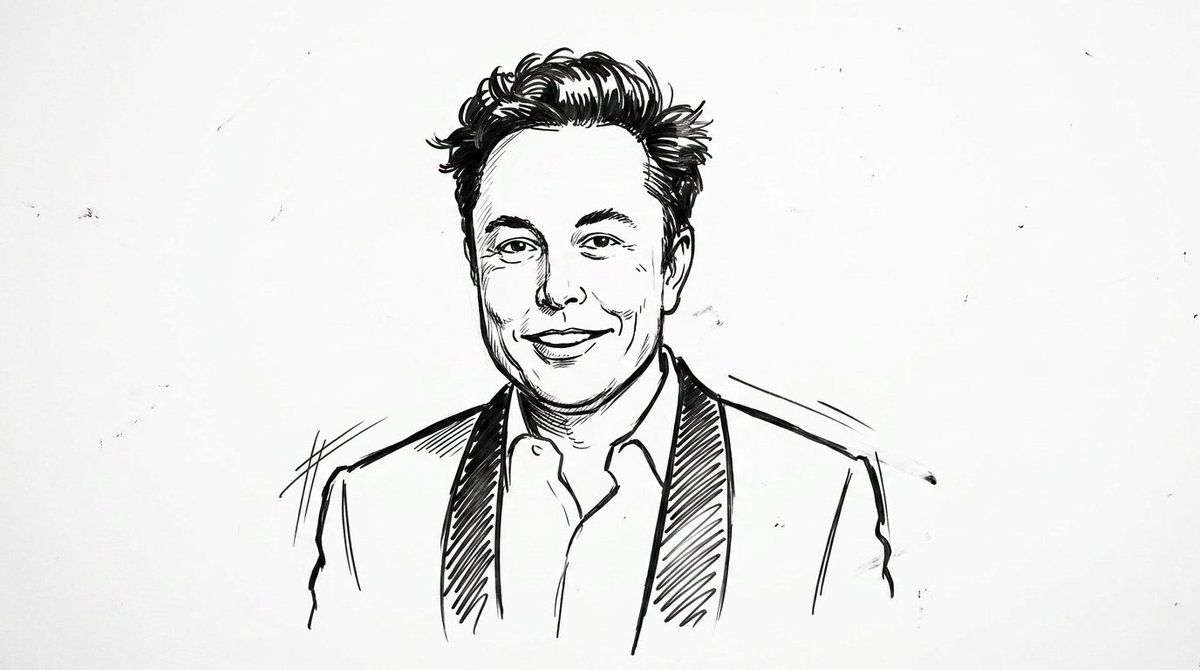
clean {argument name="style" default="whiteboard animation style"} illustration of the person from the reference image, drawn as a simple {argument name="medium" default="black marker sketch"} on a pure white background. Use bold hand-drawn outlines, minimal shading, and a slightly exaggerated cartoon-like style while still preserving the person’s recognizable facial features, hairstyle, and expression. Add subtle motion lines and sketch imperfections to mimic real hand-drawn animation. The character should appear as if being drawn on a whiteboard, with a casual, engaging, and educational vibe. Keep the composition minimal, high contrast, and visually clear, with no complex background elements
Nursery Fashion Style Blueprint Infographic

Nursery Fashion Style Blueprint Infographic

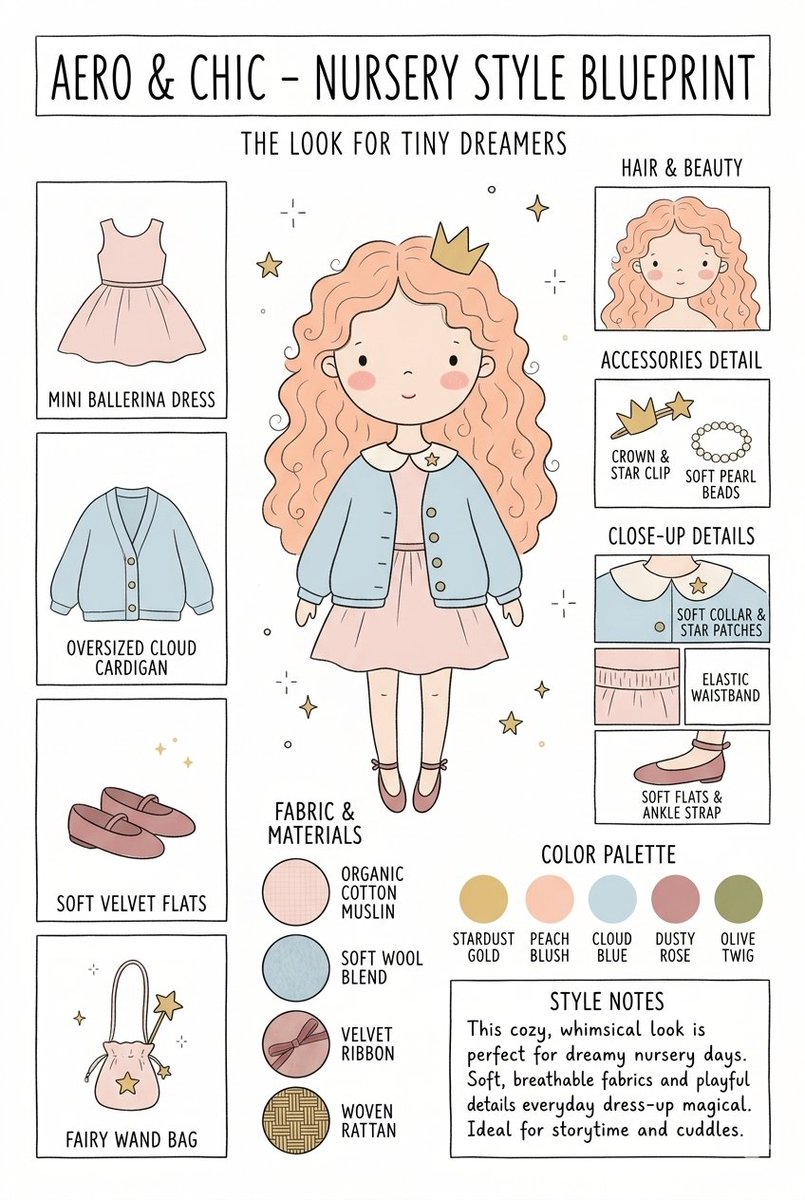
Create a matching pair of "{argument name="title" default="Aero & Chic - Nursery Style Blueprint"}" infographic concept posters, each featuring a full-body cartoon child in a curated outfit surrounded by illustrated fashion breakdowns. The first poster, titled "The Look for Tiny Dreamers," showcases a whimsical style with a girl wearing a {argument name="outfit 1" default="peach ballerina dress"} under an oversized cloud blue cardigan, complete with soft velvet flats, a crown clip, and a fairy wand bag, using a pastel color palette (stardust gold, peach blush, cloud blue, dusty rose, and olive twig). The second poster, titled "The Look for Tiny Artists," showcases a creative, functional style with a boy wearing a {argument name="outfit 2" default="splattered mustard paint smock"} over a striped studio shirt and green trousers, paired with leather ankle boots and a cat canvas tote bag, utilizing an earthy color palette (forest green, mushroom brown, slate blue, cream beige, and rust orange). Both posters must feature identical structural layouts, including side panels for clothing items, close-up details, accessories like beads, fabric swatches (such as organic cotton and wool blends), a color palette row, and a "Style Notes" text box at the bottom.

Kid-Friendly Routine Poster Prompt

Kid-Friendly Routine Poster Prompt

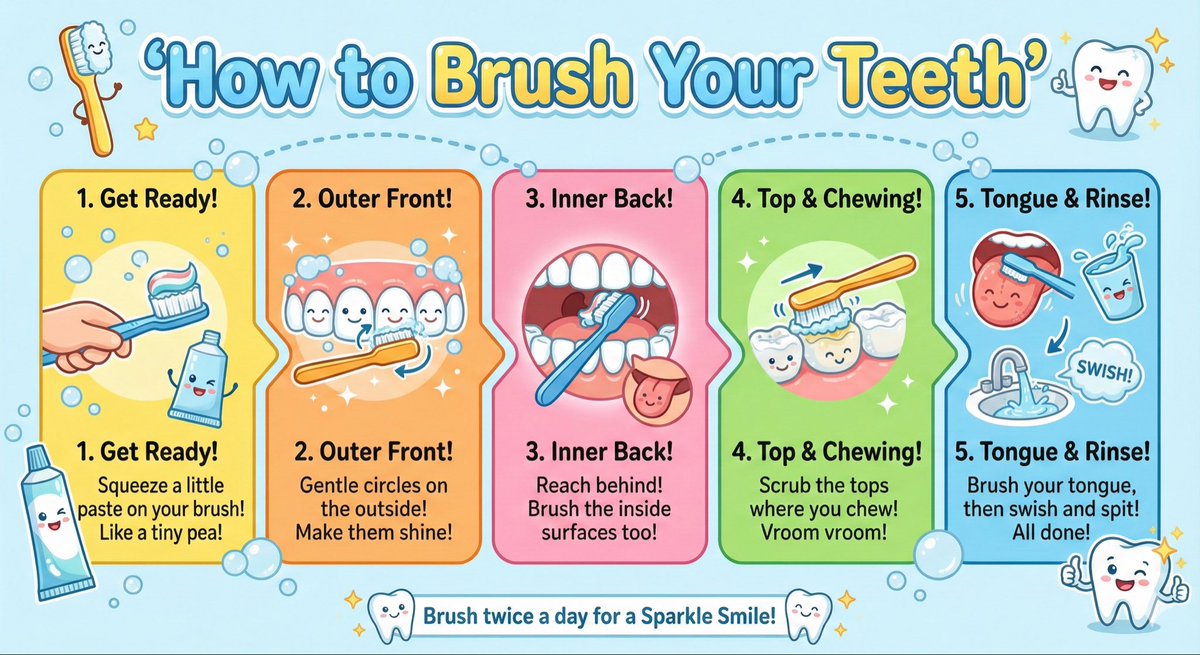
Create a kid-friendly ‘How to Brush Your Teeth’ poster with cartoon teeth, simple steps, bright colors, and big illustrations.

Google AI Ecosystem Diagram Generation

Google AI Ecosystem Diagram Generation

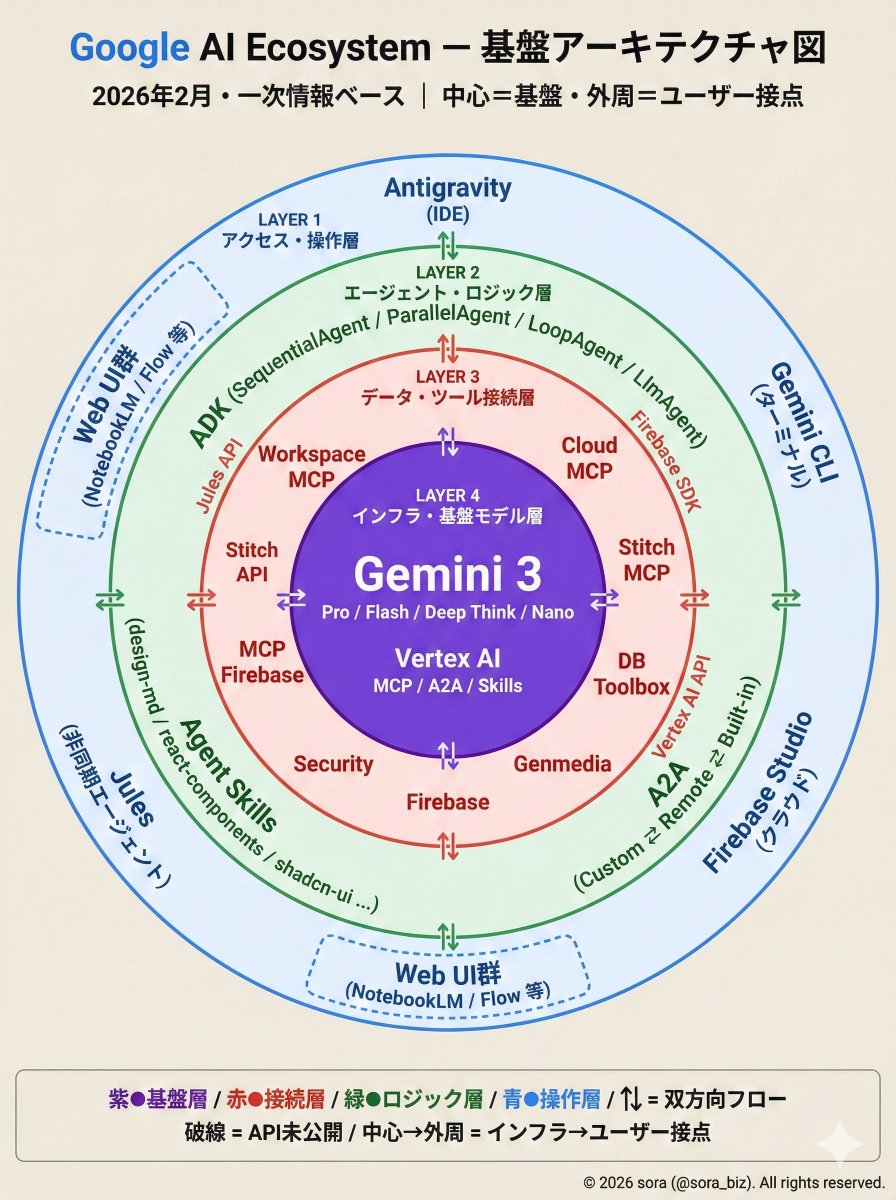
The Google AI ecosystem is organized into a four-layer structure based on primary information. There is a whole picture that cannot be seen from the tools alone. How MCP, ADK, and Antigravity connect around Gemini.

Technical Infographic Overlay on a Laptop Image

Technical Infographic Overlay on a Laptop Image

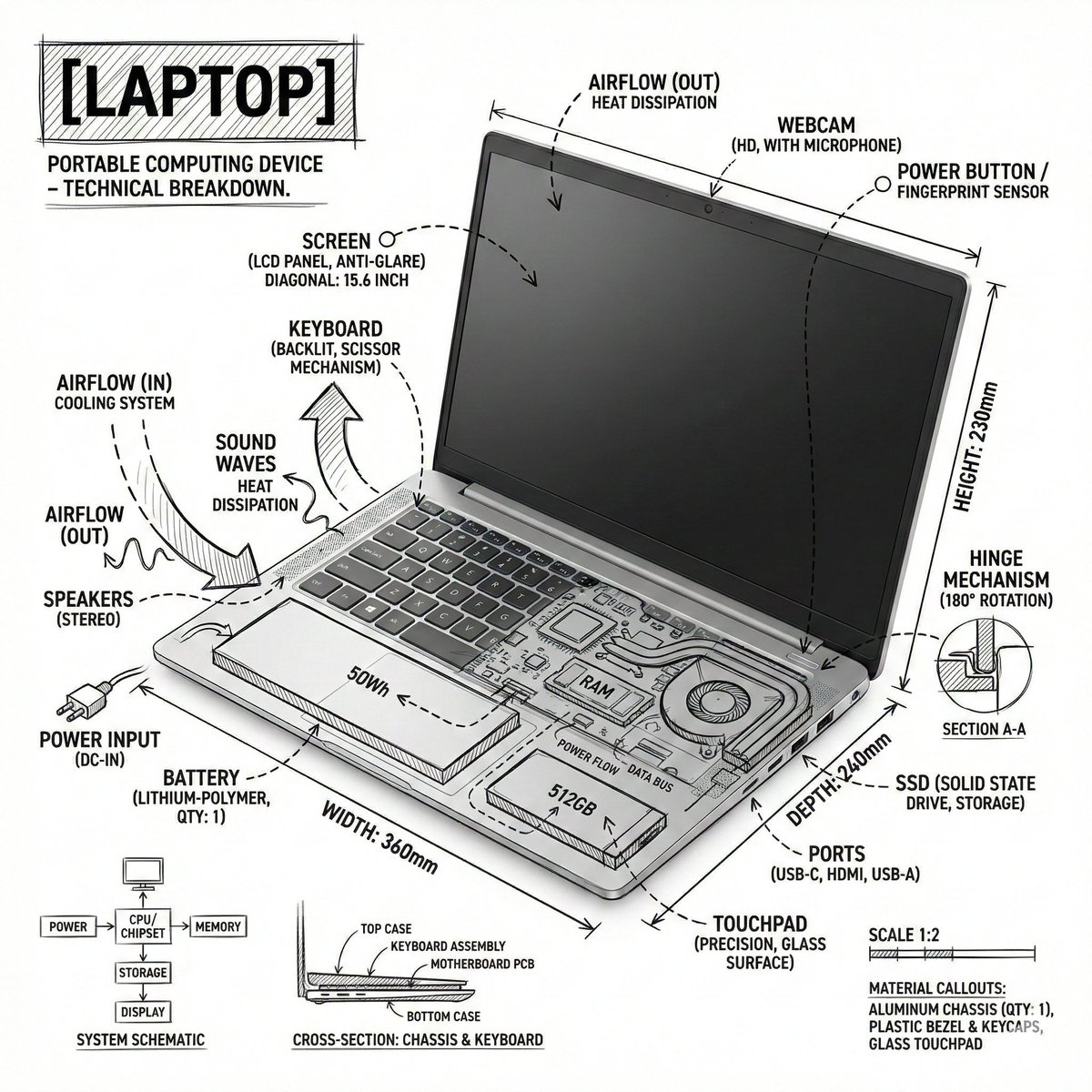
Create an infographic image of {argument name="object" default="laptop"} ,combining a realistic photograph or photoreal render of the object with technical annotation overlays placed directly on top. Use black ink–style line drawings and text (technical pen / architectural sketch look) on a pure white studio background, including: •Key component labels •Internal cutaway or exploded-view outlines •Measurements, dimensions, and scale markers •Material callouts and quantities •Arrows indicating function, force, or flow (air, sound, power, pressure) •Simple schematic or sectional diagrams where relevant Place the title [OBJECT] inside a hand-drawn technical annotation box in one corner. Style & layout rules: •The real object remains clearly visible beneath the annotations •Annotations feel sketched, technical, and architectural •Clean composition with balanced negative space •Educational, museum-exhibit / engineering-manual vibe Visual style: Minimal technical illustration aesthetic, black linework over realistic imagery, precise but slightly hand-drawn feel. Color palette: White background, black annotation lines and text only. No colors. Output: 1080×1080, ultra-crisp, social-feed optimized, no watermark.”

部分提示词收录自 X 平台创作者,版权归原作者所有。