
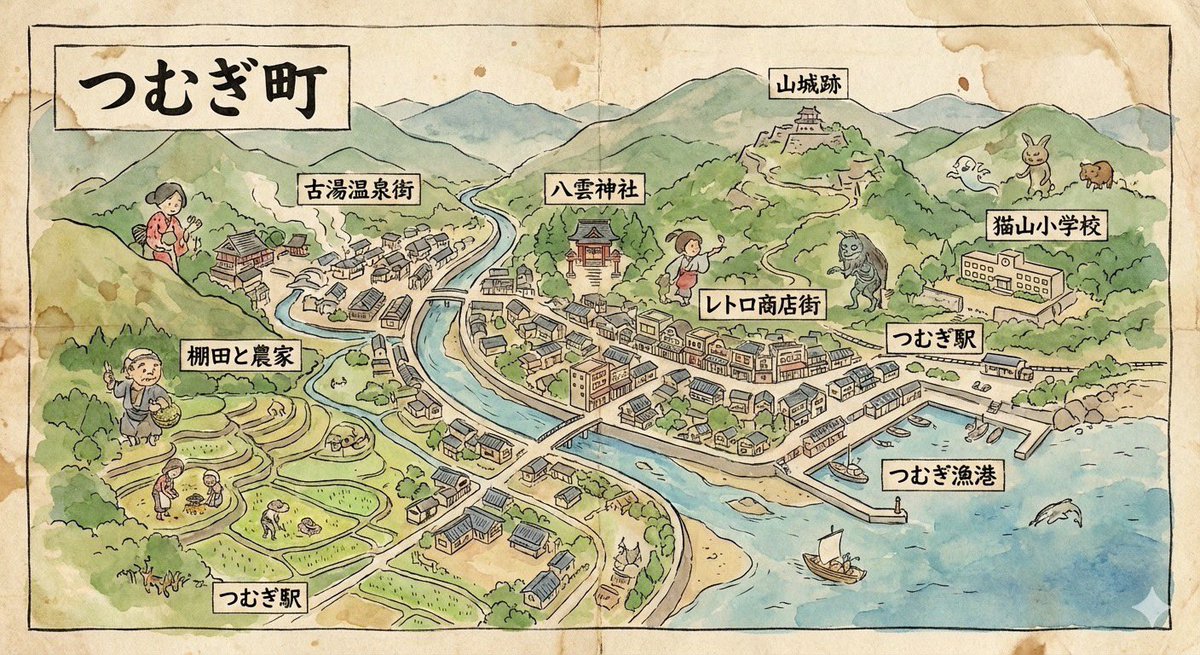
Hand-drawn map of a fictional Japanese town
A hand-drawn map of a fictional town in {argument name="country_en" default="Japan"}.
提示词库
汇集全球创作者的精选图像、视频与建站提示词。复制任意一条,替换主体或风格,即可用最新模型生成。
15,630 条提示词 · 每日更新 · 完全免费
共 599 条
A hand-drawn map of a fictional town in {argument name="country_en" default="Japan"}.
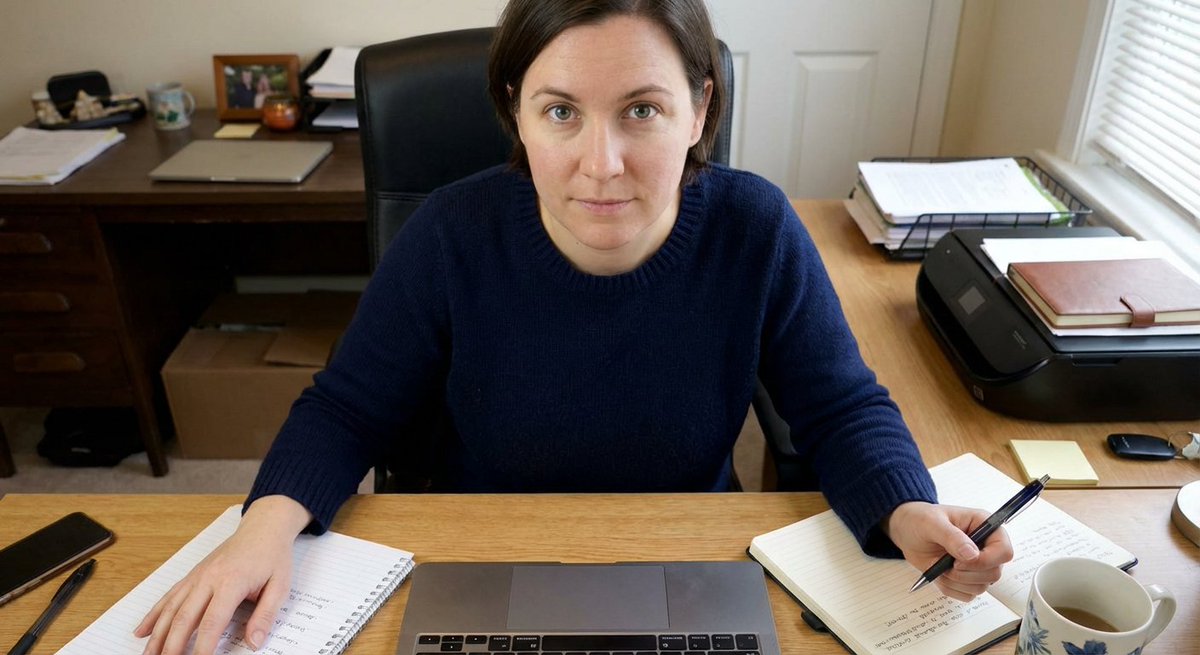
A person is facing the camera, sitting at a desk, with both hands positioned on either side of the frame. Important: the hand on the right side of the frame is holding a pen.
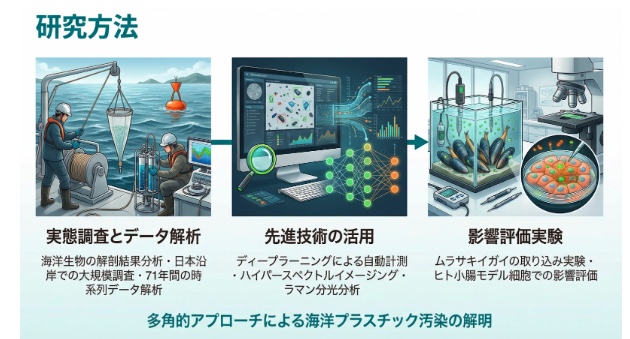
"Create {argument name="number of slides" default="20"} slides about {argument name="topic" default="XX"}"
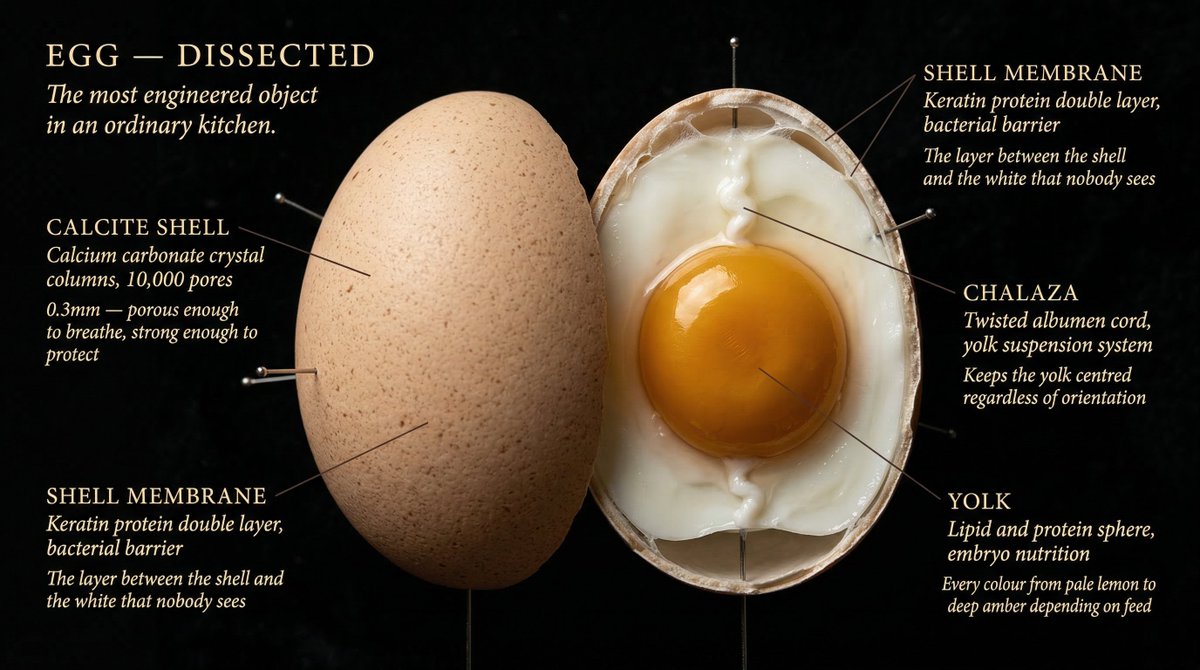
[NATURAL OBJECT] dissected as if by a master naturalist who found it in the wild. Split and pinned open like a specimen, but lit as if Caravaggio worked for National Geographic. Every internal structure glowing with its own material truth. Cross-section so sharp it feels violent. Interior so beautiful it feels sacred. The full object present, one half intact, one half opened to its core, every layer at the resolution of obsession. Background: pure black velvet. The object floats in it like something precious and dangerous. Labels pressed close, handwritten-weight serif, never floating: "[STRUCTURE]" / "[MATERIAL TRUTH]" / "[AGE OR SCALE]" "{argument name="object" default="[OBJECT]"} DISSECTED" title in warm ivory caps, upper left. "{argument name="line" default="[One line that makes you lean closer]"}" italic beneath. Mood: Audubon illustration meets Caravaggio meets the most beautiful science photograph ever taken. 4K, specimen lighting, extraordinary interior detail, nothing clinical, everything alive.
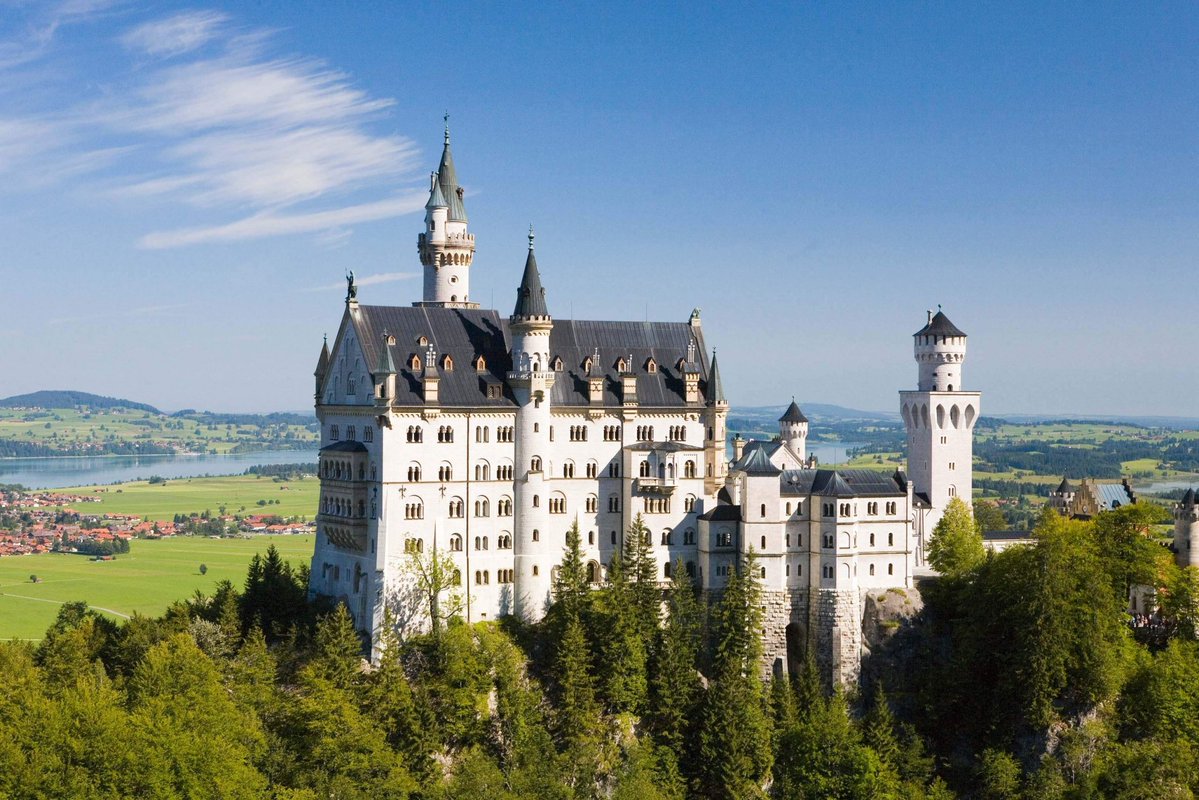
Create an orthogonal blueprint including the floor plan of this building.
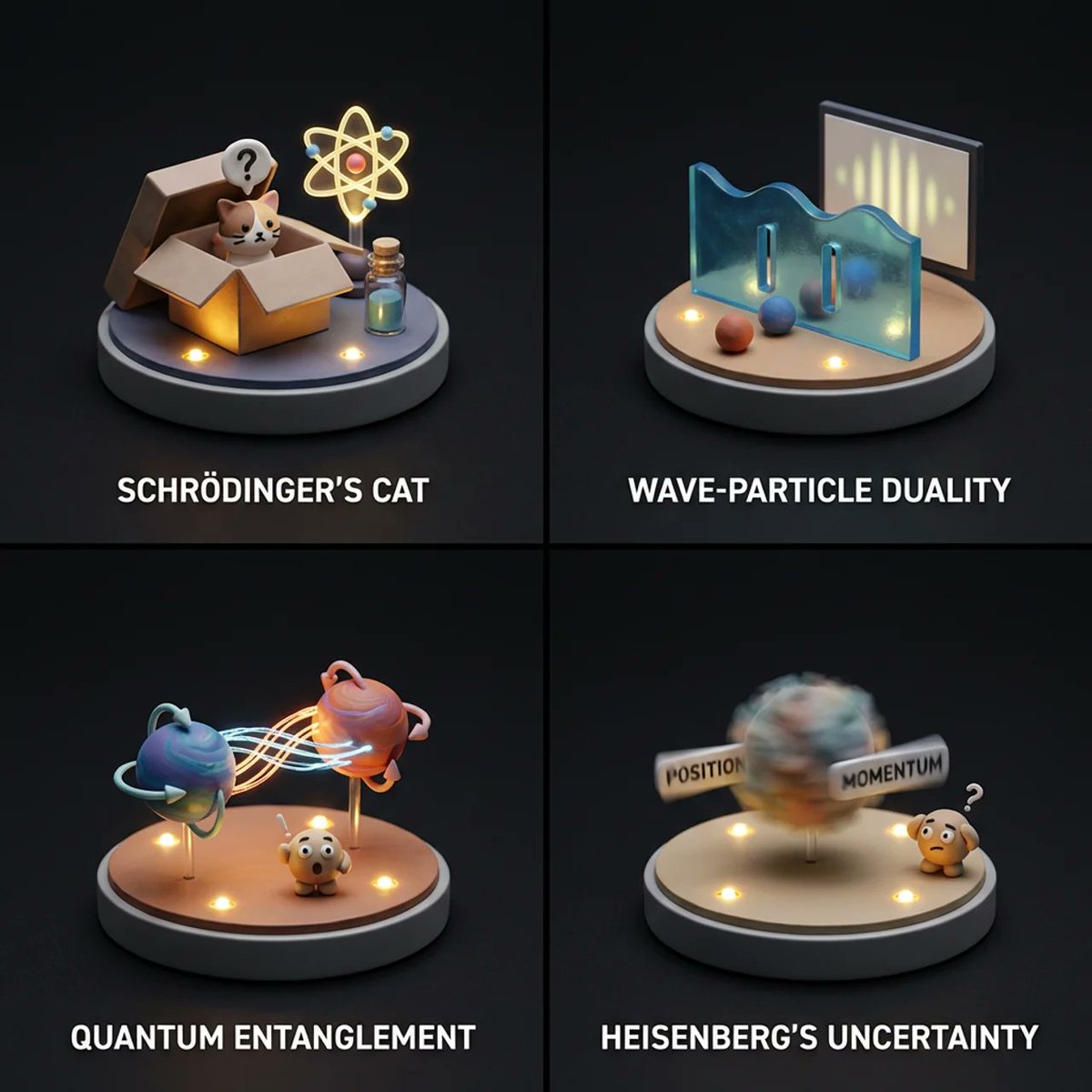
2x2 grid of famous quantum mechanics concepts: Render = ( Micro_Diorama_Platform * 1.0 ) + ( Sculpted_Miniature_Backdrop_[TOPIC] * 1.5 ) + ( 3D_Miniature_Scene_Sculpt_[TOPIC] * 2.0 ) + ( Resin_and_Clay_Materials * 2.0 ) + ( Cinematic_Miniature_Lighting * 2.0 ) + ( Tiny_Mascot_Character * 1.0 ) + ( Clean_Studio_Void * 1.0 ) - ( Photorealism / 2.0 ) - ( Human_Proportions )

From a humble garage to a futuristic peak — a frameless isometric world that tells an entire company’s evolution in one vertical timeline 🚀🏗️
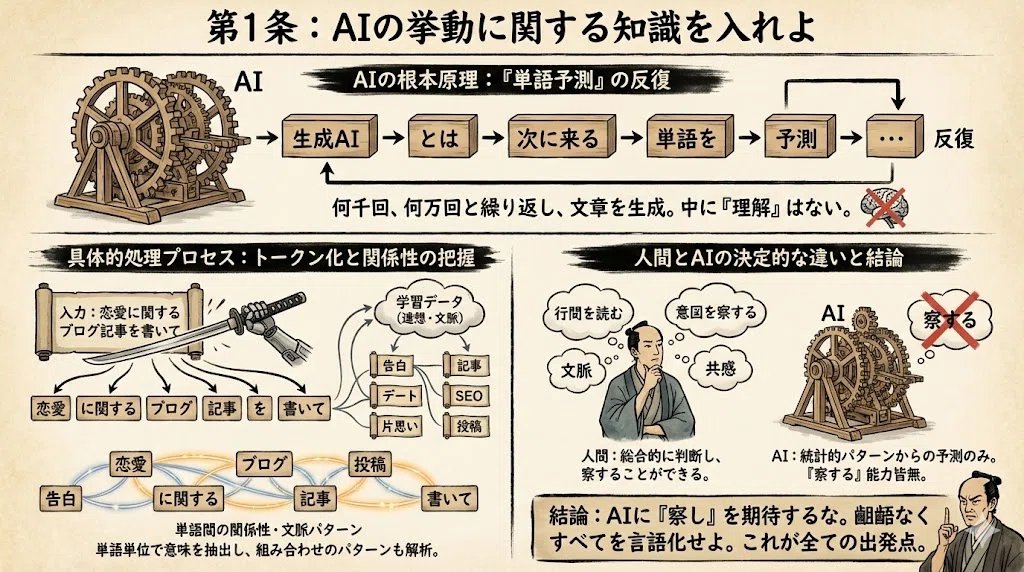
From the information below, create an explanatory image in infographic format. Use a classic-style Japanese font. Aspect ratio: 16:9. lang: ja. Reference information: {argument name="reference_info_en" default="[insert your reference information here]"}
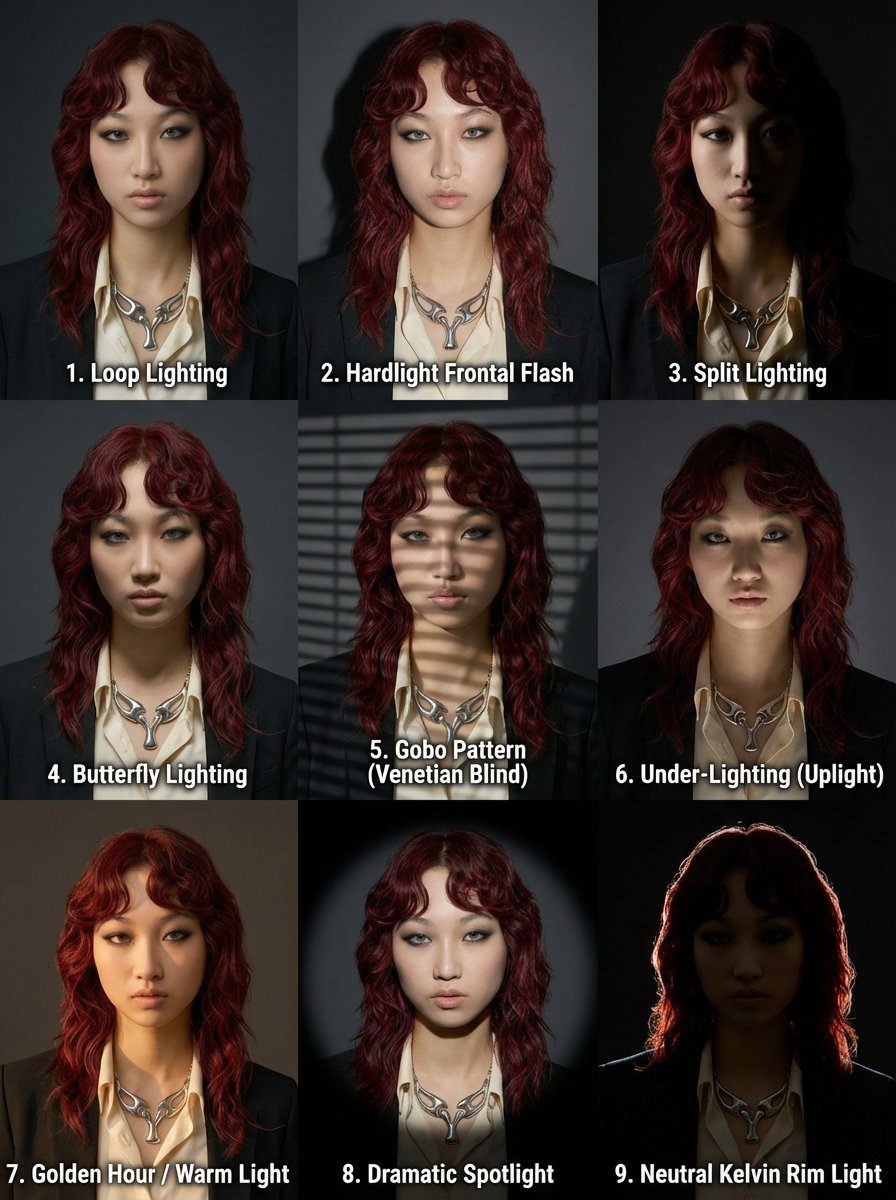
A 3x3 photo grid presented as a single image on a dark grey background. Each of the nine grid cells contains a different portrait of the same subject from the uploaded image, maintaining the perfect character consistency, outfit and pose across all panels. Below each individual portrait, a clean sans-serif text label with a number and name is clearly displayed. The grid layout and lighting setups are: - Top row, left to right: Loop Lighting (Flattering 3/4 light with a small loop of shadow from the nose onto the cheek) Hardlight Frontal Flash (direct front facing, harsh flashlight with deep frontal shadows) Split Lighting (dramatic light on only one side of the face, leaving the other side completely dark) - Middle row, left to right: Butterfly Lighting (classic symmetrical light from the front, slightly high, with a small shadow under the nose) Gobo Pattern (Venetian Blind)' (light projected through Venetian blinds, creating linear shadows across the face and clothes, the shadow can also be scene on the background) Under-Lighting (Uplight)' (light coming from below, creating reverse shadows and a moody look) - Bottom row, left to right: Golden Hour / Warm Light' (bathed in soft, golden, warm light from a side angle) Dramatic Spotlight (hard, narrow circular beam of light, with a deep chiascuro effect and crushed blacks) Neutral Kelvin Rim Light' (intense backlighting with no front fill, creating a distinct glowing outline around the hair and shoulders, leaving the face in darkness, against a black background). The perspective and features remain identical in all panels, with only the specified lighting changing to match the label.

A vintage, technical scientific diagram of [{argument name="subject" default="A GIANT STRAWBERRY SHORTCAKE"}], styled as a {argument name="style" default="1920s laboratory blueprint"}. The central dessert is highly detailed with scientific callouts using pseudo-intellectual terms like 'Aerated Dairy Matrix' or 'Granulated Sucrose Dusting.' The image features several data visualizations: a 'Moisture Absorbency Graph,' a 'Flavor Profile Hexagon,' and a 'Texture Hardness Scale' similar to the Mohs scale. The background is aged, tea-stained parchment with ornate Victorian borders, technical sketches of beakers and thermometers, and a 'Registered No. 1923' stamp at the bottom. Aesthetic: Retro-futurism, Da Vinci sketch meets old-school soda shop menu.
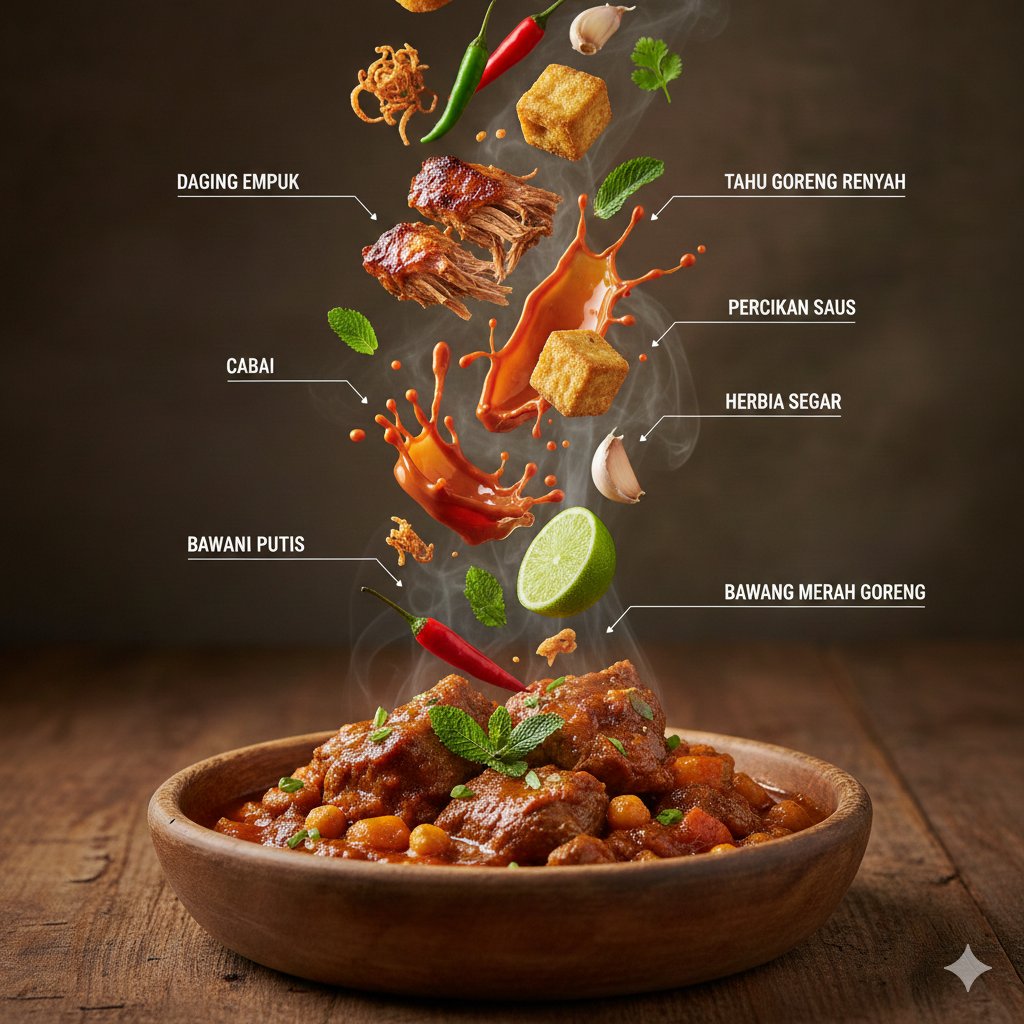
{ "request_type": "HyperRealistic_Infographic_Generator", "environment_config": { "cuisine_theme": "{argument name="cuisine theme" default="Arabic"}", "background_surface": "Rustic_Aged_Wood", "lighting_model": "Cinematic_Studio_Warm", "atmosphere_effects": ["High_Density_Steam", "Motion_Freeze_Action"] }, "visual_composition": { "anchor_element": { "object": "Traditional_Middle_Eastern_Ceramic_Bowl", "state": "Steaming_Hot_Platter", "position": "Bottom_Center" }, "dynamic_elements": { "arrangement": "Vertical_Levitation_Gravity_Defying", "ingredients": [ "{argument name="main ingredient" default="Slow_Cooked_Shredded_Lamb"}", "Crispy_Tofu_Cubes", "Viscous_Glossy_Tomato_Sauce_Splashes", "Fresh_Cilantro_and_Mint_Sprigs", "Whole_Red_and_Green_Chilies", "Symmetrical_Lime_Slices", "Whole_Garlic_Bulbs_and_Cloves", "Golden_Fried_Shallots" ] } }, "graphic_design_layer": { "annotation_style": "Editorial_Magazine_Infographic", "language": "Indonesian", "typography": { "font_weight": "Bold_Clean_Sans", "connector_lines": "Thin_White_Minimalist" }, "labels": [ "Tender Meat", "Crispy Fried Tofu", "Sauce Splashes", "Fresh Herbs", "Chili", "Lime", "Garlic", "Fried Shallots" ] }, "technical_output_specs": { "camera_settings": "Shallow_Depth_of_Field_Macro", "texture_detail": "8K_Ultra_Detailed_PBR", "rendering_engine": "DSLR_Look_High_Fidelity" } }
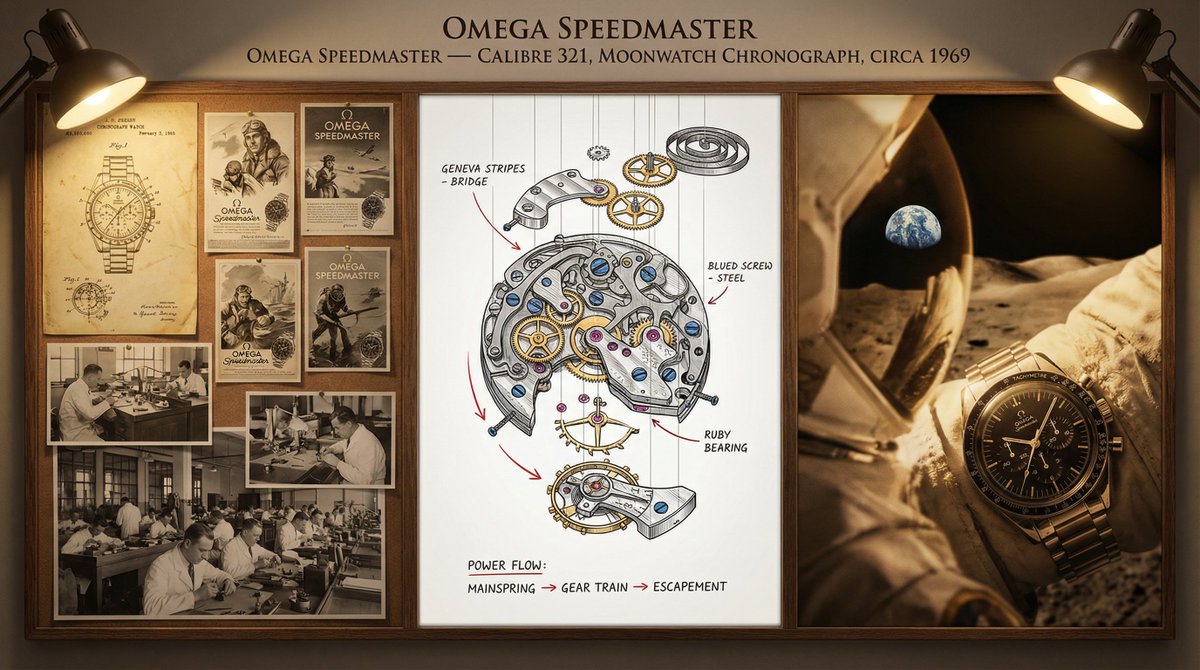
A master watchmaker's documentation board for {argument name="timepiece" default="a Tourbillon Chronograph"} — {argument name="manufacture" default="Patek Philippe"} / {argument name="complication" default="Perpetual Calendar"} / {argument name="year" default="1950"}. Left section: historical context showing the original patent drawings, period advertisements in gilded frames, and archival photographs of the atelier with craftsmen at work. Center section: the movement in exploded view, every wheel, spring, and jewel suspended in precise spatial relationship, with material callouts (Geneva stripes, blued screws, ruby bearings) and functional annotations tracing the flow of power from mainspring to escapement. Right section: the completed watch in its defining context—wrist of an explorer, pocket of a diplomat, or display case of a collector—captured with shallow depth and warm side lighting. Visual style transitions from sepia patent office to mechanical precision chrome to intimate portraiture. Title block reading "{argument name="watch name" default="[WATCH NAME]"} — CALIBRE {argument name="calibre number" default="[NUMBER]"}, {argument name="complication" default="[COMPLICATION]"}, CIRCA {argument name="year" default="[YEAR]"}".
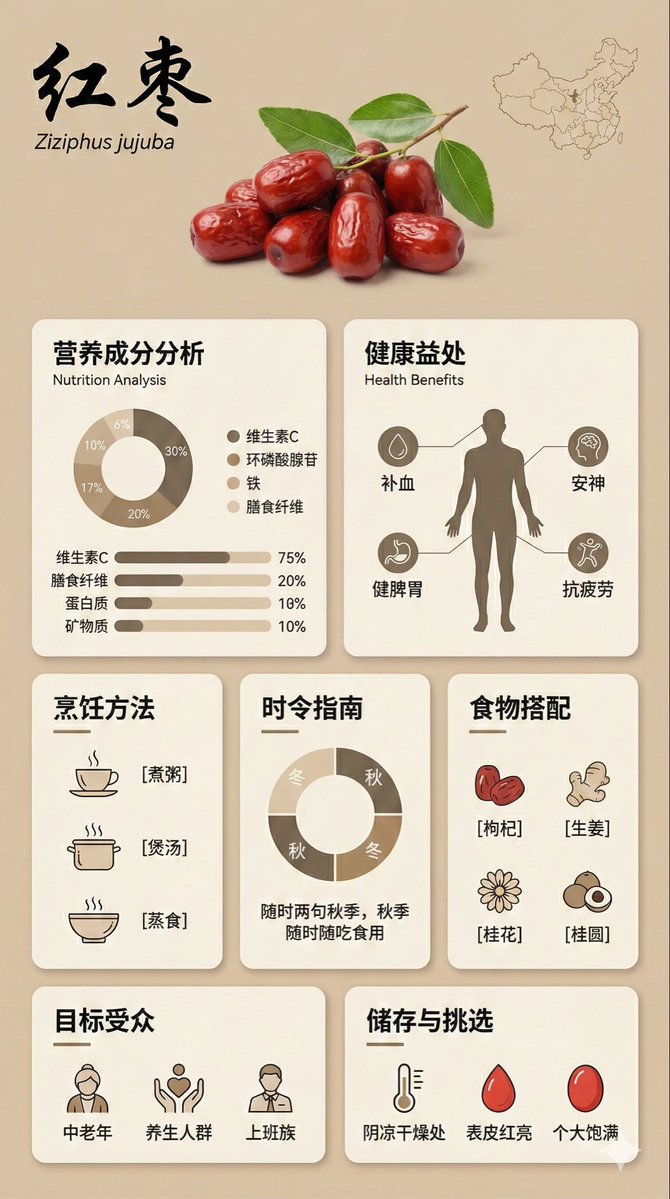
{ "image_analysis": { "subject": "Infographic about {argument name="ingredient name" default="Goji Berry"}, 9:16", "style": "Modular Bento Grid Design / Minimalist UI Design", "tone": "Professional, warm, high-end, educational", "primary_colors": ["Beige", "Cream", "Dark Brown", "Warm Earth Tones"] }, "prompt_elements": { "subject_description": "A high-quality educational infographic poster about {argument name="ingredient name" default="Goji Berry"}.", "layout": "Bento box style modular grid layout, clean UI/UX interface design, divided into clear rectangular cards.", "visual_details": [ "Top header with a striking, elegant Chinese calligraphy title 'Ingredient Chinese Name' and its scientific name", "Center top features a hyper-realistic photographic image of [visual description of fresh ingredient]", "A small outline map of [origin/country] in the corner", "Section 1: Nutritional analysis with donut charts and bar charts, percentages indicating proportions", "Section 2: Human silhouette diagram showing health benefits with connecting lines", "Section 3: Cooking method matrix with minimalist line icons ([Cooking Method 1], [Cooking Method 2], [Cooking Method 3])", "Section 4: Seasonal consumption guide with circular charts", "Section 5: Food pairing grid with simple icons ([Pairing 1], [Pairing 2], [Pairing 3])", "Section 6: Target audience profile icon", "Section 7: Storage and selection guide with temperature and weather icons" ], "art_style": "Minimalist graphic design, soft vector illustrations combined with product photography, flat design icons, clean typography.", "lighting": "Soft diffused studio lighting, shadowless and flat lay aesthetic.", "color_palette": "Monochromatic warm beige background, off-white cards, dark brown and charcoal grey text, soft accents." "negative_prompt": "Cluttered, neon colors, messy layout, low resolution, blurry, distorted text, 3D rendering, dark background, chaos, oversaturated, watermark" }
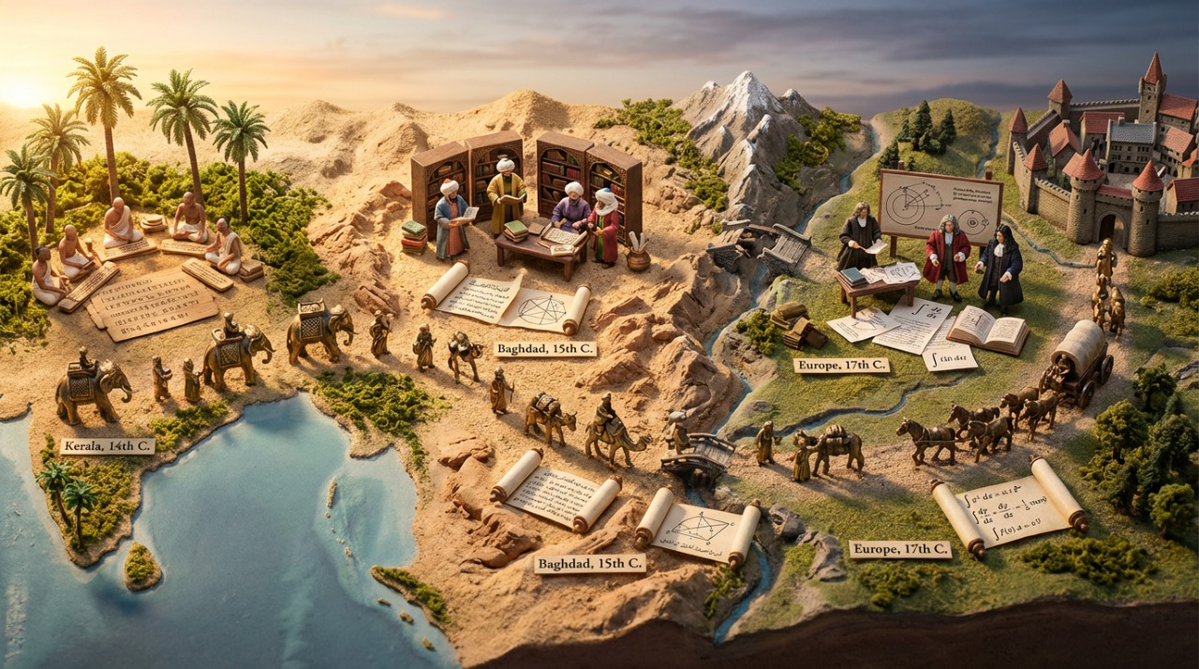
Input A: {argument name="concept" default="calculus"} Input A is a technology that traveled historical trade routes (papermaking, gunpowder, astronomy, silk production, algebra, etc.). Analyze: origin civilization, the journey route, cultural adaptations at each stop, timeline of spread. Goal: Miniature Silk Road/trade route caravan scene showing technology being transported and transformed. Rules: - Base: 3D topographic map showing actual historical route (mountains, deserts, seas) - Caravan: 8-12 miniature merchant/scholar figurines progressing along route with pack animals - Each stop: micro-diorama of how that civilization adapted the technology * Origin point: technology in pure form with inventor culture's aesthetic * Midpoint stops: hybrid versions showing cultural fusion * Destination: fully transformed/adapted version - Include: the technology itself transforming—paper becoming different textures, numbers changing symbol systems, etc. - Obstacles: miniature barriers that were overcome (mountain passes, hostile territories, language barriers shown as scroll fragments in different scripts) - Time markers: seasons/years labeled along route - Materials: actual sand/terrain materials, tiny textiles from different cultures, brass caravans - Lighting: journey from dawn (origin) to dusk (destination) across the scene Output: ONE image, 21:9 ultra-wide to capture full journey, epic historical adventure photography
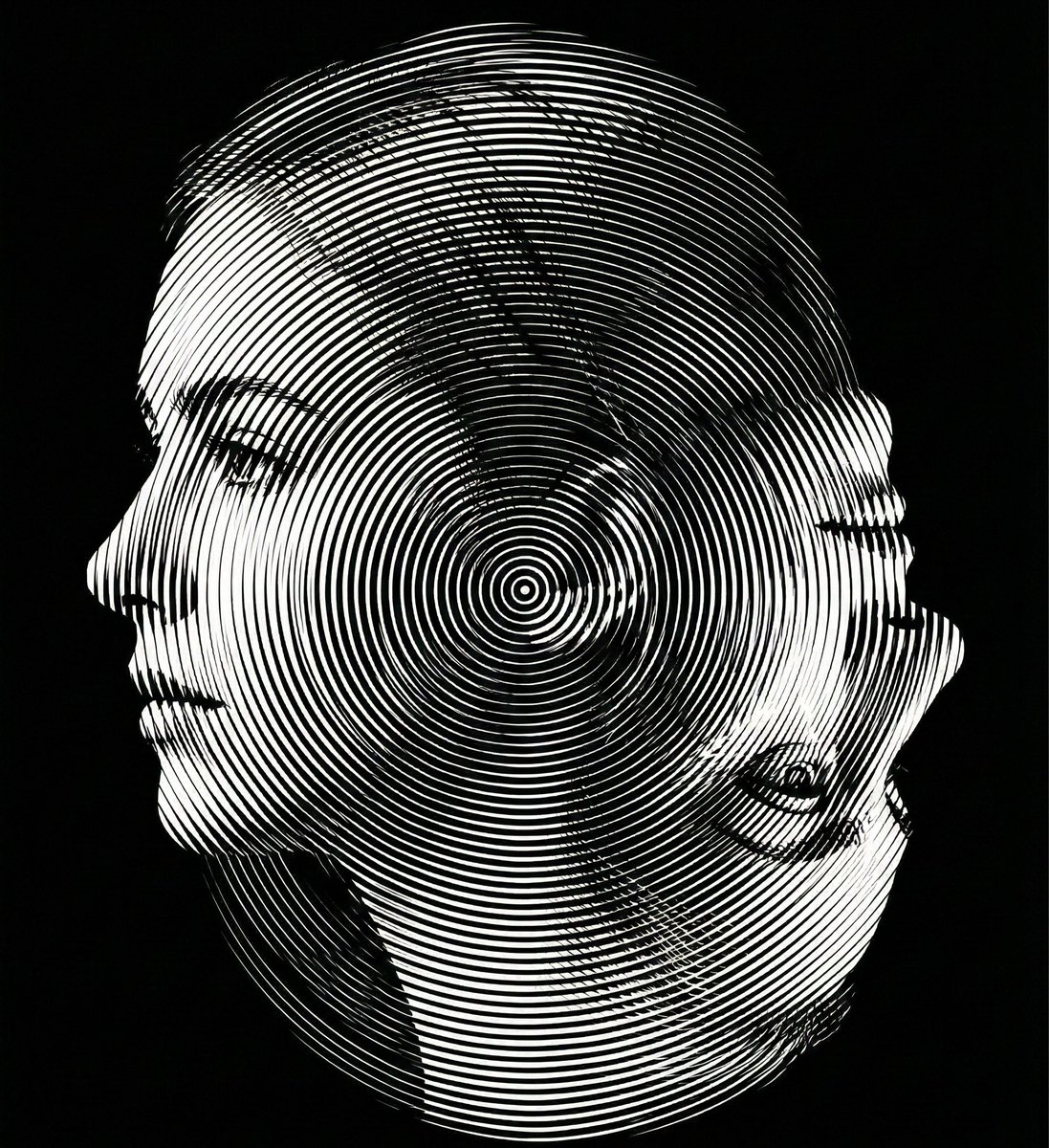
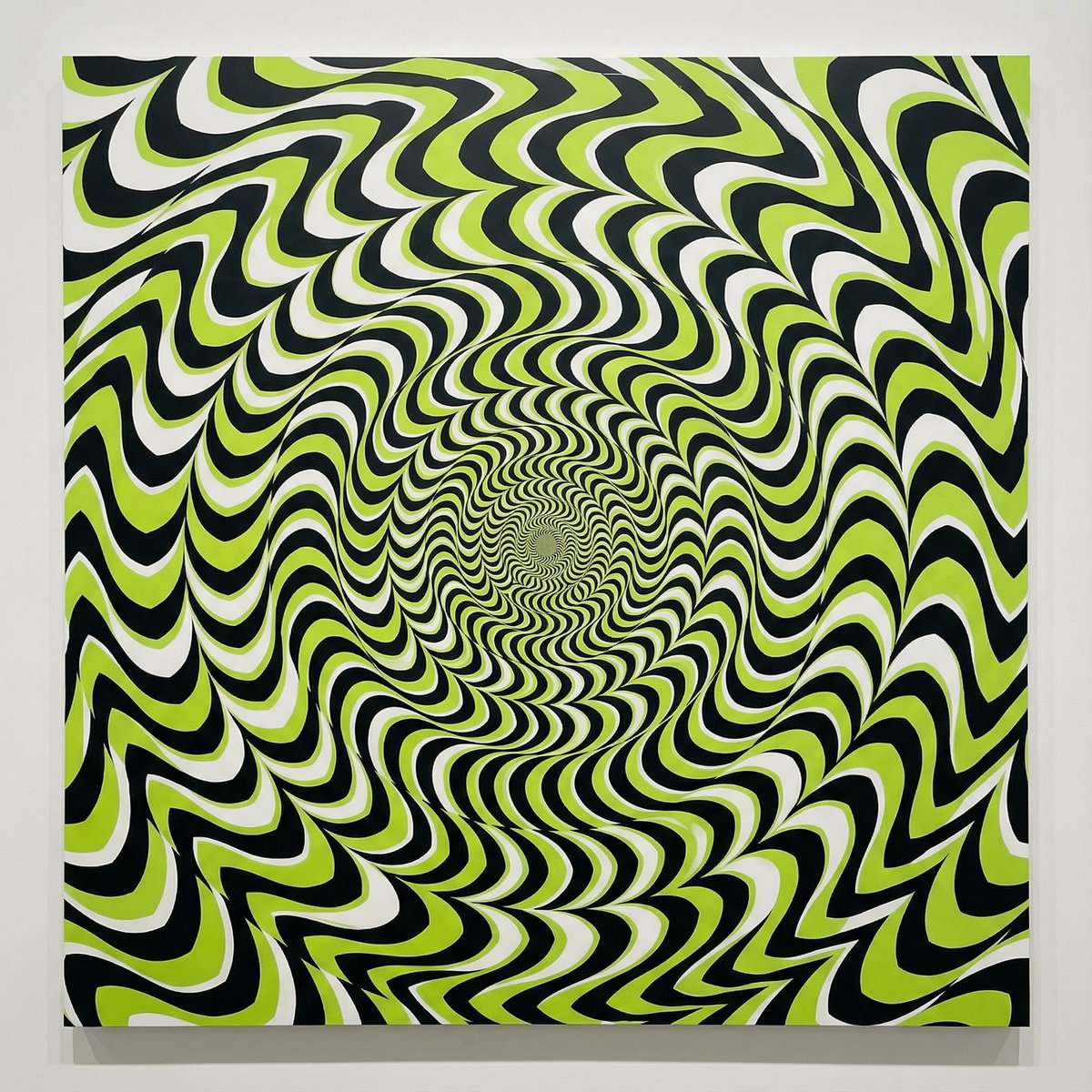
Create a dual-orientation optical illusion portrait. When viewed in normal upright position (0° orientation), the image must clearly reveal a young woman’s left-facing side profile. When the image is rotated 180 degrees (phone flipped upside down), the same composition must reveal an elderly woman’s side profile. Both identities must share the exact same contour structure and occupy identical spatial boundaries. No separate drawings, no split screen, no overlay. The transformation must occur purely through contour reinterpretation and structural ambiguity. Design the contour so that: The young woman’s chin becomes the elderly woman’s nose when rotated. The young woman’s ear becomes the elderly woman’s eye socket. The young woman’s neckline becomes the elderly woman’s mouth and chin structure. Apply a Moiré interference surface using ultra-thin radial or dual-frequency line patterns across the entire composition. The interference pattern must enhance depth without breaking the dual-orientation illusion. Strict monochrome palette. Black background (#000000) with white or light gray line structures only. No color. No gradients except those created by line density. No blur. No texture noise. Ultra-precise vector alignment. High contrast. Clean silhouette edges. 8K ultra-high resolution. Aspect ratio 4:5. The illusion must be readable in both orientations.
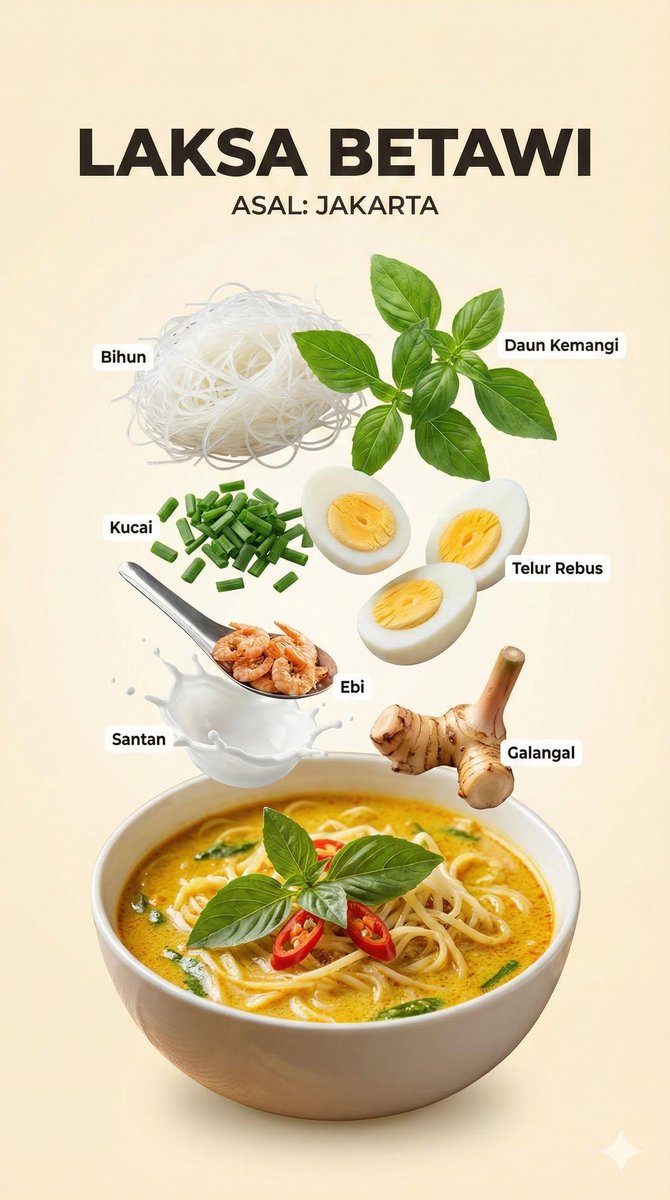
{ "image_prompt": { "type": "Ultra-realistic Indonesian traditional food infographic poster", "layout_and_composition": { "orientation": "Vertical composition", "style": "Modern culinary infographic design, editorial layout", "background": "Dramatic but clean background" }, "typography_elements": { "headline": { "position": "Top", "style": "Bold text showing dish name and origin (ASAL)" }, "labels": { "style": "Clean Indonesian typography", "connectors": "Curved label arrows pointing to ingredients" } }, "visual_content": { "main_action": "Cinematic floating ingredients suspended in mid-air", "details": [ "Glossy curry splash", "Fresh herbs", "Spices", "Steam rising from the bowl" ], "textures": "Hyper-detailed, glossy, appetizing" }, "lighting_and_atmosphere": { "lighting_style": "Rich golden lighting, studio lighting", "mood": "Professional, appetizing, high-end" }, "technical_specs": { "quality": "8K ultra-realistic, DSLR quality", "focus": "Shallow depth of field", "style": "Professional food photography" } } }
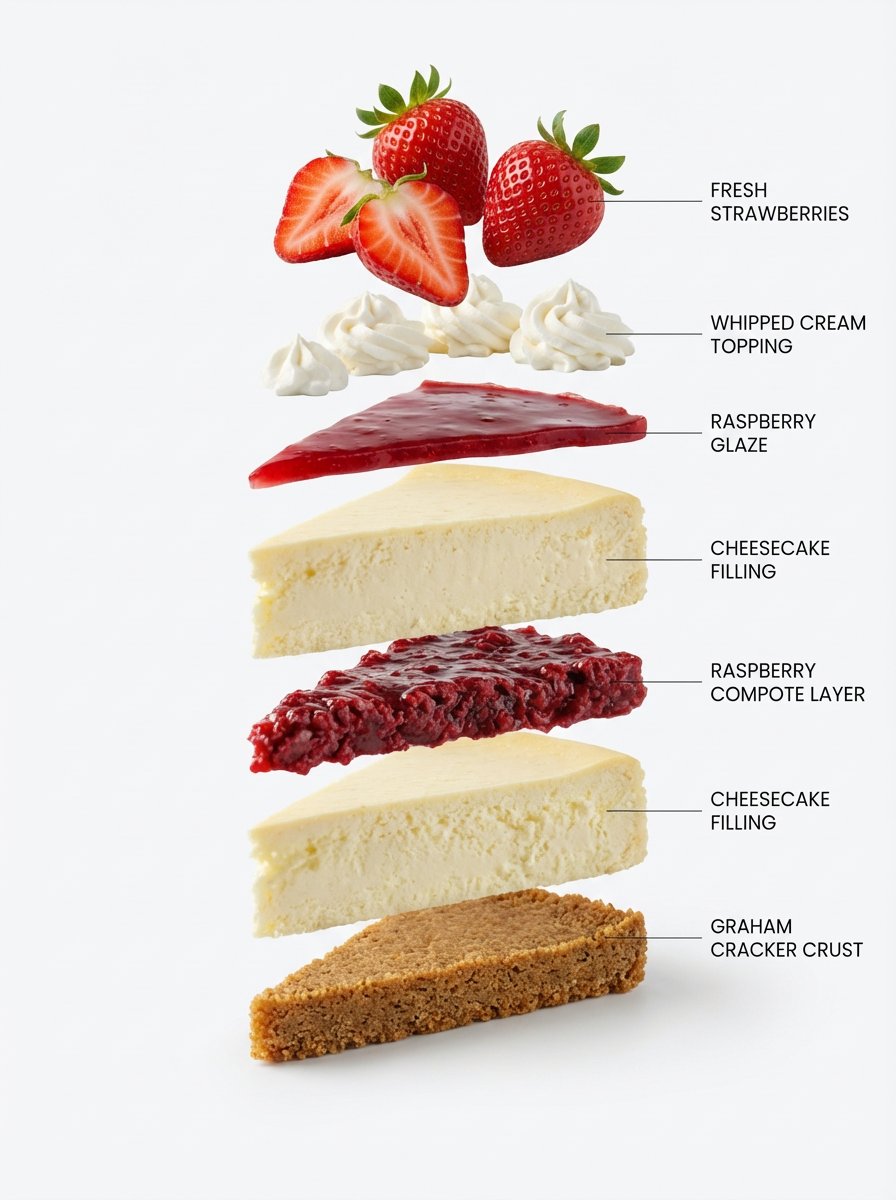
Using the first image as the base, create a clean exploded-view structural cutaway. Separate each ingredient vertically one by one, keep perfect alignment, spacing, and scale. White studio background, labeled diagram style, ultra sharp, realistic.

You are a professional persona designer. Based on the following information, please design a detailed persona. **Target Audience:** {argument name="target audience" default="Women in their 30s, living in the city center, working at an IT company"} **Objective:** {argument name="objective" default="Developing a marketing strategy for a new beauty serum"} **Elements to include in the persona:** 1. Basic information (Name, Age, Occupation, Residence, Family structure) 2. Personality and Values 3. Lifestyle (Daily routine, Hobbies, Information sources) 4. Challenges and Needs (Beauty concerns, Desired solutions) 5. Goals and Motivation 6. Purchasing behavior (Points of emphasis, Budget range, Purchase channels) 7. Touchpoints with the service/product (Usage scenarios, Expected effects) **Output format:** - Use appropriate headings for an easily readable structure. - Include specific descriptions that could be used for a persona image.
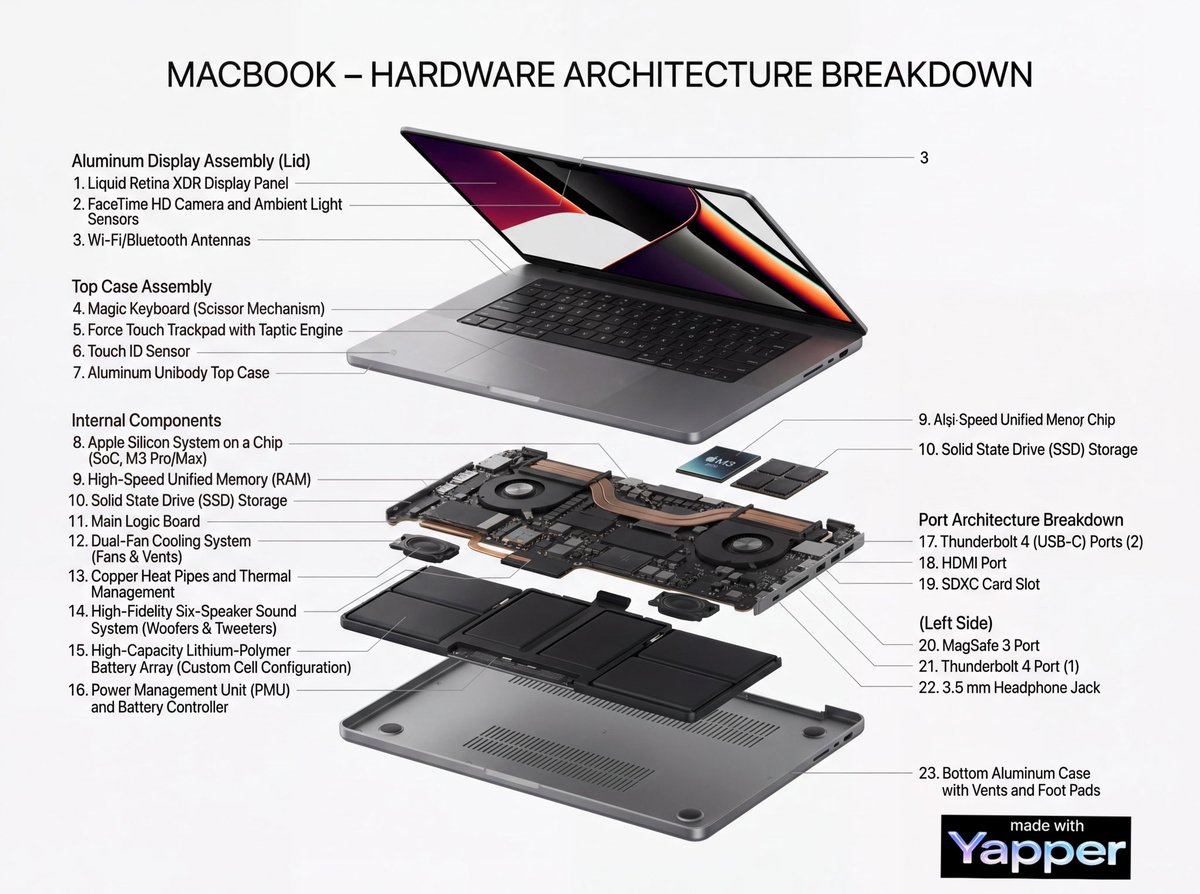
Create a high-resolution professional infographic of [{argument name="object name" default="OBJECT NAME"}]. Display the object in a clean, semi-realistic technical illustration style. Include both external structure and internal components using a cutaway view, cross-section, or exploded layout where appropriate. Automatically detect and label all major structural, mechanical, electronic, or functional components using accurate technical terminology. Use thin leader lines connecting each label precisely to the correct part. Ensure labels are clear, readable, and professionally formatted. Add a bold headline at the top: “OBJECT NAME – Complete Structural Breakdown” Layout should be balanced and organized like a modern engineering manual or product teardown poster. Background: clean white or light neutral tone. Lighting: neutral studio lighting with soft shadows for depth. Materials and textures must look realistic and detailed. Use modern sans-serif typography with clear hierarchy (bold headings, smaller technical labels). Ultra-detailed, sharp focus, 4K resolution, professional educational infographic style. No artistic distortion, no clutter, no decorative elements unrelated to structure.
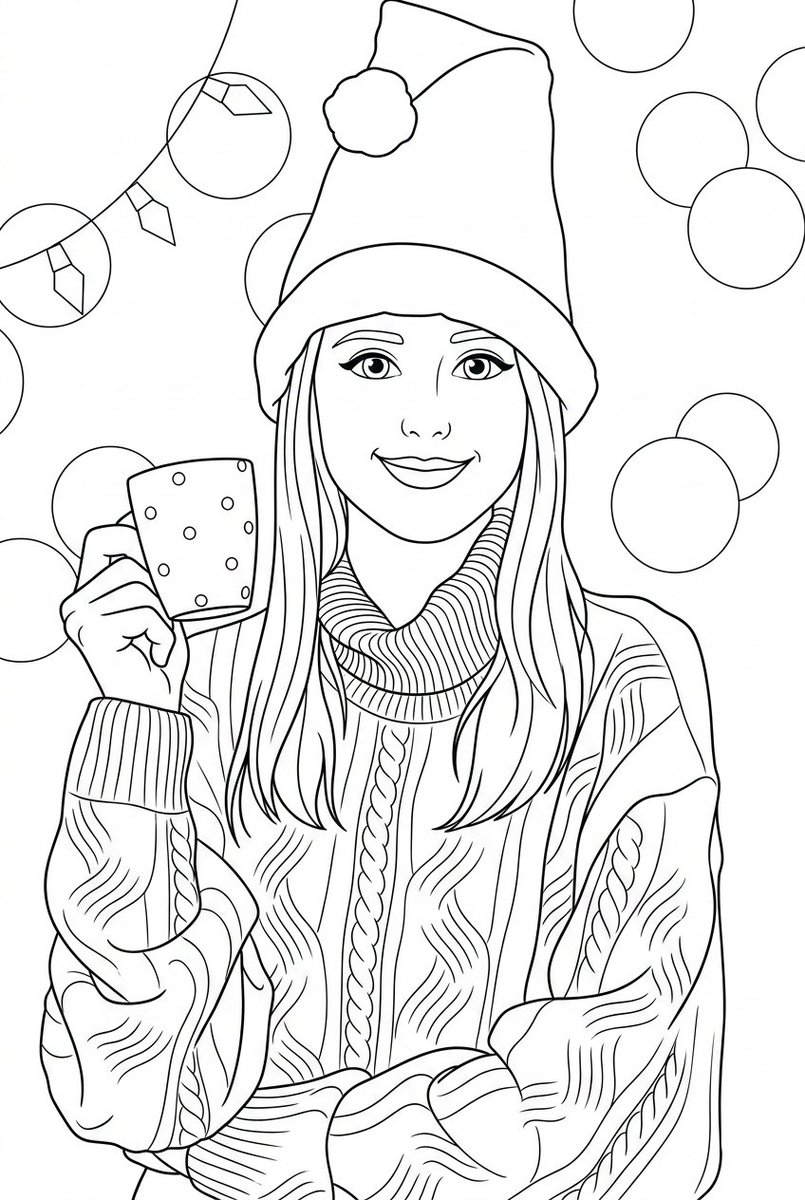
Convert the provided photo into a black and white coloring page. Preserve the original composition, proportions, and recognizable facial features from the original photo. Style: children's illustration with a soft cartoonish look, inspired by Pixar aesthetics, but simplified for coloring. Lines: clean, smooth, medium-thickness outlines, clear closed shapes, no broken lines, no sketchiness. Shading: no gray colors, no shadows, no gradients — outlines only. Details: simplified but accurate, preserving the recognizability of key objects and expressions, removing unnecessary background. Faces: expressive, friendly, slightly rounded features, kid-friendly, maintaining likeness. Background: simplified interior or environmental elements, minimalistic yet readable. Composition: centered, balanced, with comfortable margins for printing. Technical requirements: – clean black lines on a white background – high contrast – printable A4 / US Letter format – suitable for coloring with pencils or markers No color, no textures, no realism, no photo effects, no hatching, no cross-hatching.
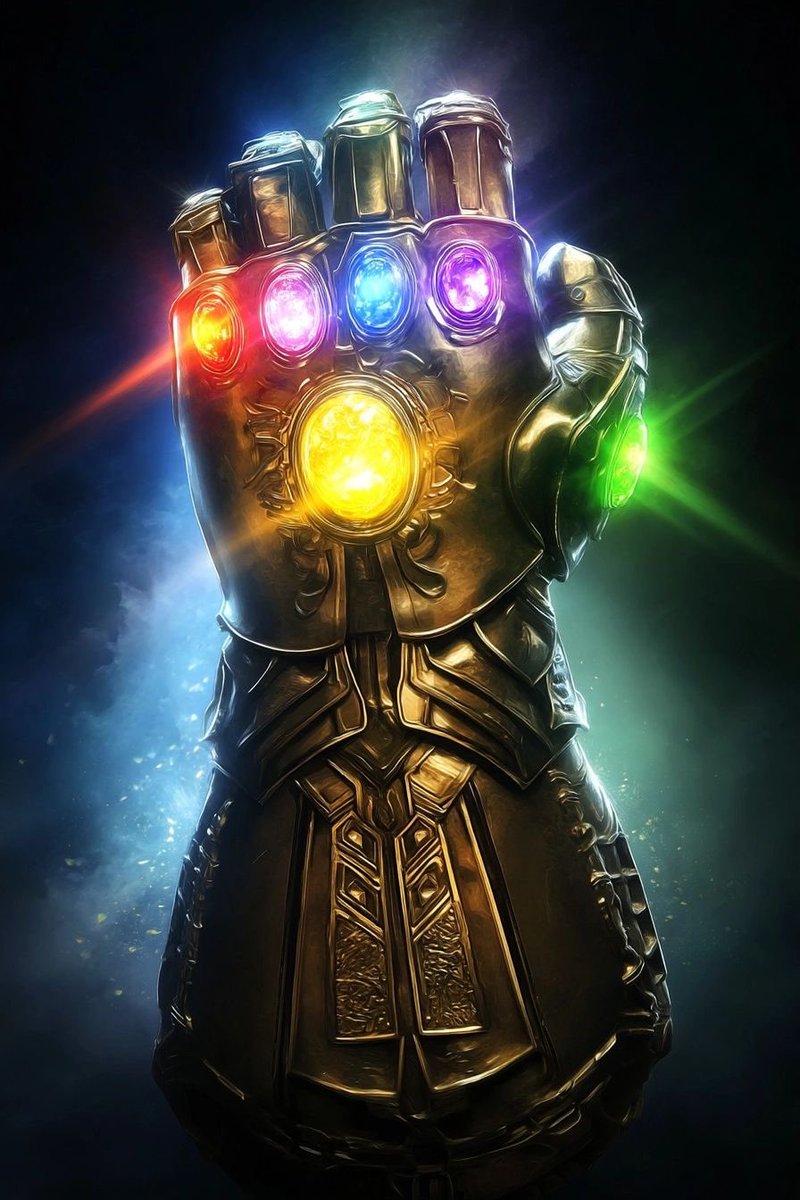
“Analyze the uploaded reference image to understand the mechanical structure and geometry of the object. Generate a comprehensive, industrial-level blueprint of this specific product. Present the design as a professional orthographic projection, featuring clear plan, elevation, and section views to detail the internal and external construction. Deconstruct the assembly into its primary components and apply legible, technical text labels (denominations) for each part using a standardized sans-serif engineering font. Render the visual in a classic blueprint aesthetic with precise white vector-style lines on a deep blue grid background, ensuring high contrast and professional accuracy suitable for manufacturing documentation.”
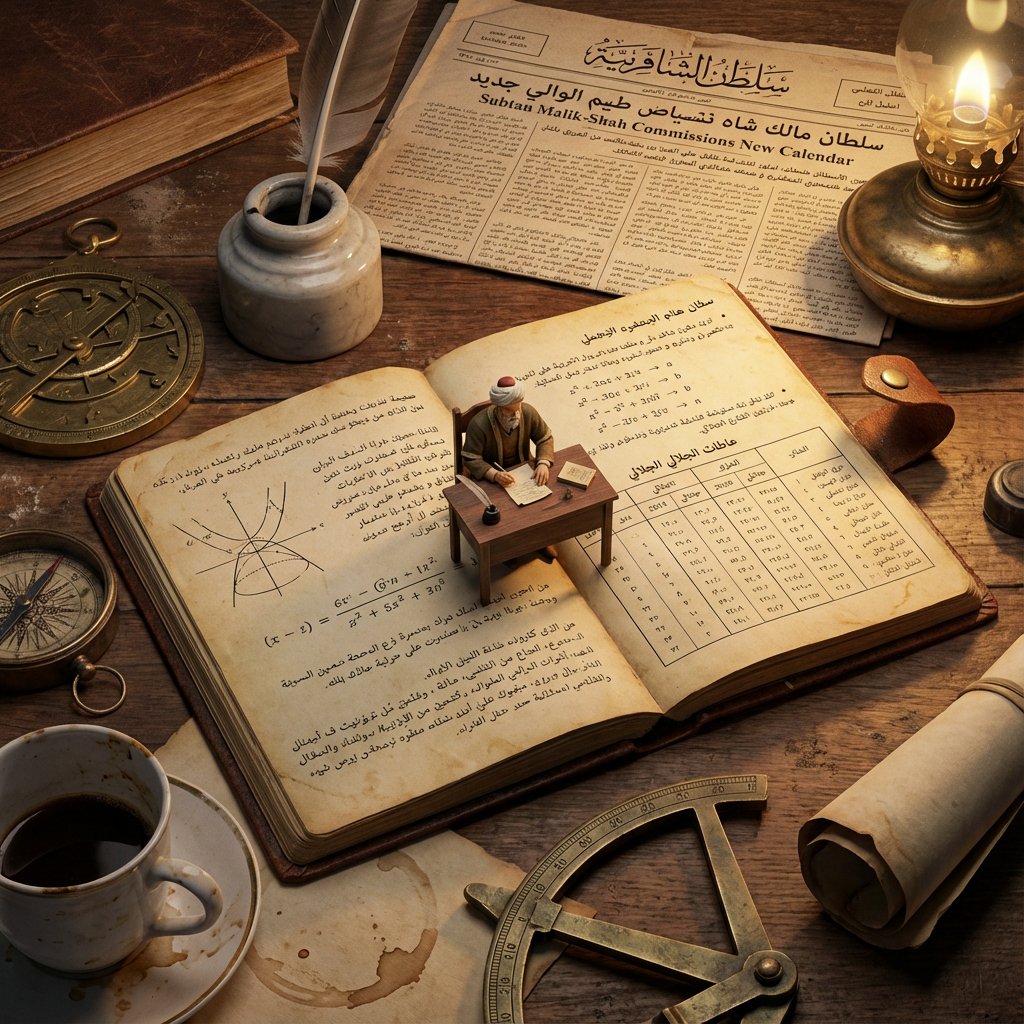
Analyze: Determine the scientist responsible, the specific era, and the visual diagrams associated with the theory. Goal: A Macro Diorama on a Laboratory Bench. A messy, highly detailed flat-lay of a historical workspace that serves as a giant landscape for a living miniature version of the scientist. Centerpiece: An open, antique notebook lying flat. The pages must be visible and filled with specific handwritten equations and diagrams relevant to the Input Theory. Sitting directly on top of these open pages is a tiny, hyper-realistic figurine of the scientist sitting at a proportionally tiny wooden desk, working on the very notes beneath him. Surroundings: The environment is cluttered with giant-scale period-accurate objects that relate to the scientist's work. This includes a newspaper from the era acting as a backdrop, a giant coffee mug leaving stains, and massive scientific tools relevant to the theory (such as compasses, lenses, or pocket watches) scattered like terrain. Perspective: Slightly angled 45-degree macro shot looking down at the notebook. Texture: Wood grain, scratched metal, paper texture, dust particles. Lighting: Warm, late-night library lamp lighting creating a spotlight on the tiny scientist and deep shadows behind the giant props. Output: one image, 4:5 aspect ratio, photorealistic historical macro photography.
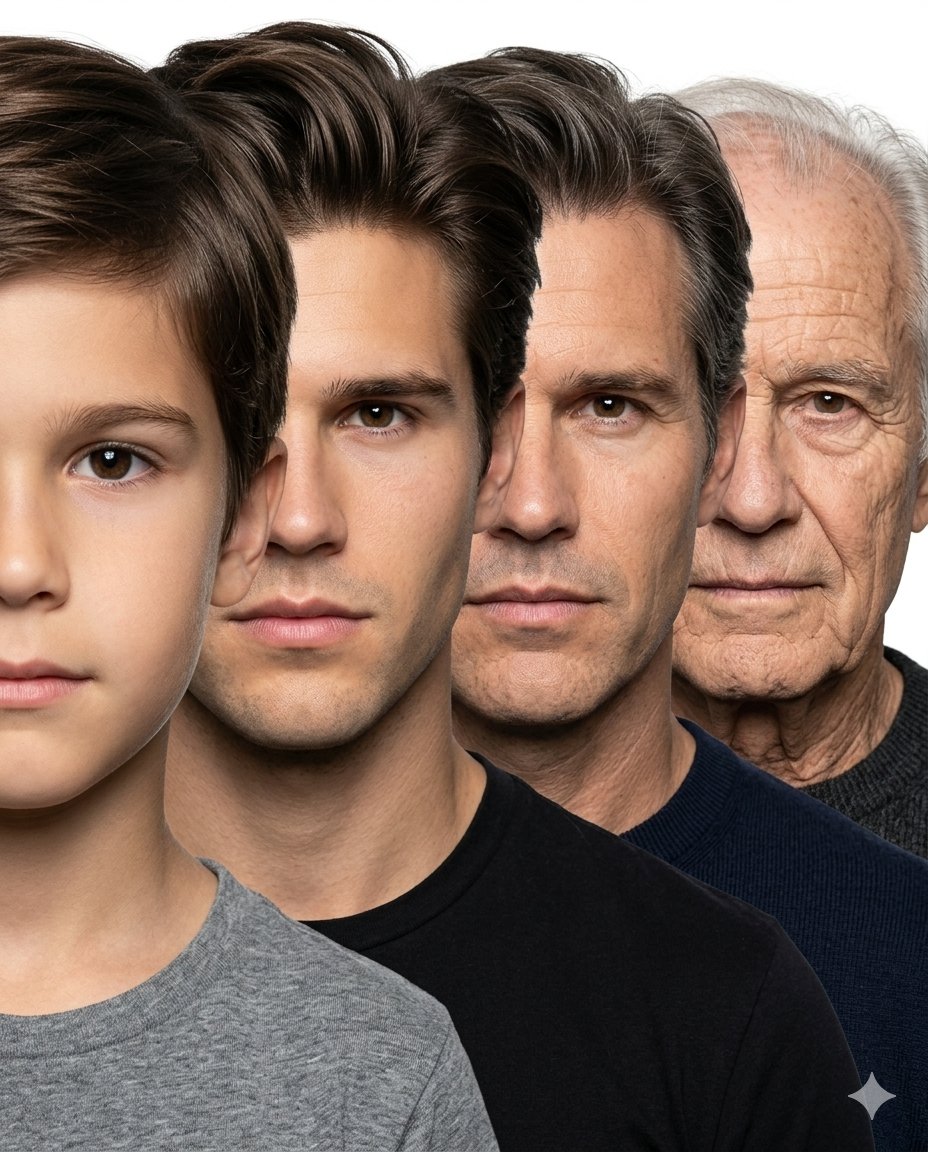
Create a hyper-realistic age progression portrait sequence of the same male individual across {argument name="stages" default="4 major life stages: child (age 6), young adult (age 25), middle-aged man (age 45), and elderly man (age 75+)"}. Use the attached child’s face as the exact identity reference for the youngest stage and ensure every age stage looks like the exact same person naturally aging over time, preserving identical facial structure, nose shape, eye color, jawline, skin tone, eyebrow structure, lips, and facial proportions consistently across all ages. Arrange all four faces in a tightly compressed overlapping side-stacked composition exactly like a professional photographic age progression lineup. Each face should be front-facing, tightly cropped, and positioned slightly behind the previous one from front to back, creating a smooth layered progression from youngest to oldest. Maintain nearly equal face scale across all stages with minimal perspective distortion. Faces should overlap naturally and remain very close together with clean simple spacing, similar to a studio portrait stacking composition. No geometric panels, no cinematic scene composition, no excessive depth effect, no dramatic perspective. Pure white seamless studio background, soft neutral studio lighting, realistic skin texture, natural aging details, plain neutral clothing, ultra photo-realistic, highly detailed, sharp focus, professional portrait photography, seamless identity consistency across all ages. No corp. Aspect ratio 4:5, no text, no logo.
部分提示词收录自 X 平台创作者,版权归原作者所有。