Kenerate AI

提示词库

AI 提示词库

汇集全球创作者的精选图像、视频与建站提示词。复制任意一条,替换主体或风格,即可用最新模型生成。

15,630 条提示词 · 每日更新 · 完全免费

共 599 条

Coloring book line art prompt for Nano Banana Pro

Coloring book line art prompt for Nano Banana Pro

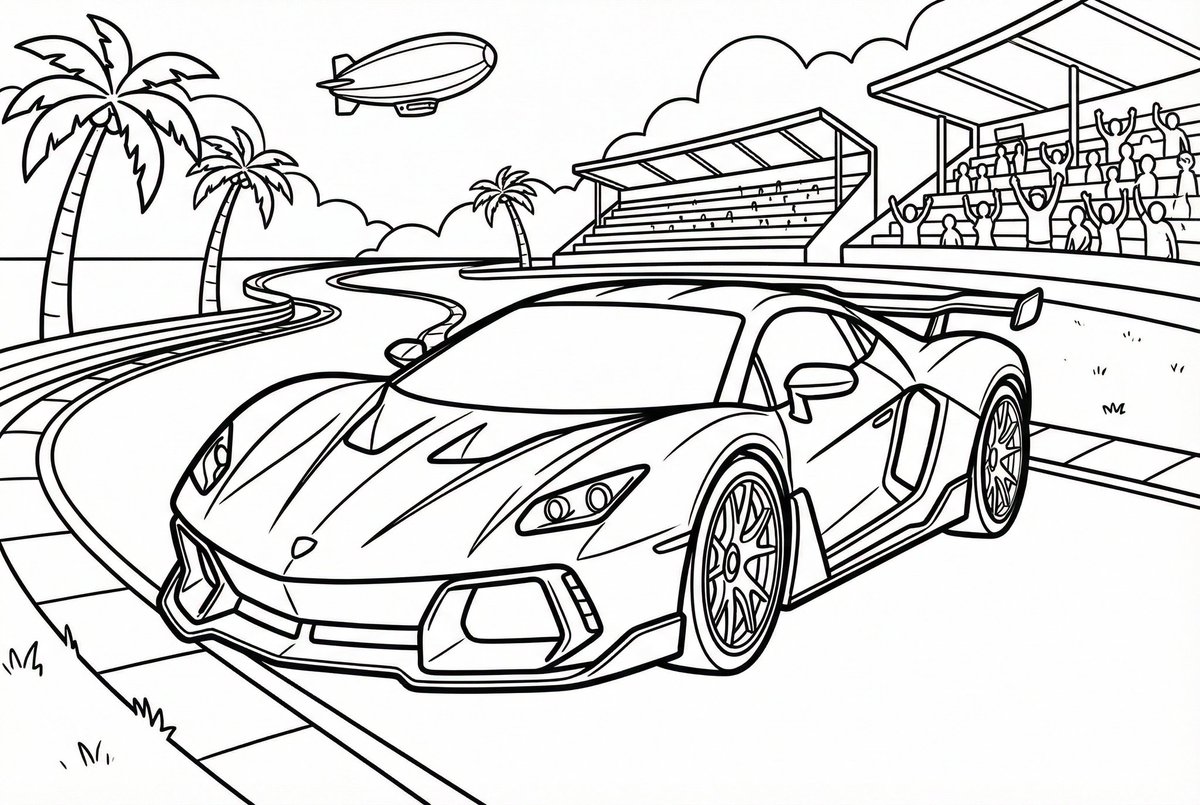
Create line art for a coloring page. The target age is {argument name="target age" default="9"} years old, and the coloring subject is {argument name="coloring subject" default="a sports car"}. Draw everything with black lines and keep the background completely white (#ffffff). Make it in a format suitable for printing, and do not draw any extra elements outside the canvas.

Accurate Academic Diagram Generation Prompt

Accurate Academic Diagram Generation Prompt

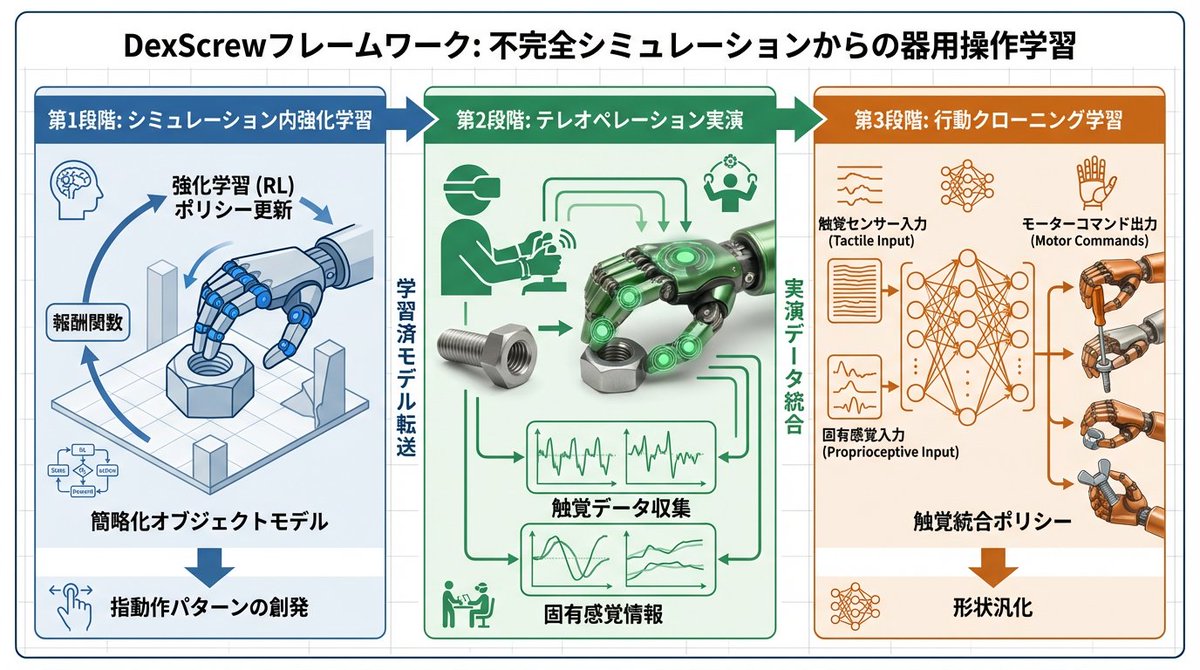
To facilitate easy understanding of the paper, use Nano Banana Pro to generate diagrams based on the paper. Place the diagrams in the appropriate locations within the explanatory document. All text within the diagrams should be written in Japanese. Translation of specialized terminology should prioritize accuracy and use academic language.

Renaissance Anatomical Study of a Flamingo

Renaissance Anatomical Study of a Flamingo

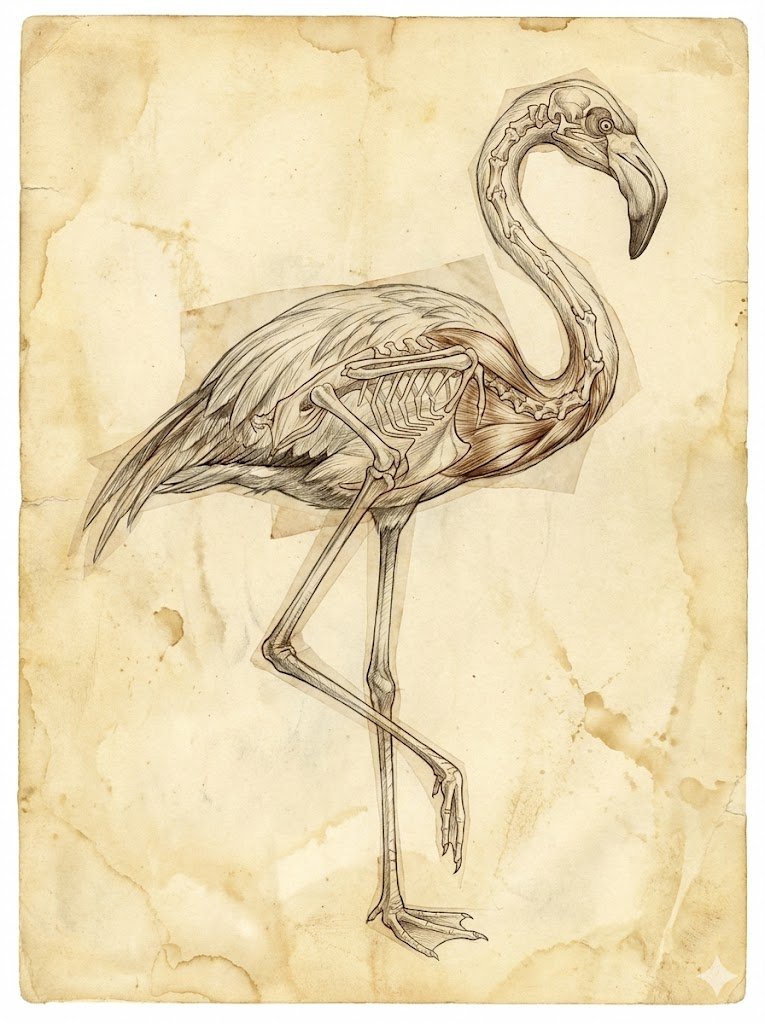
Composition: {argument name="subject" default="flamingo, standing on 1 leg"} Art style: A Renaissance anatomical study - illustrated with fine graphite and ink cross-hatching - layered with transparent tissue overlays showing bone and muscle - on yellowing/ greying parchment paper Avoid: - Do not draw the subject twice - *only once* - Do not skip some body parts - be complete - No text at all Aspect ratio: 3:4

High-Contrast Thermal X-Ray Render of Android Robot

High-Contrast Thermal X-Ray Render of Android Robot

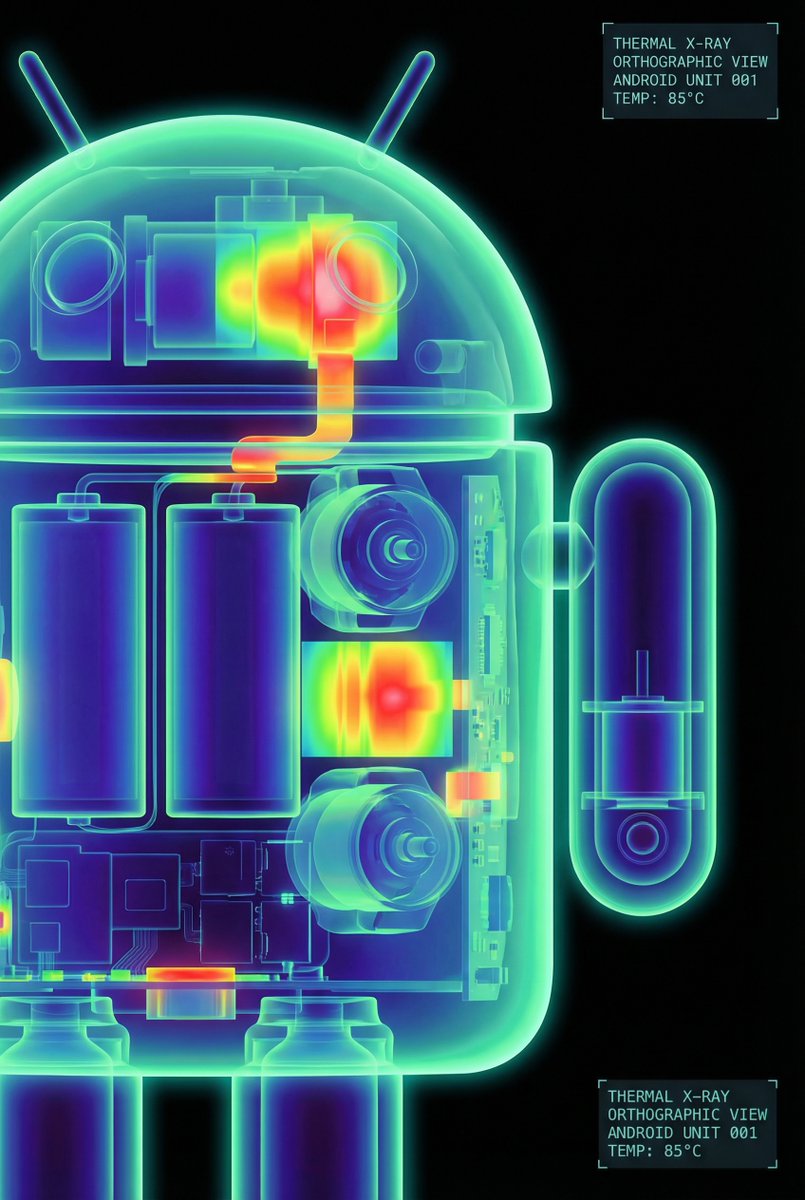
The Google Android robot, presented in a high-contrast scientific studio render against a pure black void. This tight right-side profile features a false-color thermal X-ray aesthetic, where the transparent shell reveals a sharply detailed internal architecture of batteries, drivers, and sensors using a vibrant heatmap gradient. The colors shift from deep cool blues to intense yellows and red highlights, creating a futuristic, clinical look with orthographic perspective and a soft, neon-like glow.

Seed to Shelf Diorama Flowchart Prompt

Seed to Shelf Diorama Flowchart Prompt

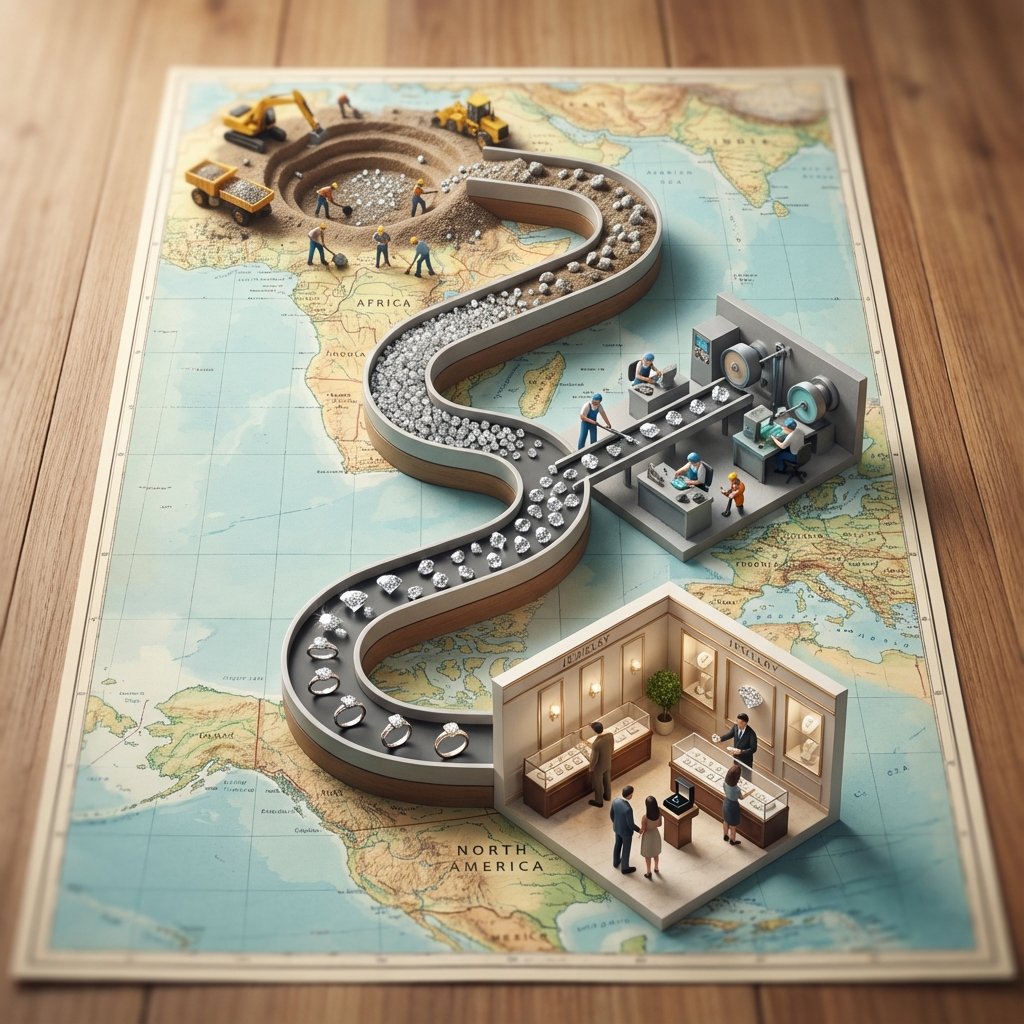
<instruction> 1. Analyze Input Variable: Input A is a Global Commodity with a distinct production lifecycle (e.g., Coffee, Chocolate/Cocoa, Wine, Denim/Cotton). Deconstruct the lifecycle into 3 Distinct Stages : Stage 1 (The Origin): The agricultural source (e.g., Coffee Plantation, Cacao Trees). Stage 2 (The Process): The industrial transformation (e.g., Roasting Plant, Fermentation Vats). Stage 3 (The Destination): The retail experience (e.g., A Hipster Cafe, A Chocolatier Shop). 2. Container (The Map Table): Goal: A "Seed to Shelf" Flowchart Diorama. The Base: A large, vintage World Map (blue oceans, pastel continents) laid flat on a wooden dining table. The Spine: A raised, winding S-Shaped Chute/Conveyor snakes through the center of the image, physically connecting the three stages. The Flow: The chute is filled with the product, which visually transforms as it moves down the path (e.g., Red Coffee Cherries at the top → → Brown Roasted Beans in the middle → → Fine Ground Powder at the bottom). 3. The Vignettes (The Stations): Construct a 3D diorama "Island" at each key point of the S-curve: Top Station (Origin): A square patch of terrain sitting on the map (e.g., South America). Detailed crops, trees, and farmers harvesting the raw material. Middle Station (Process): A compact industrial facility sitting on the map (e.g., Europe/USA). Metallic roasters, silos, smoke stacks, and factory workers. Bottom Station (Destination): An architectural Cutaway Box. The front wall is removed to reveal the interior of a shop (e.g., Espresso machines, tiny customers sitting at tables, baristas serving). 4. The Narrative Scale (The Workers): Scale: 1:87 (HO Scale) miniature figures. Action: The figures are not just standing; they are actively moving the product from the "Station" into the "Chute" (e.g., Farmers dumping baskets of cherries into the stream, Factory workers shoveling beans). 5. Lighting & Atmosphere: Camera Angle: High-Angle Perspective (45-60 degrees). Looking down the length of the table. Lighting: Natural Daylight. Bright, cheerful, and even. Shadows fall softly on the map. Depth of Field: Tilt-Shift effect. The top and bottom edges of the table are slightly blurred to make the models look tiny. Output: ONE image, Vertical Aspect Ratio (4:5), Miniature Photography, Educational Diorama aesthetic. </instruction>

Ultra-Realistic Exploded Pizza Infographic and Motion Prompt

Ultra-Realistic Exploded Pizza Infographic and Motion Prompt

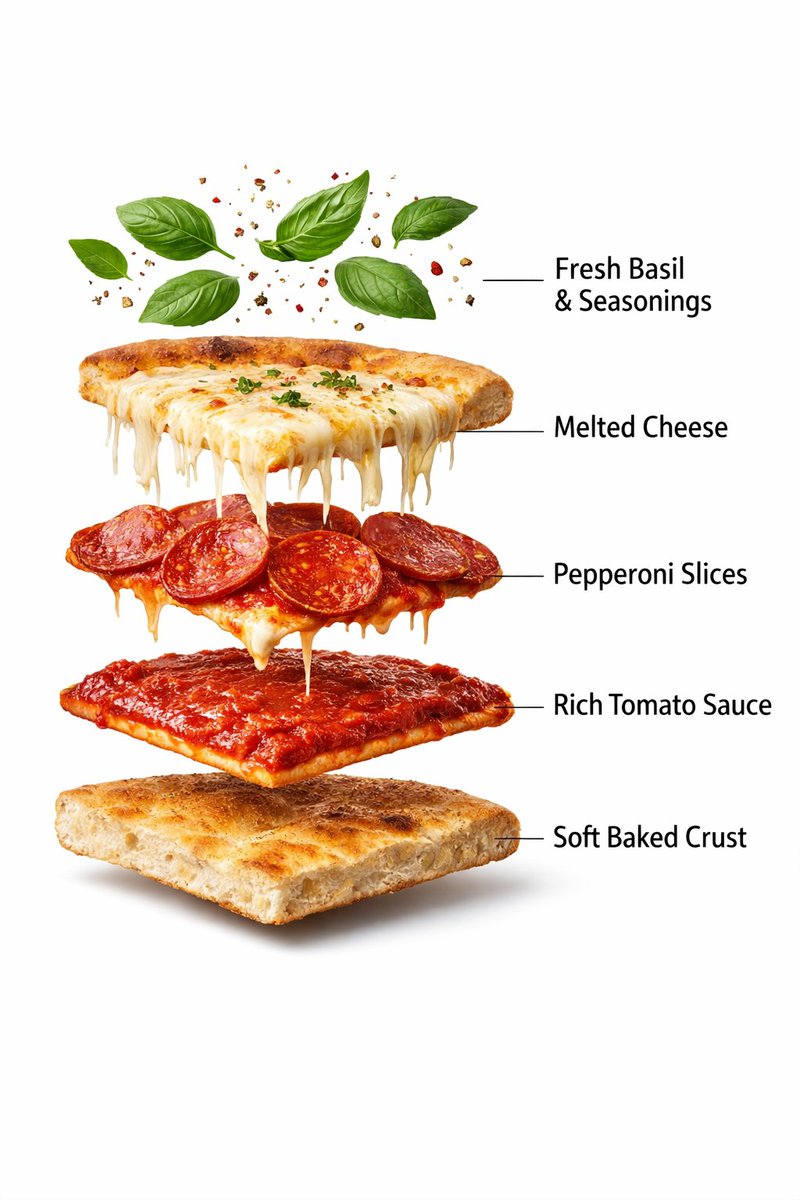
Motion Prompt: The Pizza start to round spin while ingredients separate gently and precisely, maintaining alignment and scale. The motion is smooth, with no extra effects. Image 1 :- Ultra-realistic prepared pepperoni pizza slice, fully assembled, gooey melted mozzarella cheese stretching and dripping over the edges, crispy pepperoni slices on top, rich tomato sauce beneath, thick golden baked crust, fresh basil leaves and light seasoning floating subtly above, clean pure white background, professional commercial food photography lighting, soft natural shadows under the slice, sharp focus, extreme texture detail, glossy cheese, crunchy crust surface, studio shot, minimal composition, no text, no labels, no hands, premium food advertisement style, 8K resolution, ultra-detailed, hyper-realistic. Image 2 :- Produce an ultra-realistic exploded pizza slice infographic. Top layer features basil leaves and seasoning particles floating. Below are melted cheese stretch, pepperoni slices, rich tomato sauce layer, soft baked crust base. Clean white background, professional food photography lighting, realistic textures, gentle shadows, floating layers evenly spaced, labeled infographic style, 8K resolution.

Expedition Planning Board Collage Prompt

Expedition Planning Board Collage Prompt

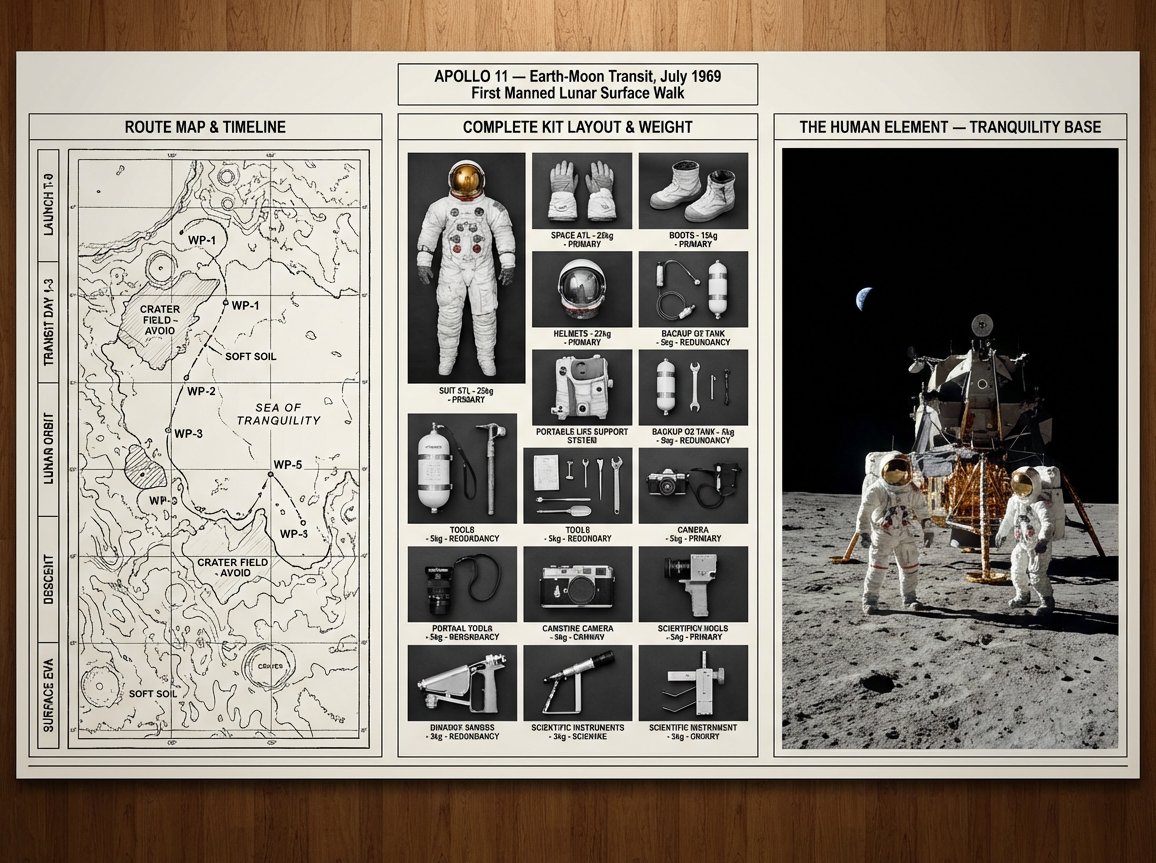
An expedition leader's planning board for {argument name="journey mission" default="[JOURNEY / MISSION]"} — {argument name="destination era" default="[DESTINATION / ERA]"}. Left section: route map with topographical detail, waypoints marked, danger zones annotated, and timeline running along the margin. Center section: complete kit layout, every piece of equipment photographed from above in organized rows, weight and function noted, redundancies highlighted, nothing extraneous. Right section: the expedition in progress or the destination achieved, figures in landscape, scale established, the human element against the immense. Visual style transitions from cartographic precision through utilitarian inventory to epic environmental photography. Title block reading "{argument name="expedition name" default="[EXPEDITION NAME]"} — [ROUTE], [DATE], [OBJECTIVE]".

Vintage Encyclopedia Infographic

Vintage Encyclopedia Infographic

A comprehensive scientific educational infographic for {argument name="subject" default="an Orchid Mantis"}. The style is a vintage nature field guide with a cream-colored parchment background. The layout features a large, detailed central illustration of the creature with anatomical labels (e.g., 'Raptorial Legs', 'Petal-like Flanges'). Surrounding the center are various boxed sections including: a 'Quick Profile' with scientific name and habitat, a 'Classification' tree, a 'Knowledge Score' with star ratings, 'Life Cycle' diagrams showing egg to adult, and a 'Size Comparison' against a human hand. Include a 'Diet' section with small illustrations of prey, a 'Habitat' section with photos of rainforests, and a bottom 'Did You Know?' banner. The aesthetic is clean, professional, and highly detailed, resembling a high-end museum poster.

Ancient Egyptian Profile Portrait

Ancient Egyptian Profile Portrait

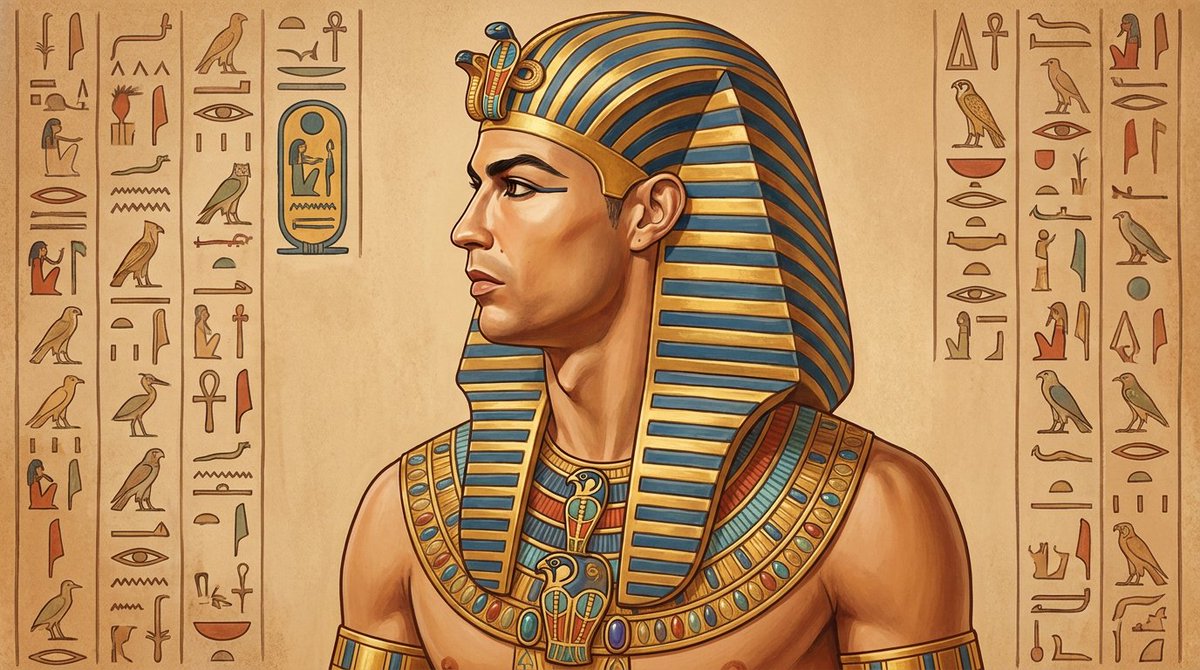
Ancient Egyptian profile portrait of the person in the reference image, side-facing pose (strict profile view), inspired by {argument name="style source" default="traditional tomb paintings"}, {argument name="features" default="almond-shaped eye, elongated eyeliner, sharp nose and chin"}, wearing a {argument name="headwear" default="nemes headdress"} and ornate gold jewelry, flat perspective, stylized proportions, warm sandstone and gold color palette, hieroglyphic background, smooth matte texture, soft even lighting, highly detailed, clean lines, 4k, museum-quality artwork

Photorealistic 3D Floor Plan Render with Furniture

Photorealistic 3D Floor Plan Render with Furniture

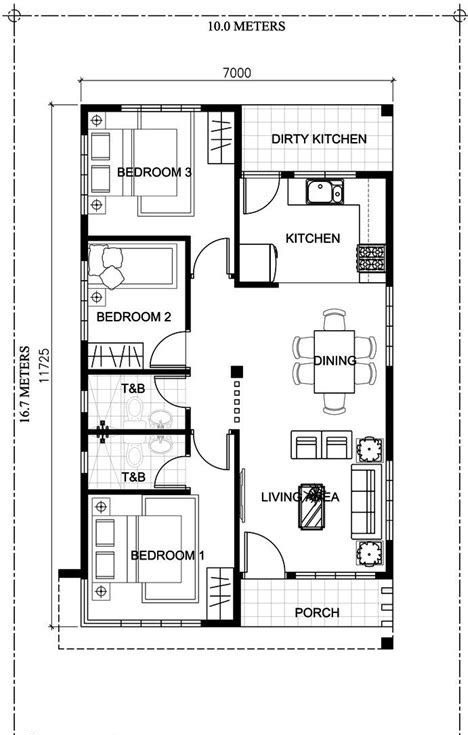
Use the uploaded image as reference, Create photorealistic 3D render of the entire floor plan, seen from afar, to the render, with furniture inside, Keep the exact same rooms at their location, with the right equipment, but remove the text from the final image. High resolution, pro quality.

Turkish History Character Grid

Turkish History Character Grid

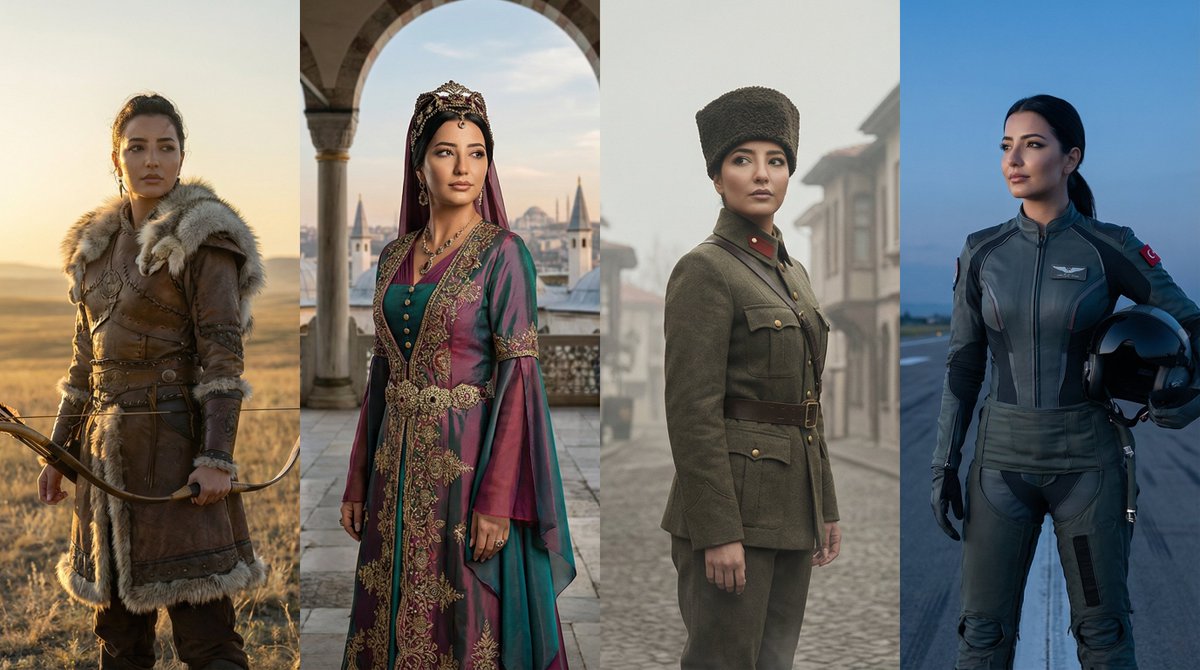
Create a dynamic grid image showing the same character represented across major eras of Turkish history. The image is divided into 4 vertical panels arranged in a clean, graphic grid. Panel 1 (Ancient Era): A Göktürk warrior on the Central Asian steppes, wearing leather armor with wolf fur details, holding a traditional recurve bow. Panel 2 (Imperial Era): An Ottoman figure in the classical era, wearing an intricate Kaftan and a turban or janissary crest, with Istanbul's silhouette in the background. Panel 3 (Independence Era): A 1923 Republic era officer or hero, wearing a traditional "Kalpak" hat and a vintage military wool uniform, representing the War of Independence. Panel 4 (Modern Era): A confident modern-day character or futuristic pilot (Kızıl Elma style), representing the future of Türkiye. Each panel shows the exact same character identity (same face structure and eyes) but adapted to the specific historical era, interacting subtly through poses and gazes looking at each other. Cinematic lighting, hyper-realistic, live action, 8k resolution, highly detailed textures. --ar 16:9

GDR Alternate History Car Design

GDR Alternate History Car Design

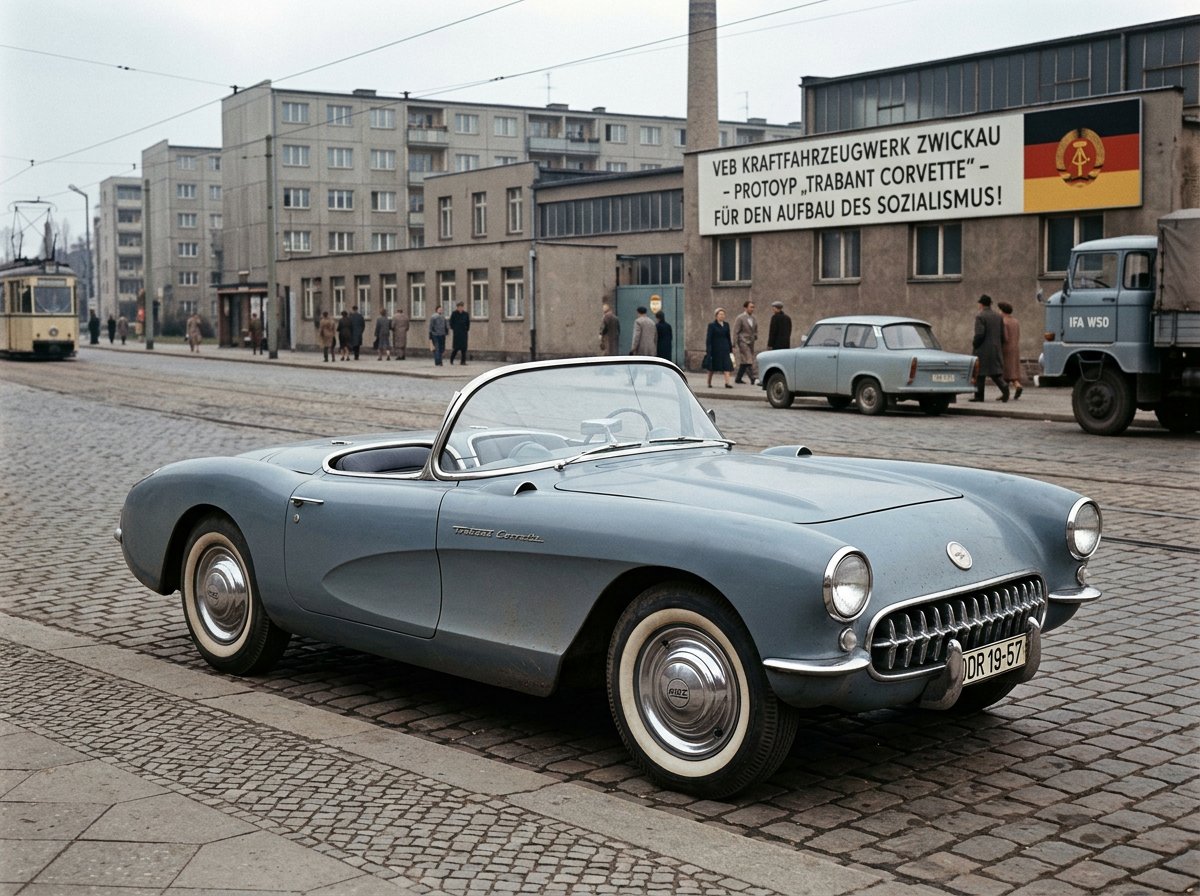
{argument name="car" default="Chevrolet Corvette"} designed in {argument name="location" default="East Germany"} by Trabant engineers in {argument name="era" default="1957"}, retro GDR automotive design, socialist industrial aesthetics, realistic alternate history

YouTube 缩略图 - 微缩立体书透视模型
Nano Banana Pro

YouTube 缩略图 - 微缩立体书透视模型

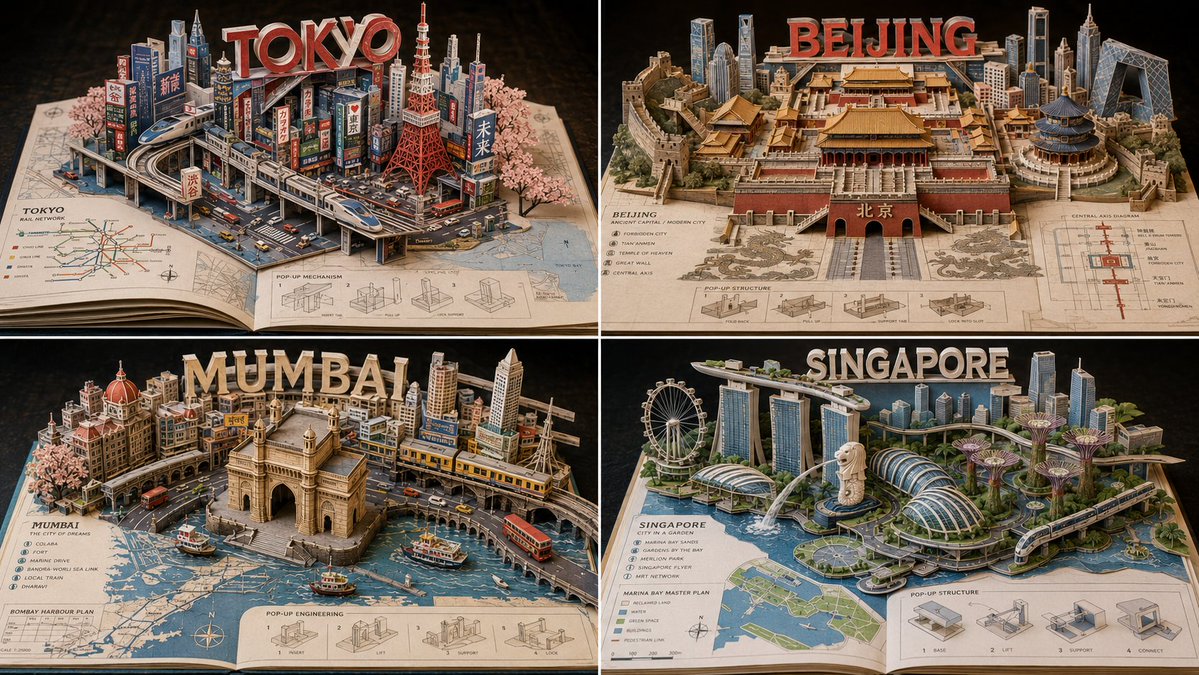
2x2 网格,16:9,针对 4 个重要的 {argument name="subject" default="亚洲城市"} 执行此操作:为 {argument name="subject" default="亚洲城市"} 生成一个逼真的微缩立体书透视模型。规则:- 自动推断 SUBJECT_DNA - 使用 BASE_DOCUMENT 作为物理基础 - 主体必须像纸艺 3D 世界一样从页面中升起 - 包含推断出的地标、建筑、地形、基础设施、文化元素和微缩比例提示 - 展示折叠平台、阶梯、插槽、铰链、支撑杆和隐藏的纸张机械结构 - 将主体名称或符号排版整合为凸起的纸质字母或结构形式 - 基础页面应包含与 {argument name="subject" default="亚洲城市"} 相关的推断地图、图表、蓝图或印刷内容 - 所有元素必须呈现出由纸张、卡纸、墨水、微缩模型材料和精密立体工程制作的质感 - 除非另有提供,否则不得硬编码特定的城市、地标、塔楼、寺庙、地图、颜色或文本

@Gadgetify
Retro 1970s Alphabet Graphic Design

Retro 1970s Alphabet Graphic Design

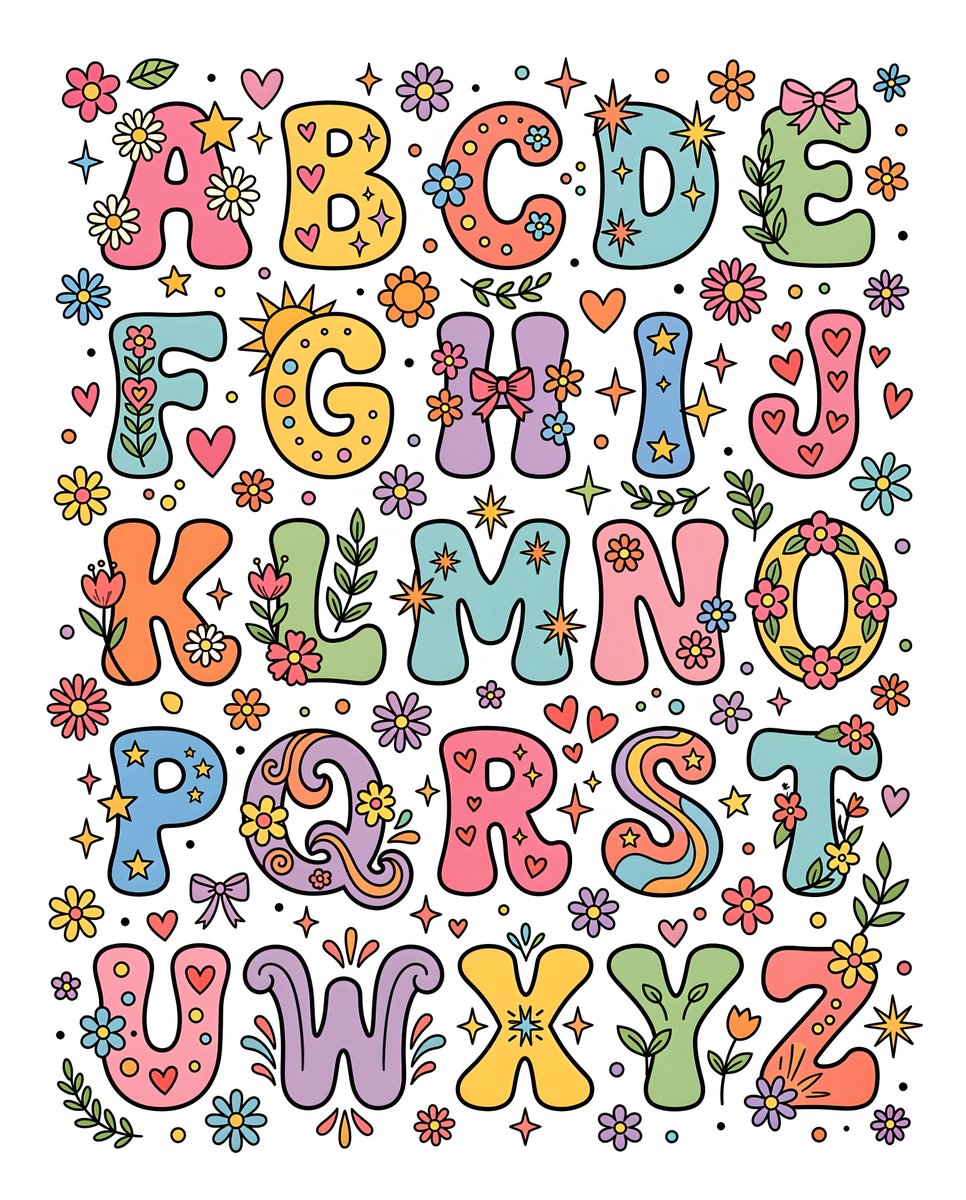
A collection of alphabet letters, {argument name="letters" default="A through Z"} and decorative elements are arranged in rows against a {argument name="background color" default="white background"}. The letters are in a playful, rounded font with thick black outlines and vibrant, pastel colors. Many of the letters are stylized with accompanying graphics: flowers, starbursts, hearts, bows, sparkles. There are also scattered floral and starburst elements throughout the composition. The overall style is reminiscent of {argument name="design era" default="1970s"} graphic design, with a cheerful and whimsical aesthetic.

Human Eye and Ear Sensory Infographic

Human Eye and Ear Sensory Infographic

These detailed {argument name="subject" default="infographics"} illustrate the complex sensory systems of the {argument name="target" default="human eye and human ear"}, highlighting their roles as the body's primary units for visual and auditory/vestibular processing. Both charts utilize a {argument name="layout" default="structured, clinical layout"} featuring anatomical diagrams, "Quick Profiles," and "Knowledge Scores" to break down biological functions like photoreception and sound detection. By juxtaposing the eye's delicate internal structures, such as the retina and lens, with the ear's intricate ossicles and cochlea, the images emphasize the sophisticated mechanical and neural pathways required for humans to navigate and perceive their environment.

Infographic/Diagram Generation Prompt for Nano Banana Pro

Infographic/Diagram Generation Prompt for Nano Banana Pro

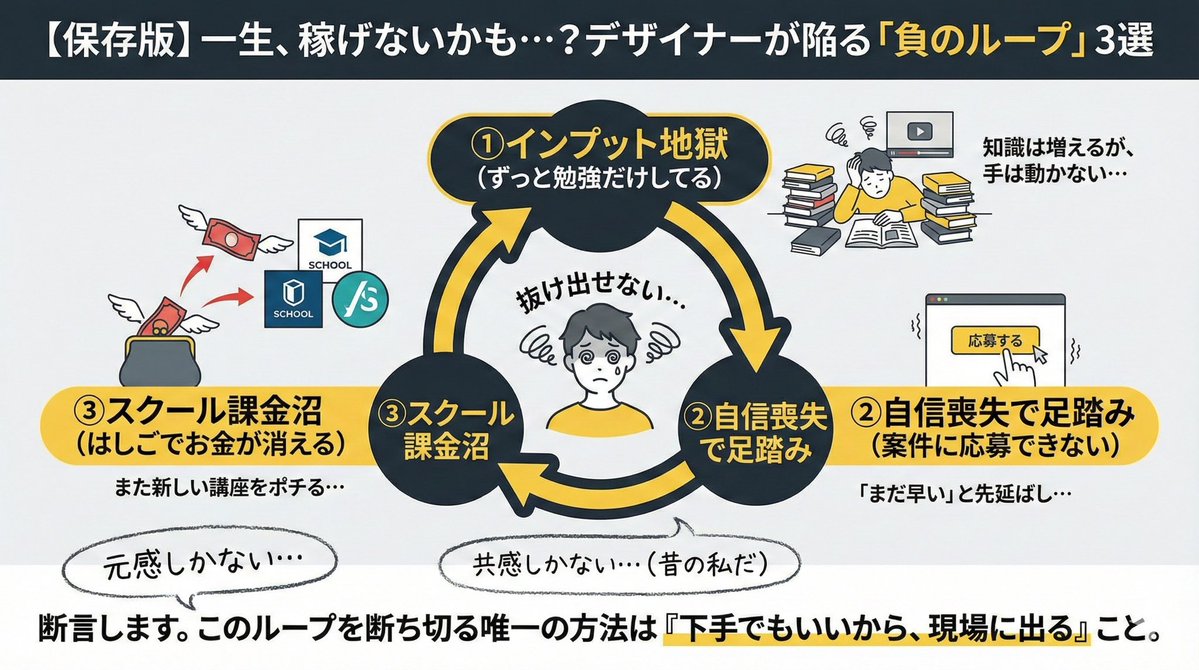
"Conditions to include in the diagram: ・Top 3 reasons why designers fail ① Always studying ② Lacking confidence to apply for projects ③ Spending too much money hopping between schools Create an image for an X post based on these conditions"

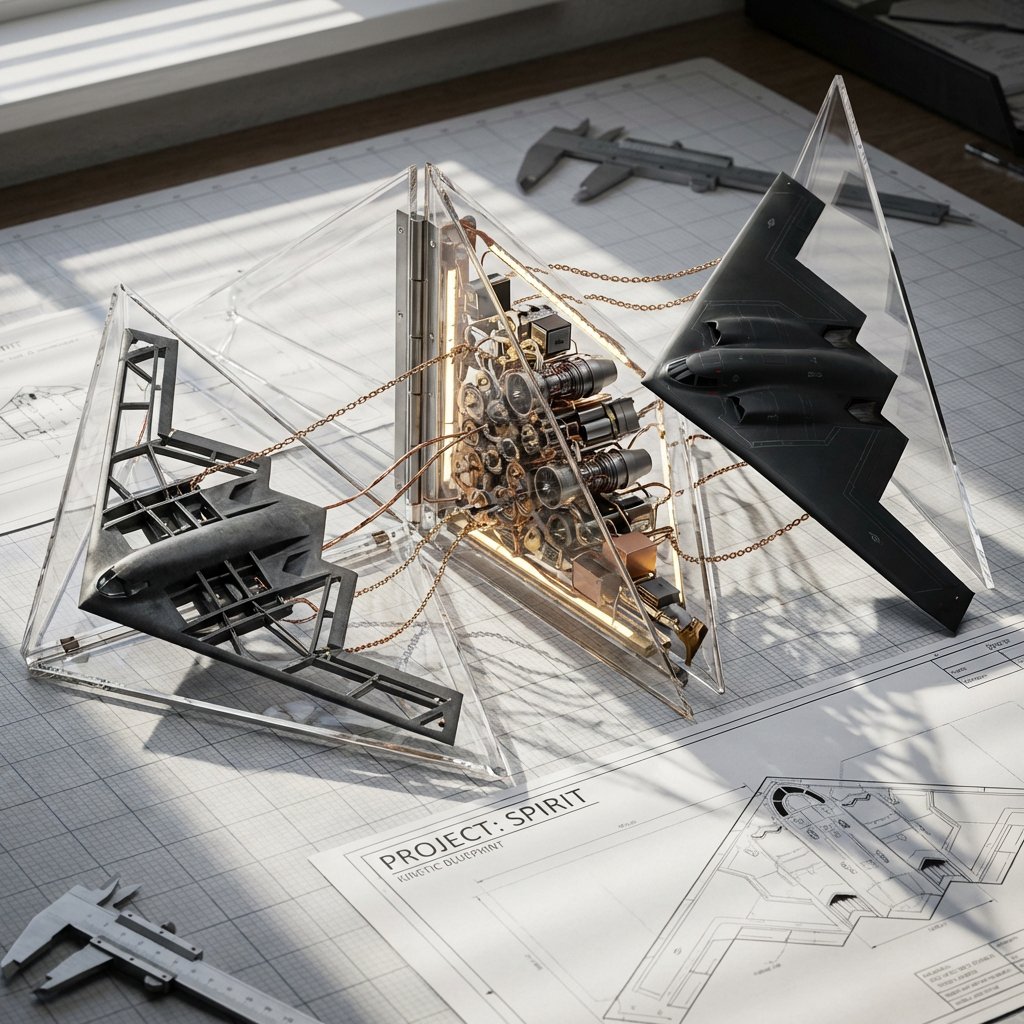
Complex Machine Deconstruction Blueprint Prompt

Complex Machine Deconstruction Blueprint Prompt

<instruction> Input A is a Complex Machine (e.g., {argument name="machine type" default="A Space Shuttle"}, A Grand Piano, A Clockwork Watch). Deconstruct into 3 Assembly Phases : Phase 1: Raw chassis/frame. Phase 2: Internal gears/wires. Phase 3: Finished exterior. 2. Container (The Geometric Unfold): Goal: "Kinetic Blueprint" Photography. The Object: A series of Triangular Acrylic Wedges attached to a central hinge, opening like a blooming flower or a tool-kit. The Layout: The wedges are partially unfolded across a drafting table surface. 3. The Dioramas (The Exploded View): Internal Content: Each wedge holds a different "Phase" of the machine. Visual Link: Real copper wires or brass chains physically cross the gaps between the acrylic wedges, "connecting" the assembly line. 4. Visual Background: A cluttered workshop desk with blueprints and calipers. Lighting: Hard side-lighting to cast shadows of the internal gears through the clear acrylic walls onto the table. Output: ONE image, 16:9 Aspect Ratio, 3D Macro Render, "Technical Art" aesthetic. </instruction>

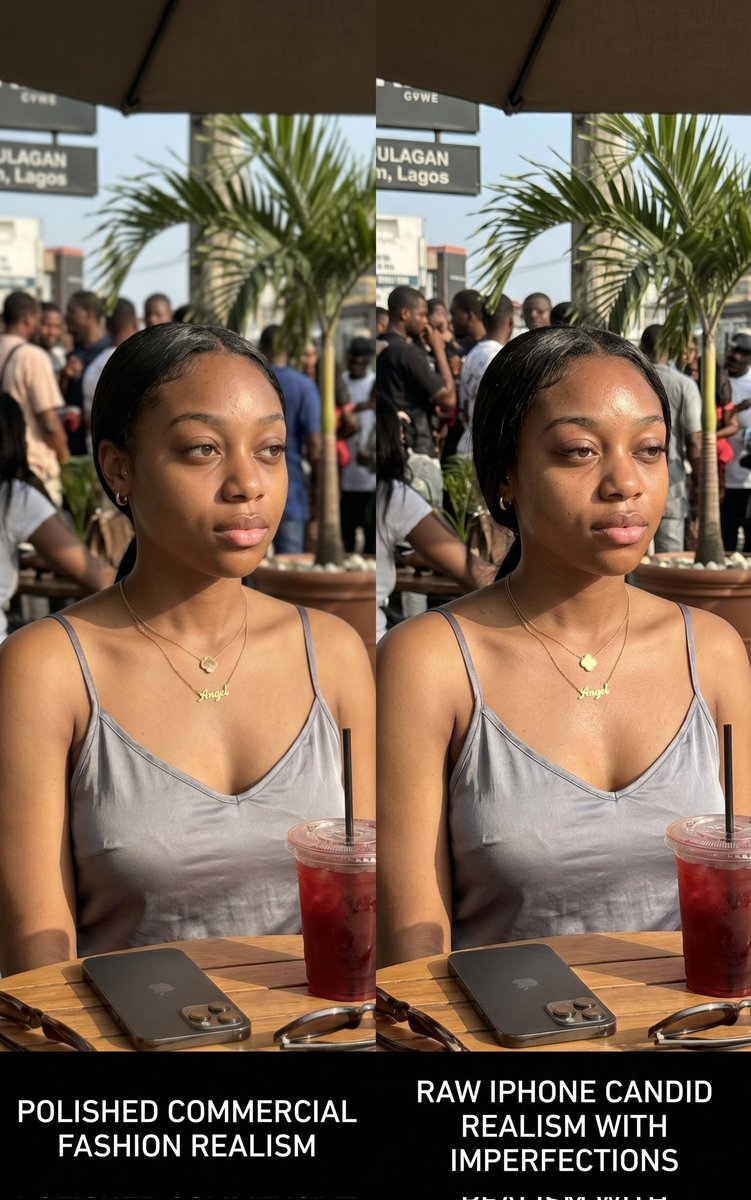
Lagos Cafe Realism Study

Lagos Cafe Realism Study

Side-by-side comparative AI-generated visual study showing two variations of the same {argument name="subject" default="African woman"} in {argument name="location" default="Lagos café environment"}. Both images simulate different generation styles: one highly polished commercial fashion realism, the other raw iPhone candid realism with imperfections. Subject wears {argument name="outfit" default="elegant neutral dress"}, gold jewelry, seated at outdoor restaurant table. Include iced drink, phone, sunglasses, and subtle background crowd blur. Lighting is bright afternoon sunlight with realistic exposure variation between both images. Skin detail must include pores, natural texture, slight blemishes, sweat shine. Composition intentionally tests realism perception for educational purposes in AI content creation. Designed to demonstrate prompt control differences, not character storytelling.

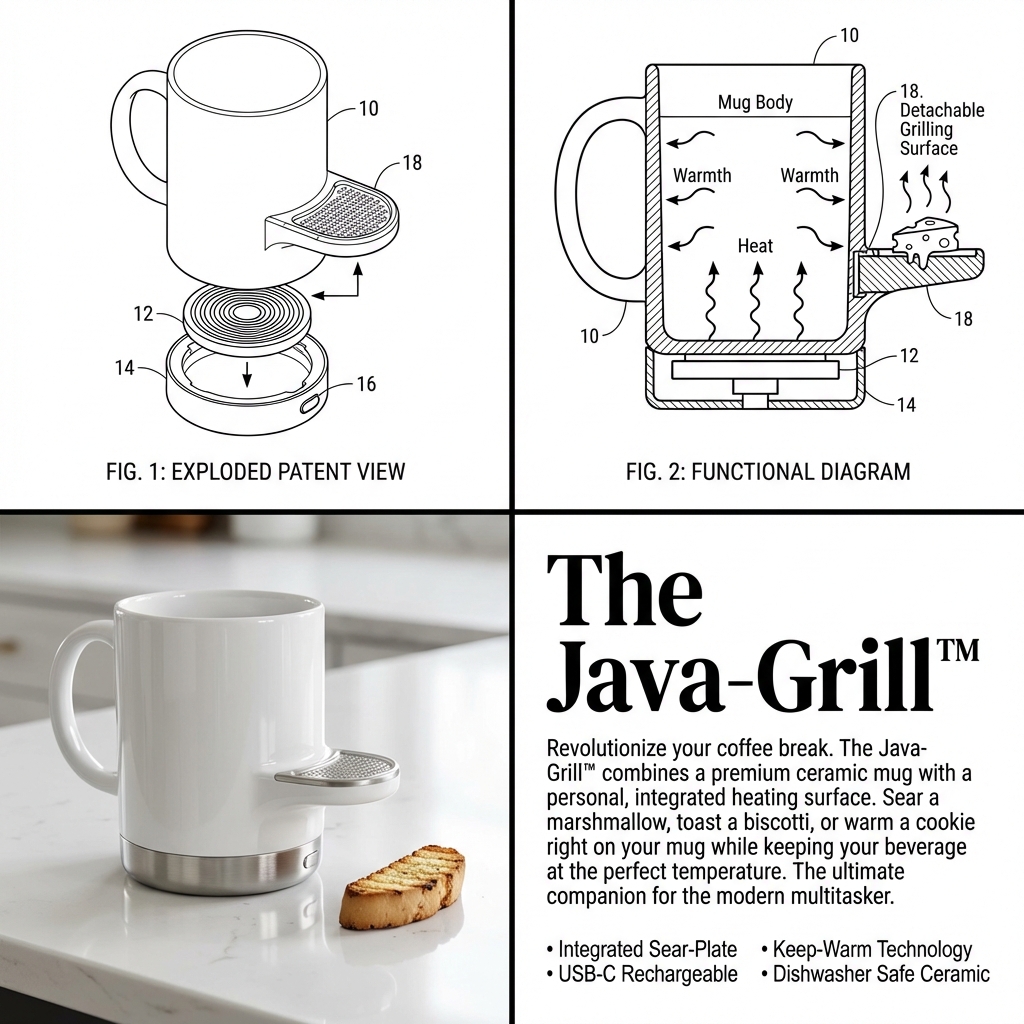
2x2 Grid Product Invention Visualization (Patent/Marketing)

2x2 Grid Product Invention Visualization (Patent/Marketing)

Input Variable: {argument name="input objects" default="[INSERT 1 or 2 OBJECTS]"} Instruction: Act as a Visionary Industrial Designer and Patent Clerk. Create a 2x2 Grid visualizing the invention of a new product based on the Input. Innovation Logic : Analyze Functions: Identify the primary utility of Input A and Input B. The Fusion: Combine them into a single, cohesive device that solves a specific (niche) problem. If 2 Inputs: Hybridize them (e.g., Mug + Grater = A self-cooling mug with a garnish shaver). If 1 Input: Evolve it (e.g., Toothbrush = A self-sanitizing, toothpaste-injecting smart wand). The Branding: Generate a catchy, corporate product name (e.g., "The Breeze-Grate™", "Solar-Brella Pro"). The Visual Structure (The 2x2 Grid): CRITICAL: The image must be split into 4 distinct quadrants with different visual styles. Panel 1 (Top Left): The Exploded Patent View Style: Black & White Technical Line Art. Thin distinct lines, no shading. Content: An isometric "Exploded View" of the device, showing the internal motor, battery, or mechanism separated from the shell. Detail: Add Numbered Leader Lines (10, 12, 14) pointing to specific parts. Panel 2 (Top Right): The Functional Diagram Style: Black & White Schematic with bold arrows. Content: A cross-section or "In-Use" drawing showing how how the device works. Use Action Arrows to show airflow, rotation, or liquid movement. Detail: Show the "Result" (e.g., cheese falling, water spraying). Panel 3 (Bottom Left): The Product Render Style: High-End Studio Photography. Color, Glossy, "Apple/Braun" Design Aesthetic. Content: The final physical product sitting on a white reflective surface. It should look sleek, using materials like White Ceramic, Brushed Aluminum, or Matte Plastic. Context: Include a small prop to show scale (e.g., a block of cheese, a coffee bean, a hand). Panel 4 (Bottom Right): The Marketing Pitch Style: Editorial Magazine Layout. White background, black text. Typography: Headline: Large, Bold Serif Text displaying the [Invention Name]. Body: A block of clean "Lorem Ipsum" or readable text describing the "Revolutionary Features." Bullets: A small list of specs (e.g., "Dishwasher Safe," "USB-C"). Visual Syntax: Cohesion: The product design in Panel 3 must perfectly match the line art in Panel 1. Design Language: Minimalist, Ergonomic, Consumer Electronics aesthetic. Even if the idea is silly, the design must look expensive. Output: 2x2 Grid, Mixed Media (Line Art vs. Photorealism), 8k Resolution, "Kickstarter Campaign" Aesthetic.

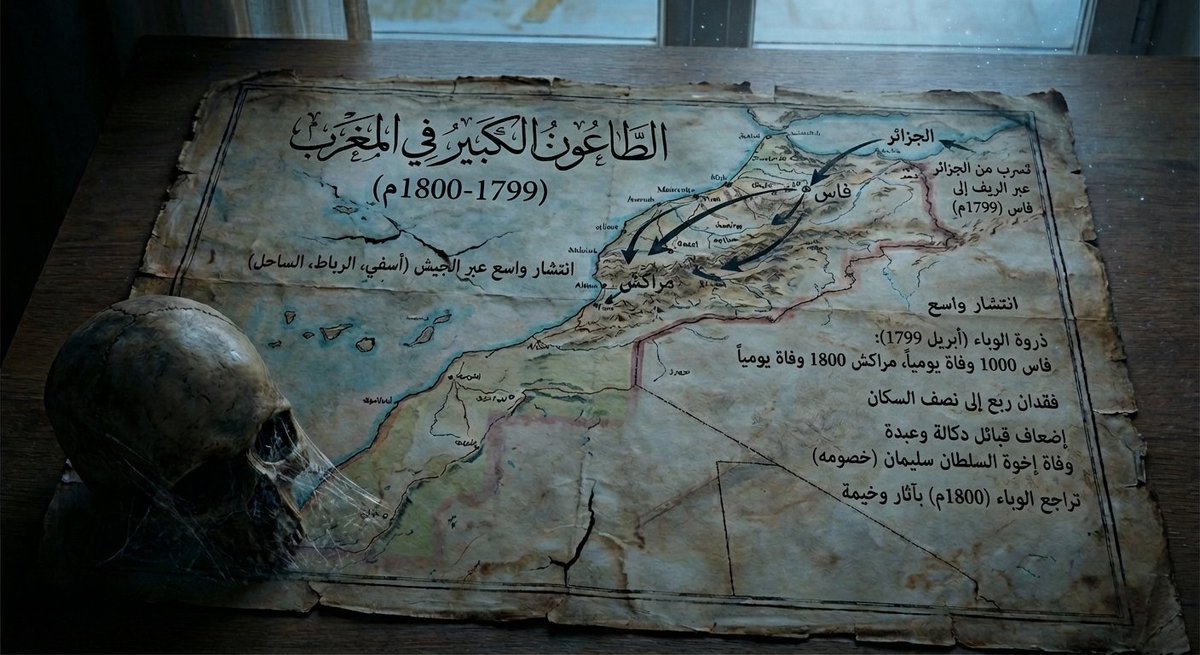
Map of Morocco in 1799–1800 with plague spread

Map of Morocco in 1799–1800 with plague spread

Give me a map of {argument name="region_en" default="Morocco"} in {argument name="period_en" default="1799–1800"}, showing how the plague spread at that time and its consequences, and make it a bit dark in tone.

部分提示词收录自 X 平台创作者,版权归原作者所有。