
Back to library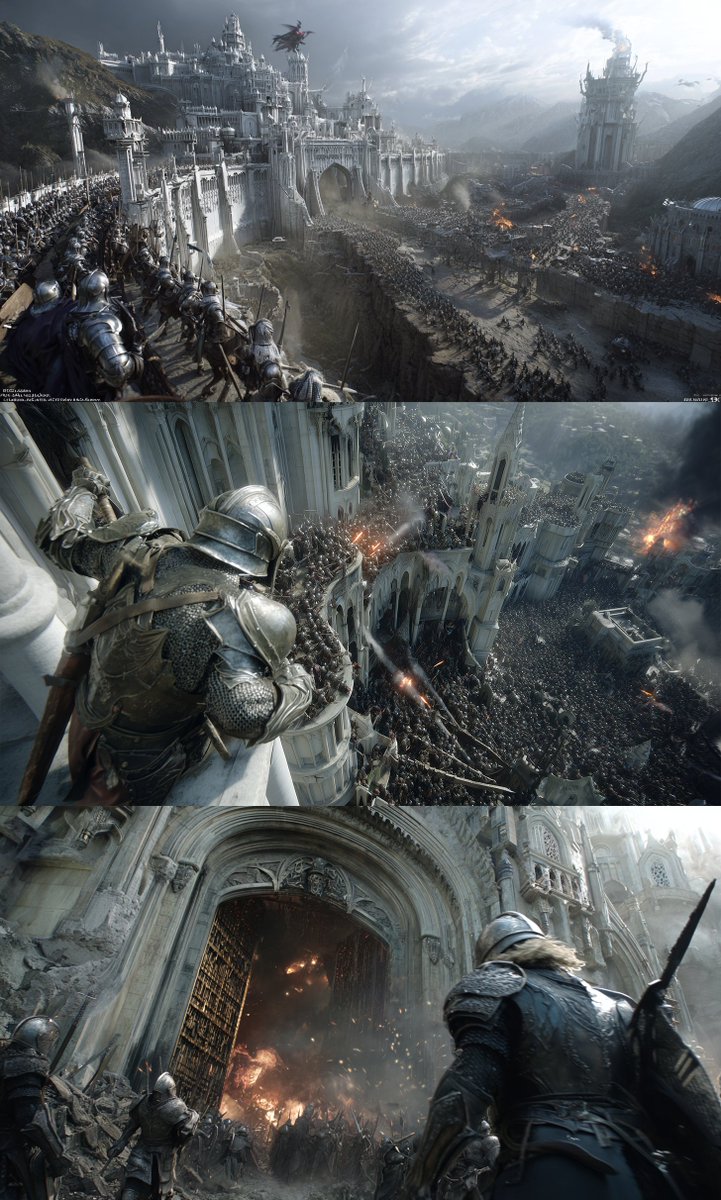

ImageNeeds reference image
Hyper-realistic cinematic conversion prompt for nano-banana-pro
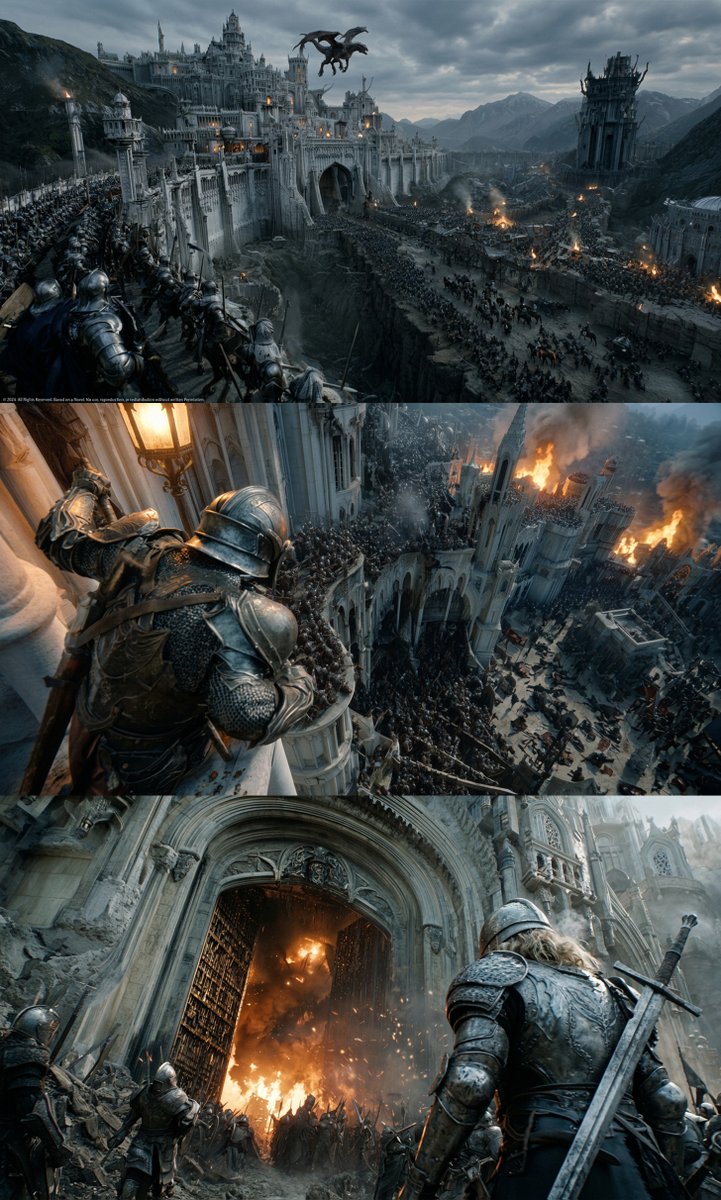
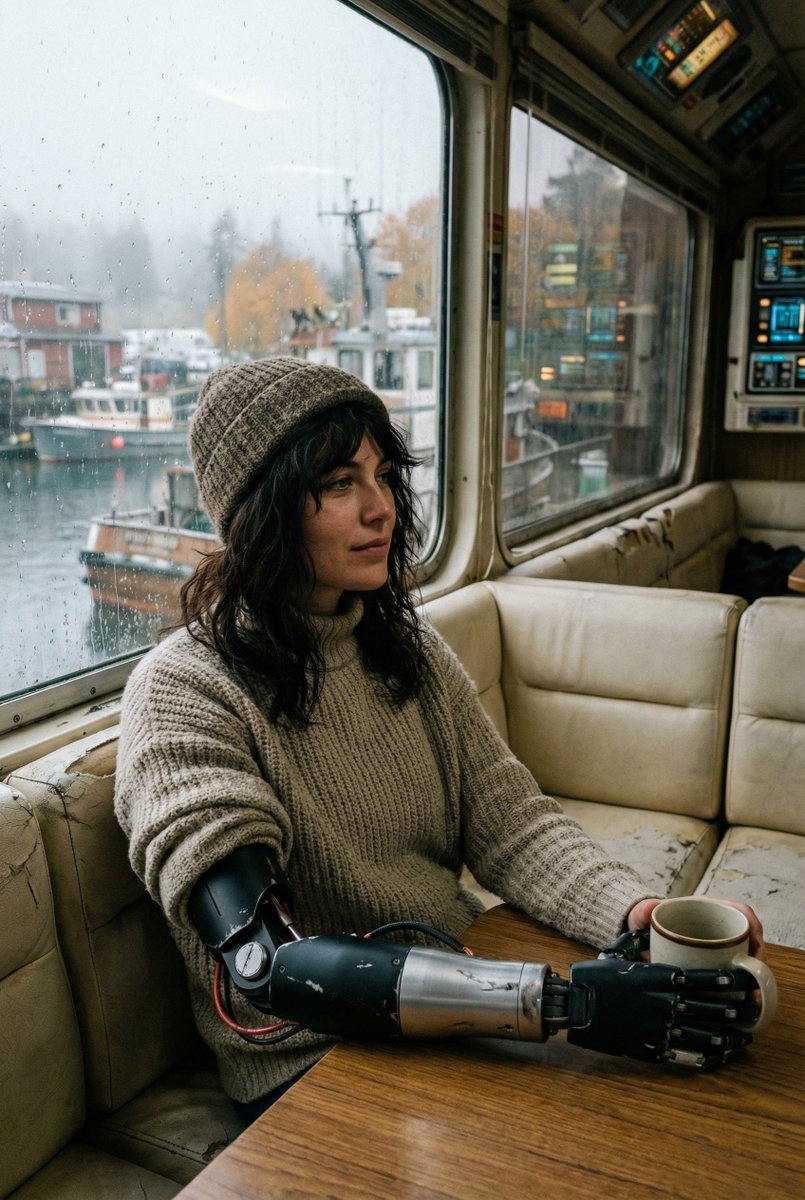
This is a detailed image generation prompt specifically designed for nano-banana-pro to convert existing reference images (like MJ generations) into ultra-realistic, live-action cinematic stills. It focuses on transforming every element—characters, scene, props, and environment—into a deeply detailed, physically plausible, movie-grade photograph, emphasizing deep depth of field, film grain, dramatic lighting, and specific technical film specifications like Kodak Vision3 500T film stock.
Prompt
Core Requirement: Convert all elements in the reference image—including characters, scenes, props, and environment—into ultra-realistic, live-action settings, resembling actual on-set movie stills.
Character Conversion: Strictly retain the original character's hairstyle, clothing, expression, facial features, body movements, and overall temperament, converting them into a real actor's image.
Scene Conversion:
• Restore the comic/illustration scene to a real, physically shootable space
• All props, furniture, and architecture must be real set construction or real location shooting
• Realistic material texture: fabric folds, wood grain texture, metal reflections, wall texture
• Rich environmental details: dust, signs of wear, everyday life details
• Spatial perspective and light/shadow must conform to physical laws
Photography Style: Cinematic live-action photography
• Deep depth of field composition, with everything clear from foreground to background
• Film texture, soft grain, and rich color layering
• Dramatic light and shadow contrast: warm tungsten working lights vs. cool natural twilight
• Subject prominence while retaining environmental narrative
• Scene art and photography comparable to 'Blade Runner' or 'The Grand Budapest Hotel'
Technical Specifications:
• Film Stock: Kodak Vision3 500T (cinematic photography standard)
• Applicable Scenes: Night scenes, low light environments, indoor tungsten lighting
• Aperture: f/8–f/11 (deep depth of field, entire frame clear)
• Focal Length: 35mm–50mm (standard cinematic perspective)
• Resolution: 4K cinema or higher
• Color: Warm, saturated tungsten color temperature, retaining detail in shadows
• Lighting Design: Three-point lighting or natural light combined to create cinematic light and shadow layers
Scene Art Requirements:
• Real set construction or location shooting, avoiding the feel of CG synthesis
• Prop placement conforms to the character's background and era setting
• Spatial design with depth and a sense of life
• Environmental elements like walls, floors, and ceilings must have realistic texture
• Background characters (if any) must also be real actors, avoiding blurring
Negative Prompts (Strictly Avoid):
• Blurred background, shallow depth of field, bokeh, out-of-focus
• Cartoon, anime, illustration style, hand-drawn texture, CG rendering feel
• Flat composition, lack of spatial depth
• Fake sets, green screen artifacts, digital backgrounds
• Facial deformation, disproportionate scaling, AI generation artifacts
• Low quality, digital noise, pixelation, excessive sharpening
• Overexposed strong light, plastic texture, excessive digital post-processing
• Floating props, physical implausibility, material texture mapping feel
• Empty background, lack of detail, monotonous environment
Reference Style: Masterpieces of cinematic photography - the live-action aesthetic of Roger Deakins, Emmanuel Lubezki, Hoyte van Hoytema.
- Author
- Community
- Published
- Dec 11, 2025
- Use cases
- Others
More prompts like this
Fantasy Watercolor Illustration of an Elevated Rail Bridge over Flooded Forest
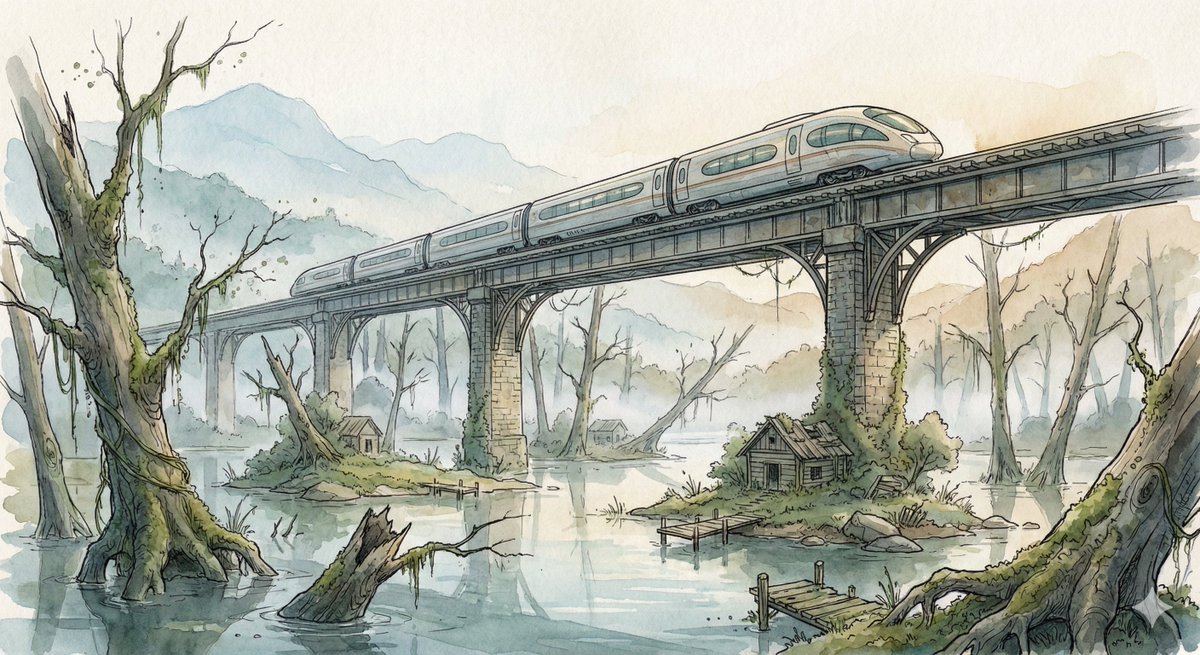
Scene: A sleek high-speed train glides across an elevated rail bridge spanning an enormous flooded forest valley. Half-submerged ancient tree trunks rise from still reflective water while small patches of moss-covered land hold abandoned wooden cabins and broken docks. Morning fog drifts between the skeletal trees, and distant mountains fade into pale atmospheric haze. The bridge stretches far into the distance, its repeating supports creating strong cinematic perspective lines across the quiet, mysterious landscape. Style: Fantasy hand-drawn watercolor illustration style. Traditional watercolor rendering with visible pigment splashes, fluid paint diffusion, and softly blended tonal transitions. Delicate hand-illustrated linework with expressive drawn detailing and organic sketch-like contours. Soft, gentle color palette emphasizing airy tones and subtle saturation rather than strong contrast. Painterly layered watercolor textures combined with illustrative fantasy art aesthetics. Decorative, richly illustrated environments with numerous small background details integrated into the composition. Elegant full illustration treatment prioritizing handcrafted visual charm, artistic softness, and classic storybook-inspired fantasy rendering.
Nano Banana Pro-themed hero image (Chinese)
Draw a hero image for {argument name="product_name_en" default="Nano Banana Pro"} that matches Google Nano Banana’s brand tone and design elements.
Surreal Macro Masterpiece with Miniature Figure
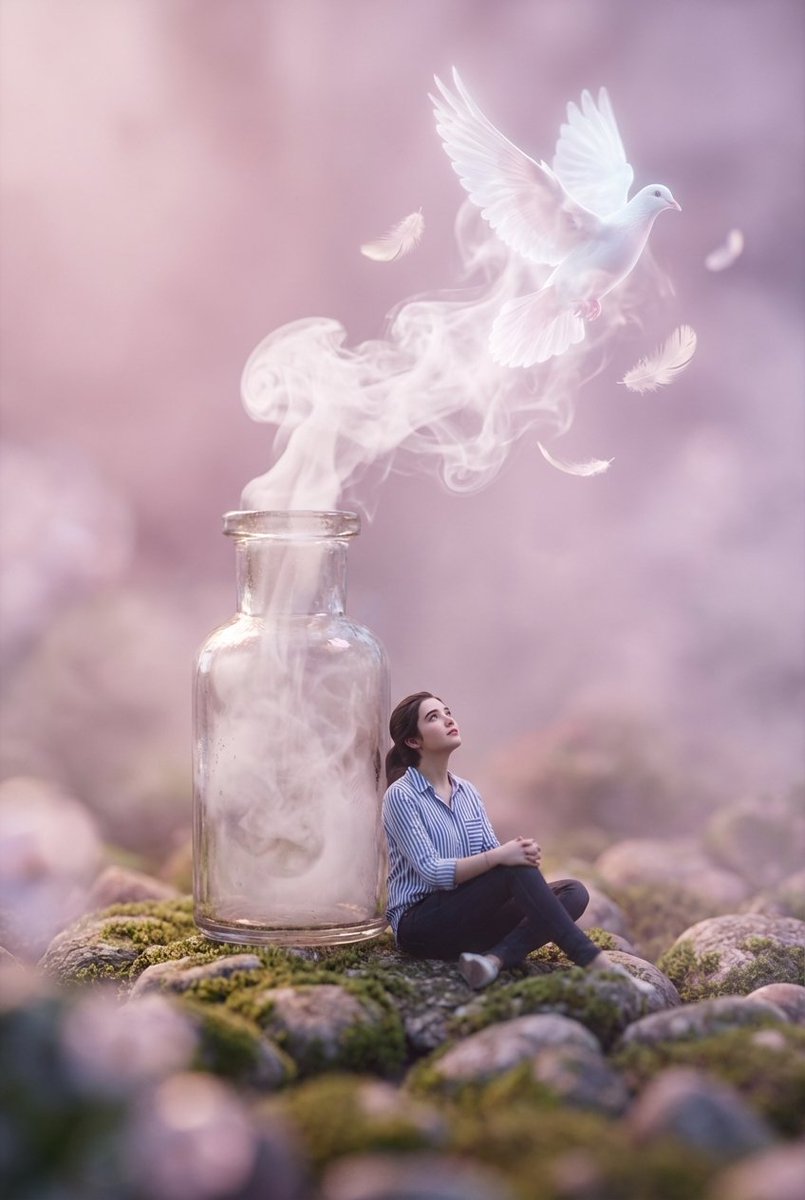
A surreal macro masterpiece featuring a miniature figure with uploaded face as reference sitting on a rocky pebble surface, wearing a striped shirt and dark pants, gazing upward at a vintage glass bottle standing beside them. From the bottle's open neck, ethereal white smoke billows and transforms into a glowing, translucent white dove surrounded by floating feathers. The composition utilizes extreme shallow depth of field with heavy foreground and background bokeh, creating a dreamlike atmosphere bathed in soft pastel pink and violet hues. Cinematic lighting, volumetric fog, 8k resolution, photorealistic textures, Octane Render, magical realism style.
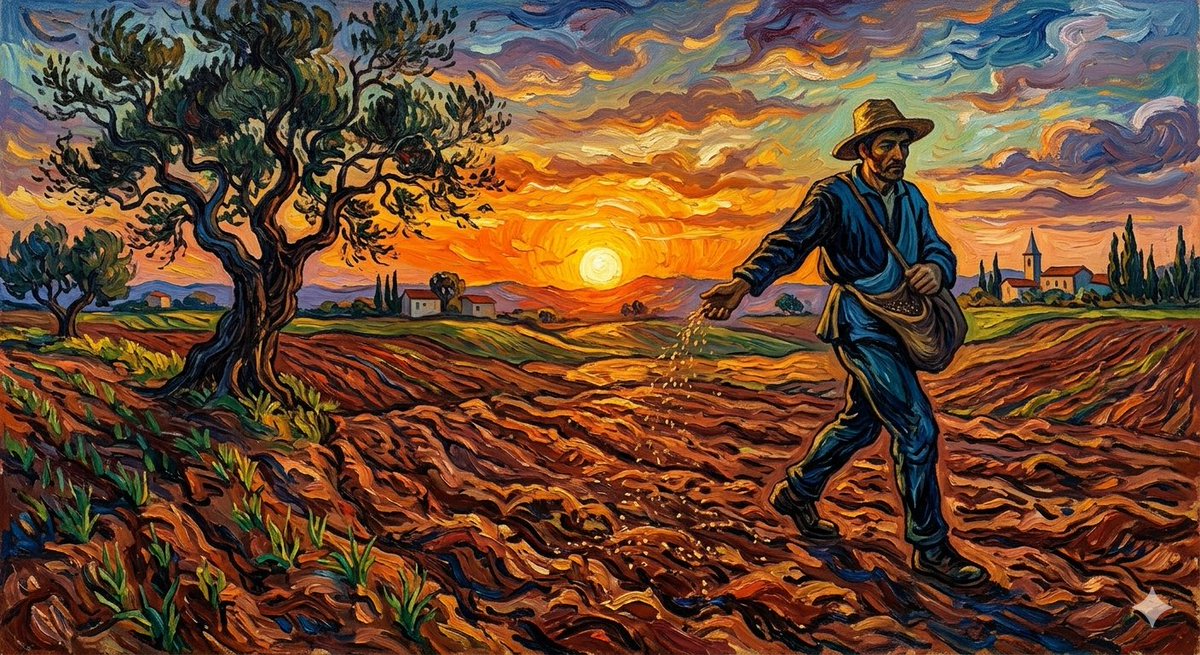
Van Gogh Sower Style Generation
{argument name="artist" default="Van Gogh"} {argument name="subject" default="The Sower"}
Outfit Swapping Workflow with Reference Images
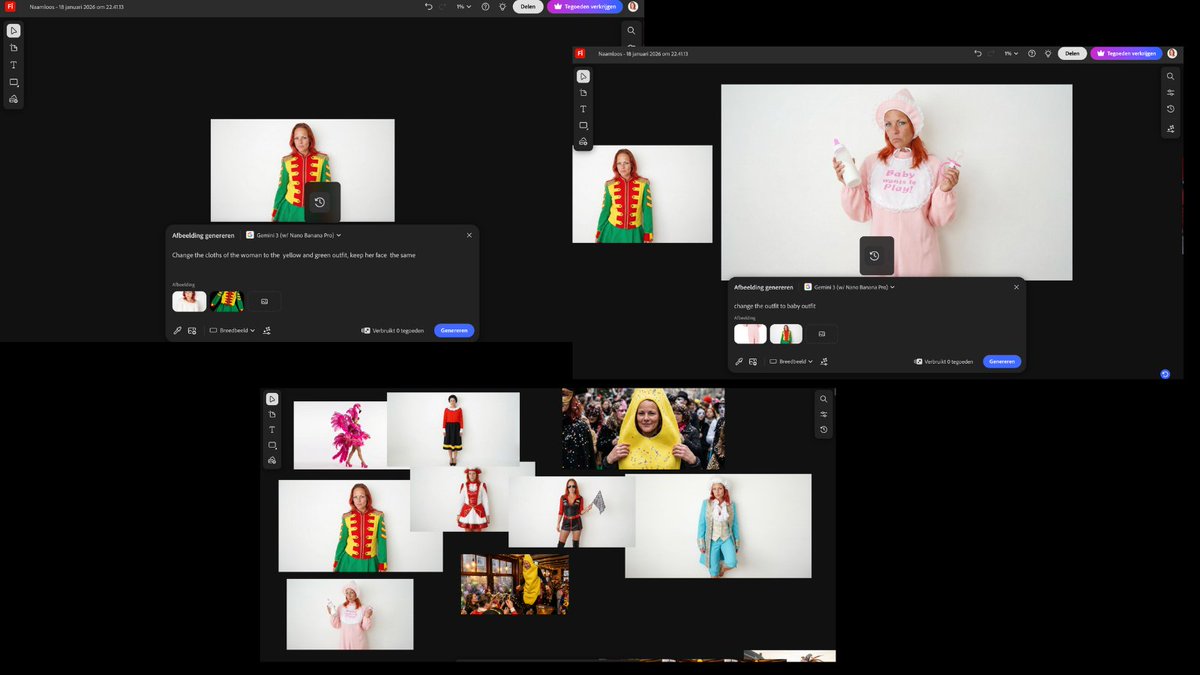
I started with two reference images and a simple first prompt: " Change the clothes of the woman to the {argument name="new outfit" default="yellow and green outfit"}, keep her face the same" Once I had that result, I reused the generated image as the new base. I added a fresh outfit reference and kept the prompt structure identical, only changing the outfit name: "Change outfit to [NAME] outfit"
Some prompts are collected from creators on X. Copyright belongs to the original authors.