
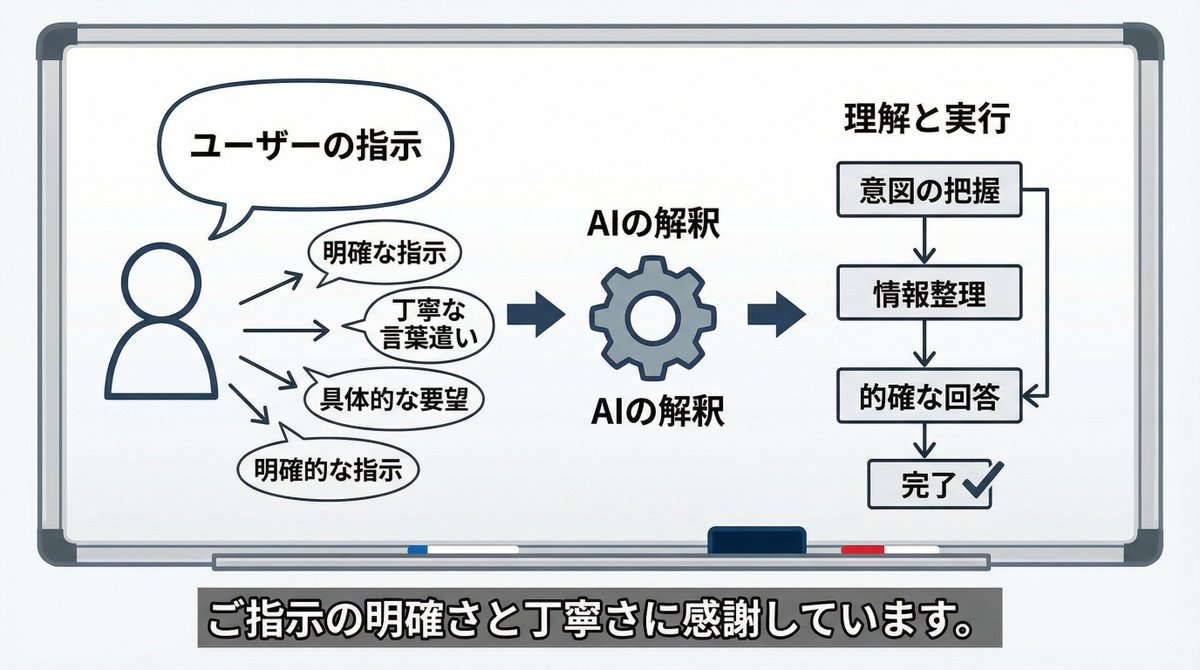
AI Perception Visualization (Nano Banana Pro)
Please create an image or diagram illustrating what you have felt about the way I have given you instructions up until now.
Prompt Library
Curated image, video and web design prompts from creators around the world. Copy any prompt, swap the subject or style, and generate with the latest models.
15,630 prompts · Updated daily · 100% free
599 prompts
Please create an image or diagram illustrating what you have felt about the way I have given you instructions up until now.
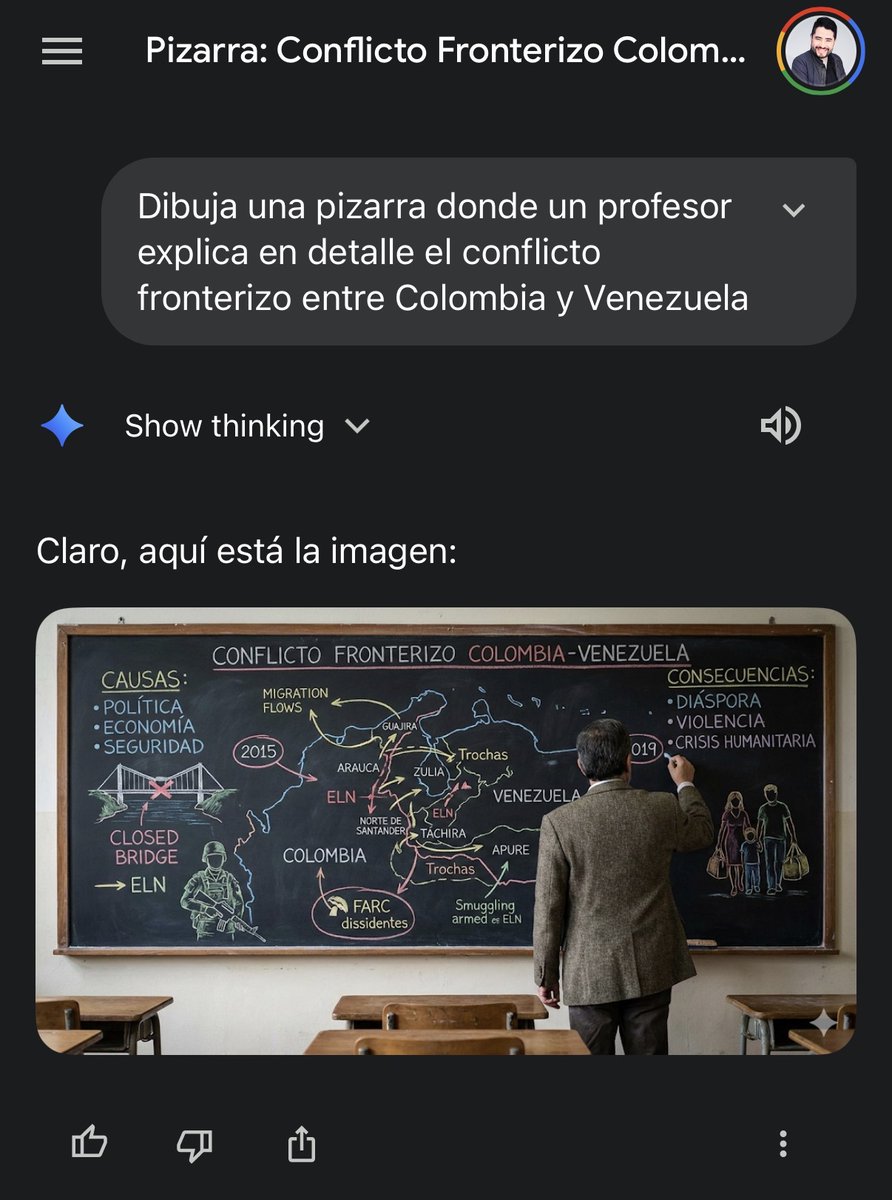
Draw a blackboard where a {argument name="instructor_en" default="U.S. soldier"} explains in detail the {argument name="topic_en" default="military tension in the waters of the Caribbean Sea between the United States and Venezuela"}.
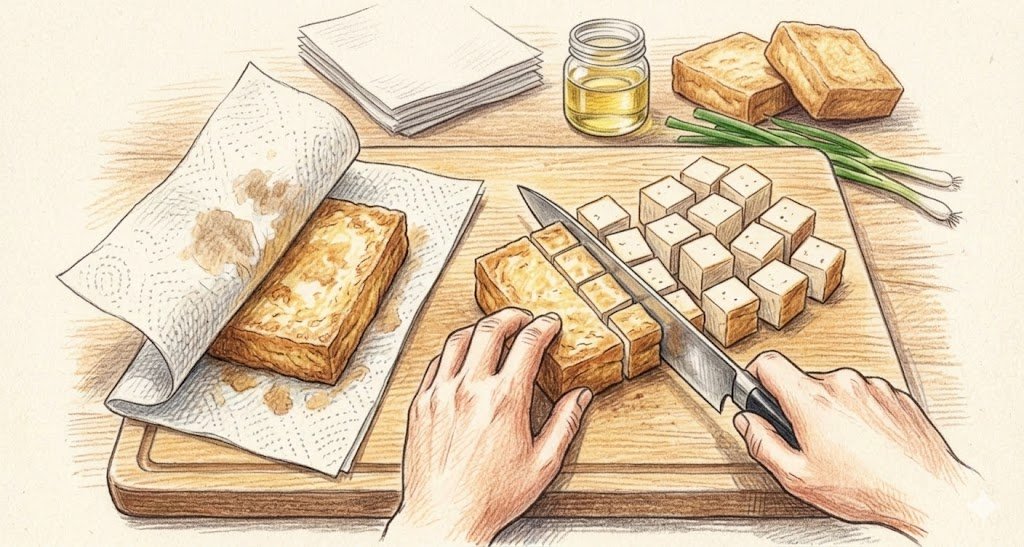
Wipe the oil off the surface of the deep-fried tofu with a paper towel. This saves the trouble of boiling water to remove the oil. Then, cut it into bite-sized squares with a knife.
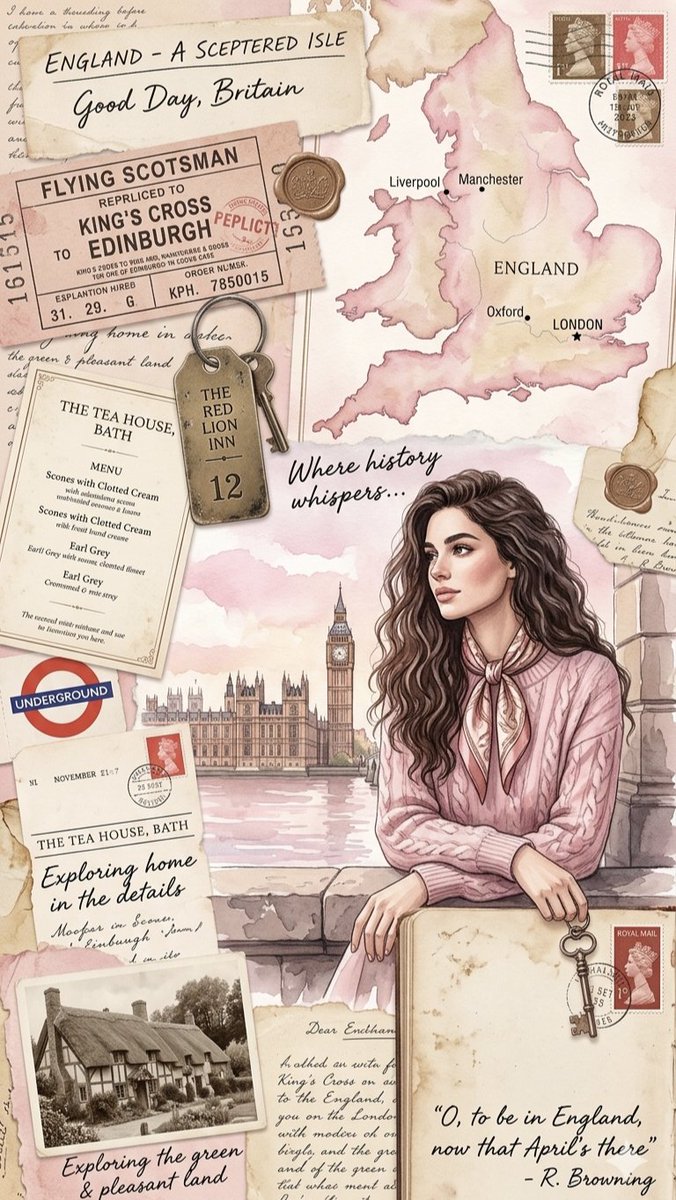
A vintage-inspired digital scrapbook collage celebrating a journey through {argument name="country" default="England"}, designed with a soft, romanticized watercolor aesthetic in pastel tones of blush pink, cream, beige, and sepia. The main focus is an elegant young woman with {argument name="hair style" default="long, wavy dark hair"}, wearing a {argument name="outfit" default="pink cable-knit sweater"} and a silk neck scarf, leaning on a stone ledge with a soft-focus view of Big Ben and the Palace of Westminster behind her. Surrounding her are various travel elements, including a watercolor map of England, an old train ticket for the Flying Scotsman, a rustic brass hotel key, vintage postage stamps, a London Underground logo, and a menu from a tea house in Bath. The composition is completed with an old black-and-white photograph of a traditional thatched-roof cottage, handwritten cursive elements, and elegant script typography featuring the quote, "O, to be in England, now that April's there" by R. Browning.
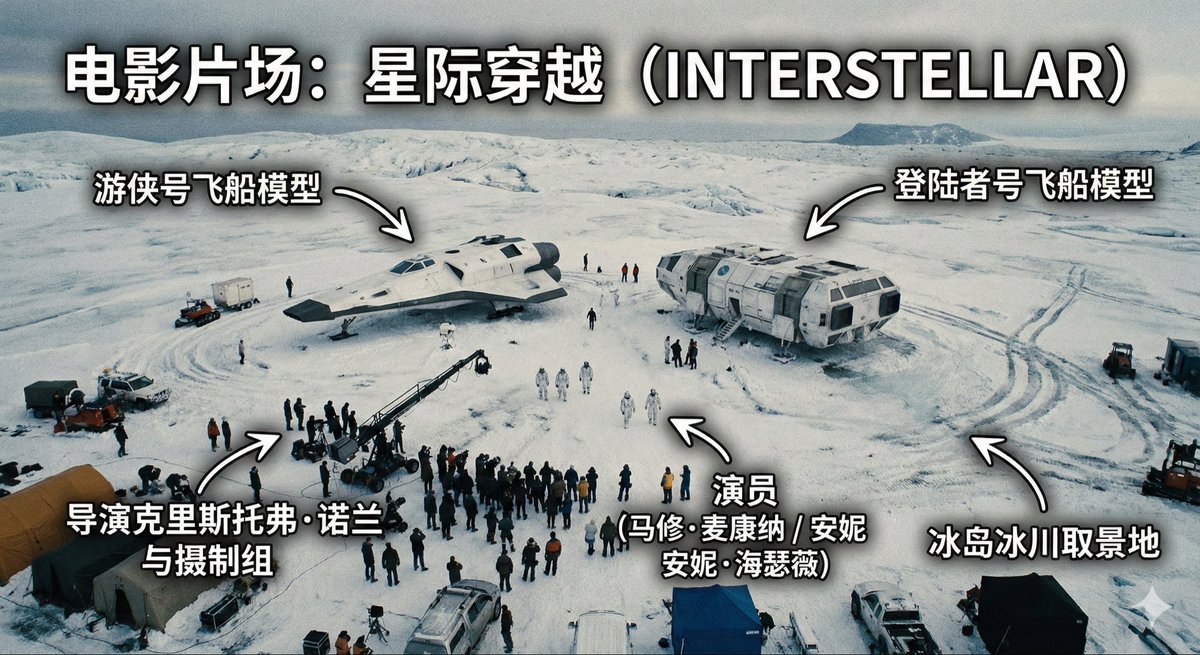
Generate an image of a film set, an aerial high-angle shot of one scene on the set, with annotations indicating the film set is: {argument name="film title" default="If Going to Work Were a Play"}
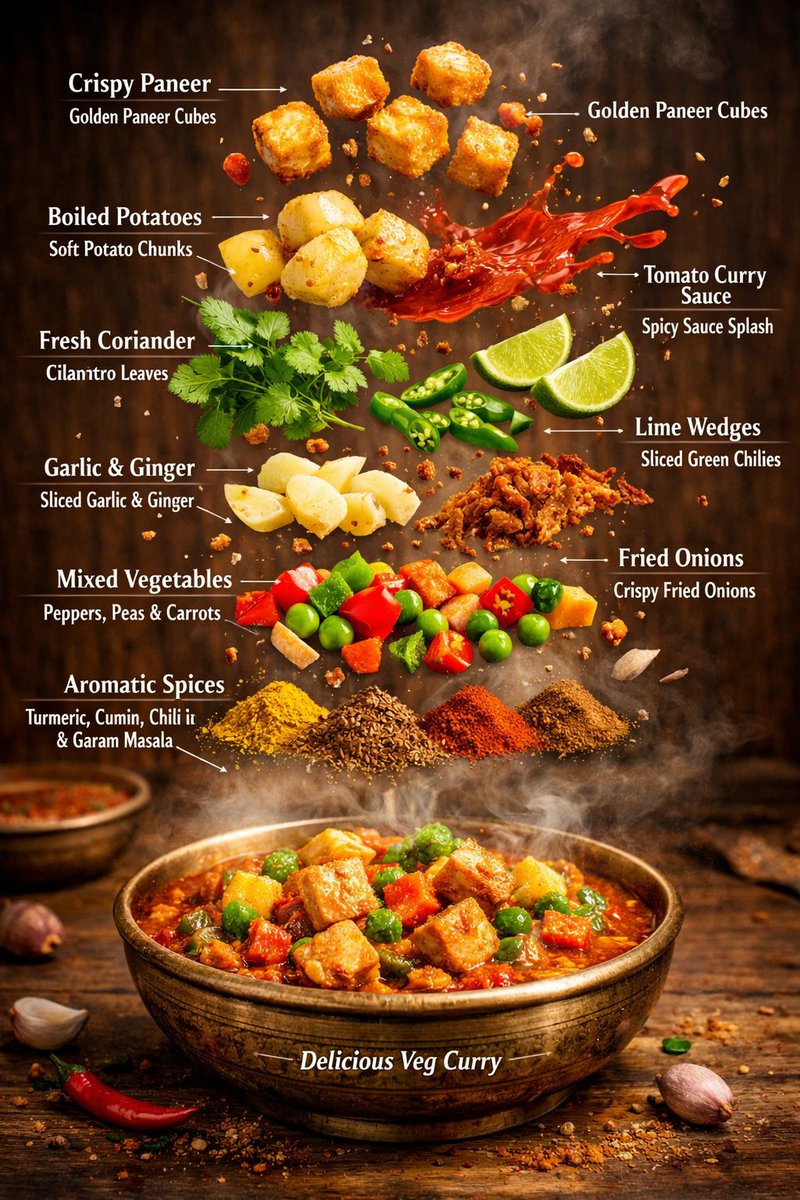
{ "image_prompt": { "type": "Hyper-realistic editorial food infographic", "subject": { "cuisine": "Authentic Indian Vegetarian", "base_element": "Traditional rustic bowl filled with steaming, freshly cooked curry at the bottom, rich and aromatic", "levitating_ingredients": [ "Golden, crispy paneer cubes", "Soft boiled potato chunks", "Glazed tomato-curry sauce splashes suspended mid-air", "Vibrant fresh coriander leaves", "Sliced green chilies", "Lime wedges", "Thin slices of garlic and ginger", "Crunchy fried onions", "Colorful vegetables: red bell peppers, green peas, orange carrots", "Sprinkle of aromatic spices: turmeric, cumin seeds, red chili powder, garam masala" ] }, "composition": { "layout": "Clean vertical infographic composition", "arrangement": "Realistic gravity-defying floating ingredients, layered for visual hierarchy", "background": "Warm rustic wooden tabletop or traditional Indian brass plate", "visual_hierarchy": "Bowl anchored at the bottom, ingredients rising vertically with natural spacing, creating depth and focus on main dish" }, "graphic_design_elements": { "labels": "Sharp, clear English text annotations for each ingredient", "lines": "Delicate thin white pointer lines connecting floating ingredients to labels", "style": "Professional editorial food magazine infographic, visually educational, vibrant and appetizing" }, "lighting_and_mood": { "lighting": "Cinematic studio lighting with warm highlights and soft shadows, enhancing textures", "color_palette": "Rich, vibrant warm tones to highlight spices, vegetables, and curry", "effects": "Visible rising steam, motion-frozen mid-air ingredients, slight reflections and glistening sauce for mouth-watering effect" }, "technical_specs": { "camera_settings": "Shallow depth of field, ultra-sharp focus on foreground elements, DSLR cinematic lens effect", "details": "Ultra-detailed textures on paneer, vegetables, spices, and sauce; realistic steam and glossy highlights", "resolution": "8K ultra-realistic, suitable for high-end digital display, print, or magazine cover" } } }

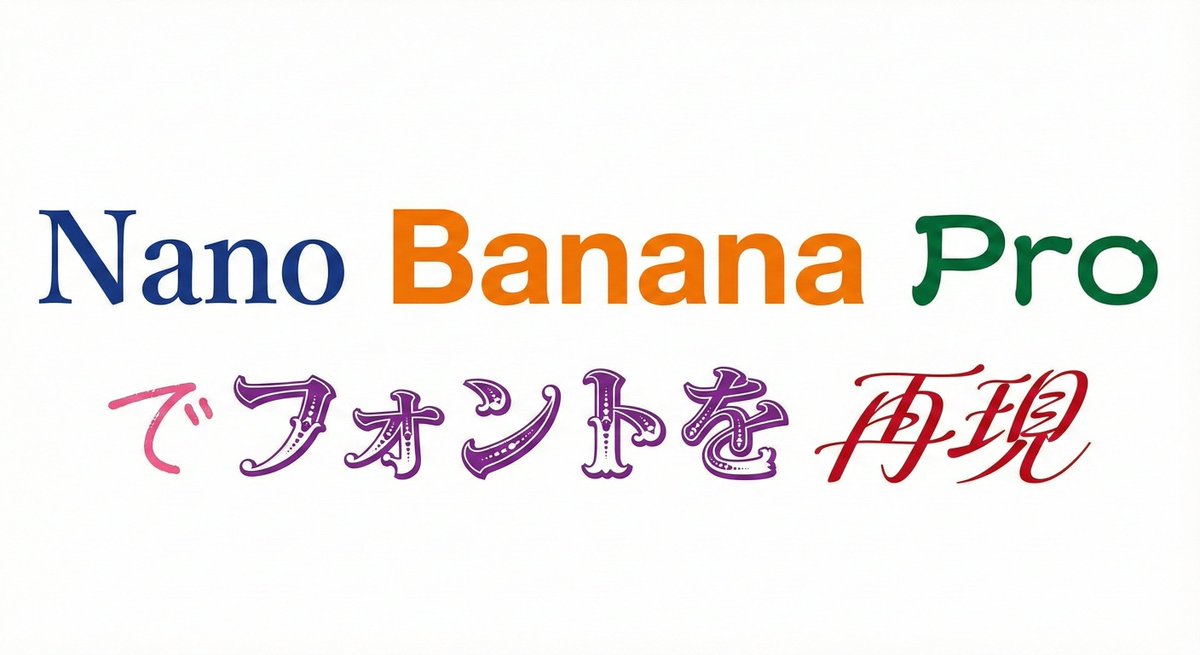
Please display the following string using the specified fonts. Express the background in white and the text in black. Generate 9 types of fonts in one go. # String {argument name="string 1" default="Nano Banana Proでフォントを再現"} # Desired Fonts Mincho (Serif) Gothic (Sans-Serif) Reisho (Clerical Script) Kanteiryu (Kabuki Font) Handwritten Decorative/Title (Display) Horror Cyber/SF (Tech) Calligraphy (Script) Furthermore, you can specify a particular font for a specific part of the string. Prompt: Please display the following string using the specified fonts. Express the background in white and change the color of the text for each font. # String {argument name="string 2" default="Nano Banana Proでフォントを再現"} # Desired Fonts Nano: Mincho (Serif) Banana: Gothic (Sans-Serif) Pro: Reisho (Clerical Script) で: Handwritten フォントを: Decorative/Title (Display) 再現: Calligraphy (Script)
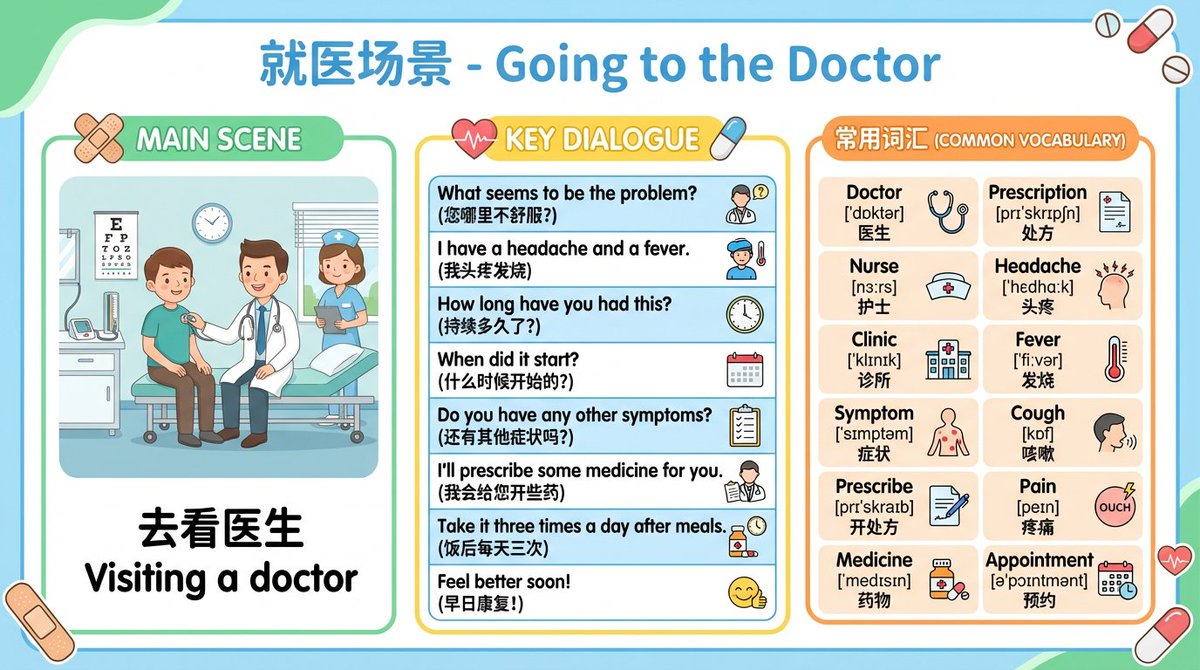
Physics laws prompt: Generate infographics for all physics laws from junior high school textbooks, one law per image. The content must be easy to understand and suitable for middle school students. English card prompt: Generate English learning cards, one per image, presented through everyday life scenarios such as ordering food, asking for directions while traveling, hotels, and airport check-in. Each card should include a dialogue scene between characters and the main commonly used sentences, and also list the key vocabulary (including phonetics and meanings). Start with {argument name="number of English scenarios" default="12"} scenarios for me to review. Poetry card prompt: Generate learning cards for {argument name="number of Tang poems" default="10"} famous Tang poems. The image should contain the full poem text, and the visual should match and reflect the poem’s content and mood to help students understand the background and artistic conception, with simple Chinese annotations.
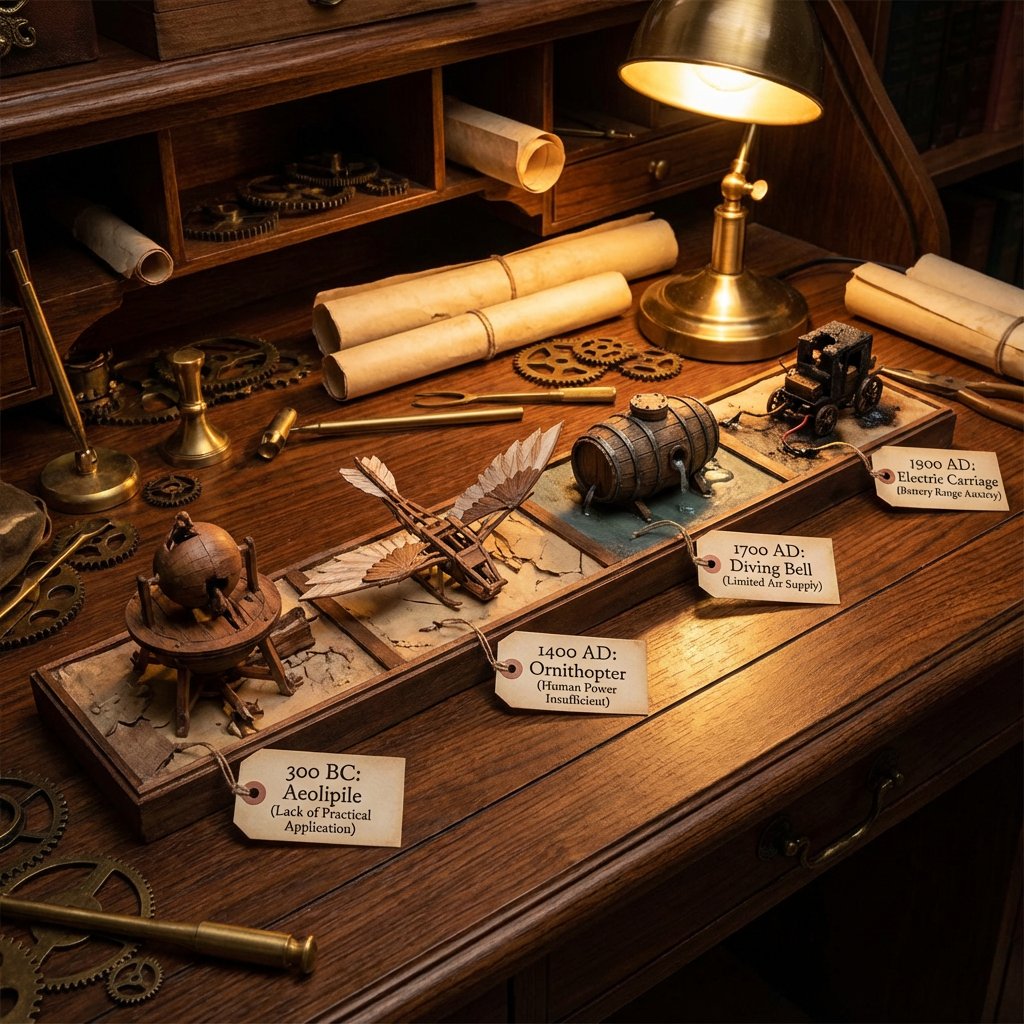
A detailed diorama on a long wooden desk showing a timeline of failed inventions from 4 different areas: {argument name="first invention date" default="300 BC"}: failed invention with a tag explaining in a couple of words why {argument name="second invention date" default="1400 AD"}: failed invention with a tag explaining in a couple of words why {argument name="third invention date" default="1700 AD"}: failed invention with a tag explaining in a couple of words why {argument name="fourth invention date" default="1900 AD"}: failed invention with a tag explaining in a couple of words why steampunk aesthetic, cluttered with scrolls, blueprints, gears, warm, workshop, lighting.
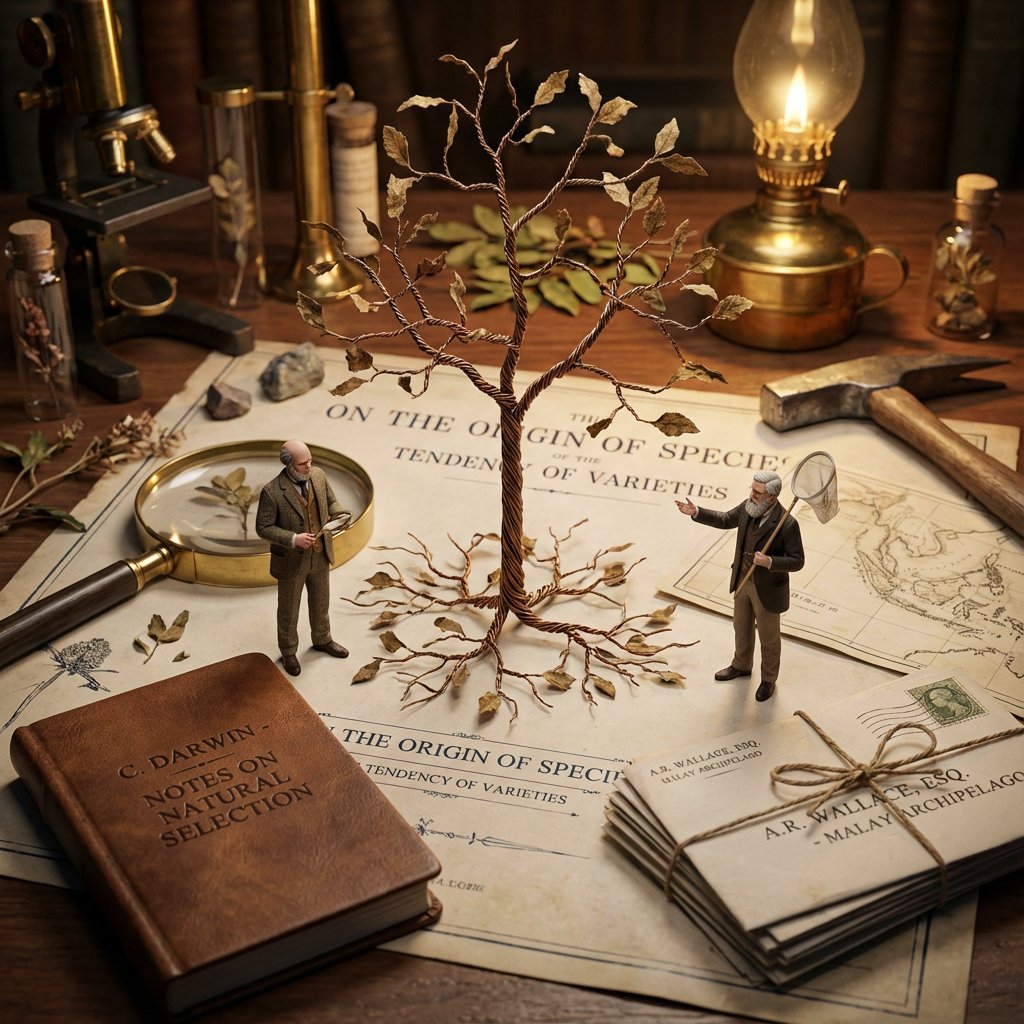
<instructions> Input: Invention/Rivalry = {argument name="invention/rivalry" default="[User Choice]"} Phase 1: Chronological Profiling Ancient (Pre-500 AD): Stone/Papyrus, Oil Lamps. Labeling = Carved symbols or scroll signatures. Renaissance (1400-1600): Parchment, Candlelight. Labeling = Wax seals, hand-lettered envelopes, book spines. Industrial (1800-1940): Blueprints, Gaslight. Labeling = Typed Patent headers, Business Cards, Newspaper Headlines. Modern (1950-Present): Circuit diagrams, Neon. Labeling = ID Badges, Magazine covers, Computer login screens. Phase 2: Goal: A hyper-detailed Macro Diorama where the environment identifies the rivals. 1. The Stage (The Document): The ground is the primary design medium of the era (Clay Tablet, Parchment, Blueprint, or CAD Printout). The Invention:A 3D Prototype is rising from the center, separating the two figures. 2. The Living Miniatures: Two tiny, hyper-realistic figurines (The Rivals) interact with the invention. They are dressed strictly in period-accurate clothing. 3. The Identity Anchors (CRITICAL - Labeling): Instruction: You must seamlessly integrate readable text into the "Giant" props near each figure to identify them to the viewer. Prop A (Near Rival 1): Place a "Giant" personal item with their name visible. (e.g., A letter addressed to "Mr. T. Edison", a book titled "By C. Darwin", or a security badge reading "S. Jobs"). Prop B (Near Rival 2):Do the same for the second figure. (e.g., A Patent application signed "Nikola Tesla", or a court summons for "Mark Zuckerberg"). Context: These items must look like they were carelessly left on the desk, not floating labels. 4. The "Giant" Atmosphere: The Tools: Giant-scale era-appropriate tools (Chisels, Quills, Soldering Irons) tower over the figures. The Clutter: Period-specific debris (Marble dust, Ink spills, Burnt fuses, Empty soda cans). 5. Technical Specs: Lighting: Era-appropriate source (Fire vs. Filament vs. LED). Perspective:Tilt-shift macro photography (45-degree angle). focus on the miniatures. Output: ONE image, 4:5 aspect ratio, photorealistic historical macro photography with legible environmental text. </instructions>
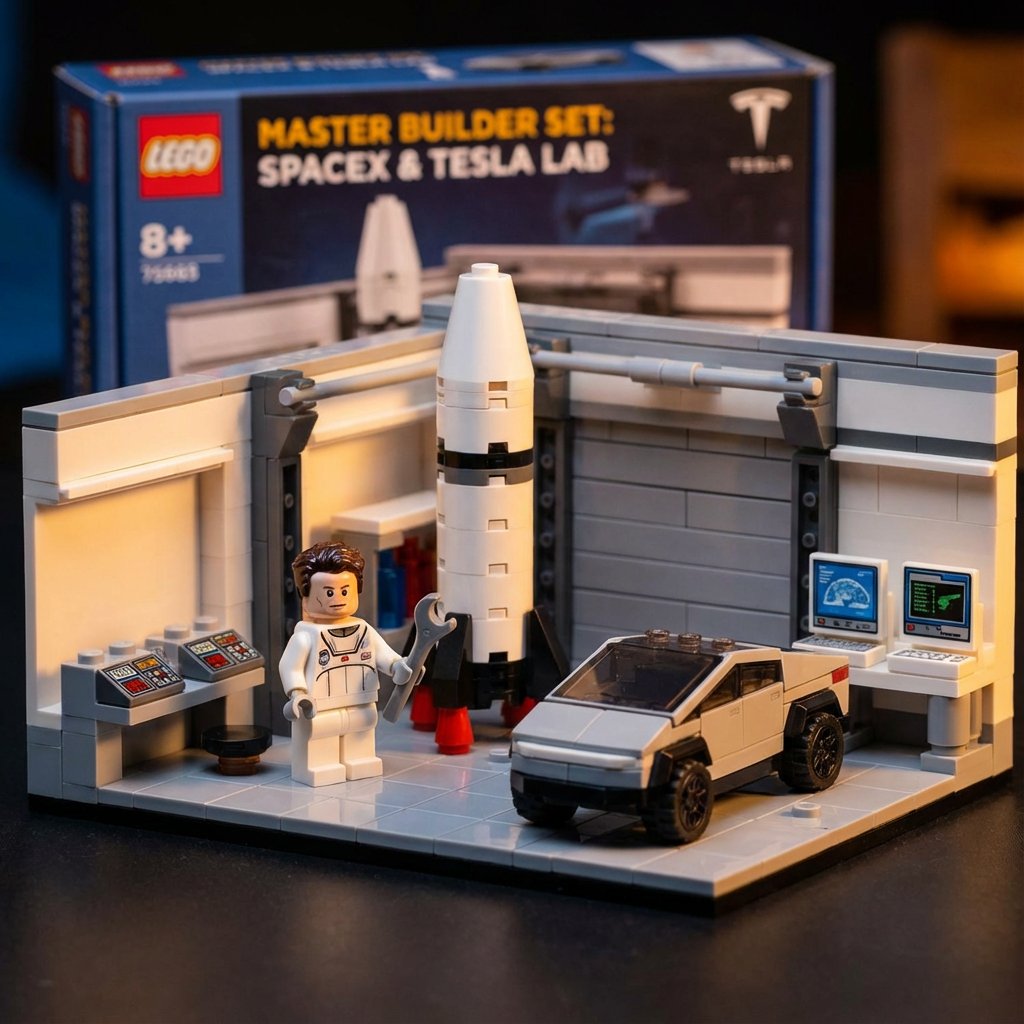
<instructions> Retelling history through plastic construction blocks. Input Variable: {argument name="inventor" default="[INSERT INVENTOR]"} Workflow: 1. Medium Shift: The subject and their laboratory are constructed entirely of high-gloss plastic interlocking bricks (LEGO-style). 2. Context: A "Master Builder" set depicting a famous laboratory relevant to the inventor. 3. Action: The minifigure version of [INSERT INVENTOR] is holding a tiny plastic tool, standing next to a brick-built version of his greatest invention, building, or lab environment. Style: Macro Toy Photography (Tilt-Shift). </instructions>
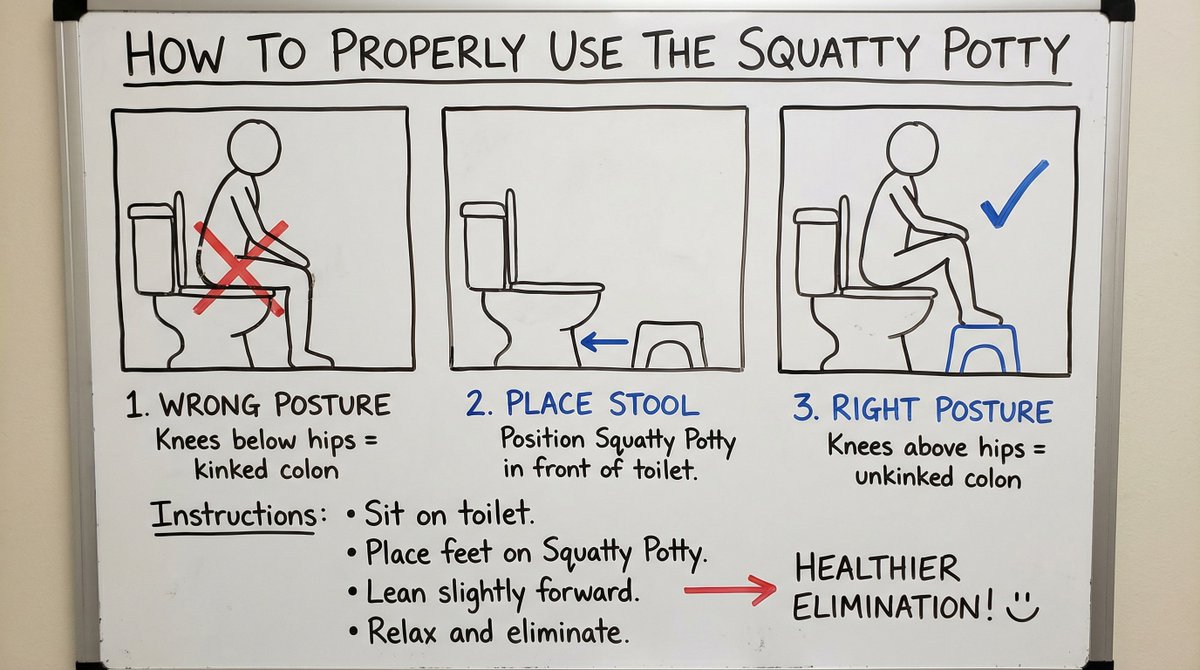
A detailed whiteboard illustration and instructions on how to properly use the Squatty Potty.

2x2 grid, do this for {argument name="scene" default="4 famous manga scenes"}: [scene_material_translation_engine] vector_g (scene geometry) = [variable_scene] matrix_m (material world) = "{argument name="materials" default="walnut, maple, ebony-stained wood, veneer layers, carved wood, sawdust"}" variables: [variable_scene] = "[insert any scene here]" equation: vector_g ⊗ matrix_m = render_target [scene_decomposition_rules] the ai must infer all major and minor components of [variable_scene] and re-create them entirely using woodcraft and marquetry logic. [mapping_constraints] - replace 100% of the original materials with wood-based materials only. - no real metal, glass, fabric, stone, rubber, plastic, or water may remain. - every object must appear carved, laminated, veneered, inlaid, polished, or dusted with sawdust. - grain direction and wood type should help define structure and detail. [composition] macro artisan-object photography. the scene is displayed as a miniature handcrafted wood diorama on a dark lacquered base. [visual_execution] render the render_target. lighting: {argument name="lighting" default="warm premium workshop lighting"}. texture: visible wood grain, layered veneer edges, polished surfaces, fine carved detail, sawdust residue. the scene must read instantly, while clearly existing as wooden craftsmanship.
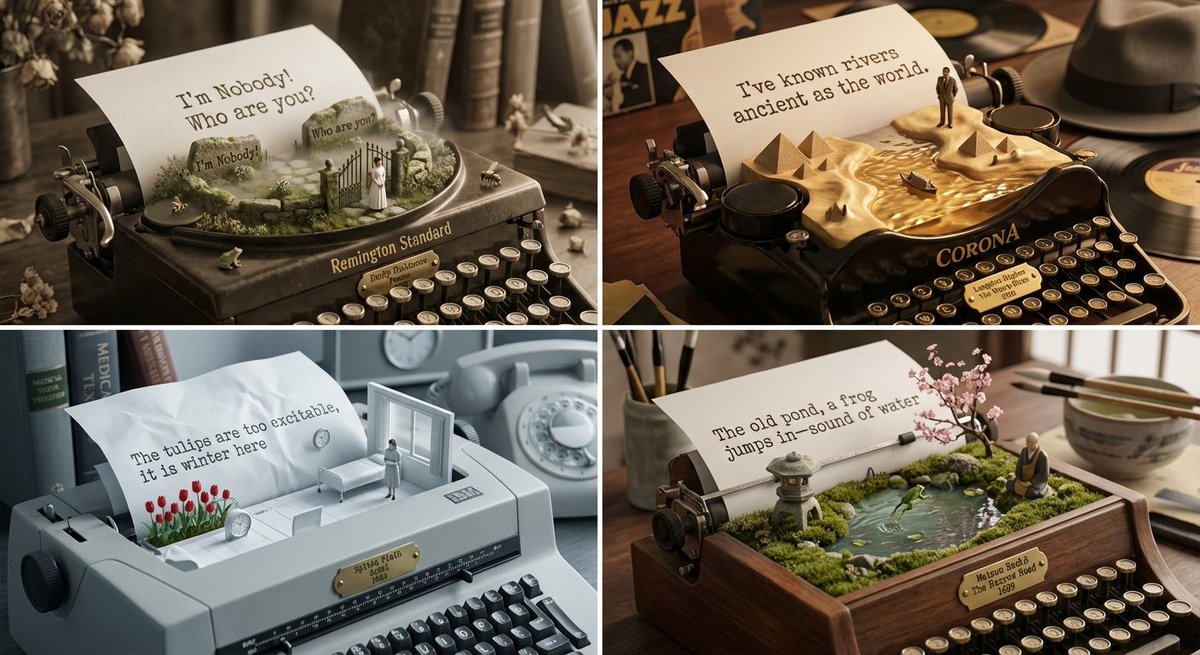
Role: Literary Curator & Typewriter Sculptor Input: {argument name="input" default="[Poet or Poem, e.g., T.S. Eliot, Pablo Neruda]"} Phase 1: Poetic Voice Analysis Identify the poet's signature rhythm, recurring imagery, and emotional core Select 4 contemporary or lesser-known poets with parallel sensibilities Extract 5-8 physical objects mentioned repeatedly in their work Phase 2: Visual Execution Goal: 2x2 Grid of "Typewriter Output as 3D Landscapes" Rules per Panel: The Base: A vintage typewriter (different model per poet's era) The Paper: A single sheet of paper loaded in the roller The Transformation: The typed text physically rises from the page, forming a 3D topographical landscape The Words: Key lines from the poem carved into the terrain like engraved stone The Symbols: Miniature objects from the poem placed in the landscape (tiny boat, rose, clock, door) The Poet: Microscopic figurine of the poet wandering through their own words The Mood: Lighting matches emotional tone (fog for melancholy, harsh light for anger, soft gold for longing) The Metadata: Brass typewriter key showing "Poet | Collection | Year" **background: poet and poet era relevant items in the background. Output: 2x2 Grid, Macro Photography, shallow depth of field
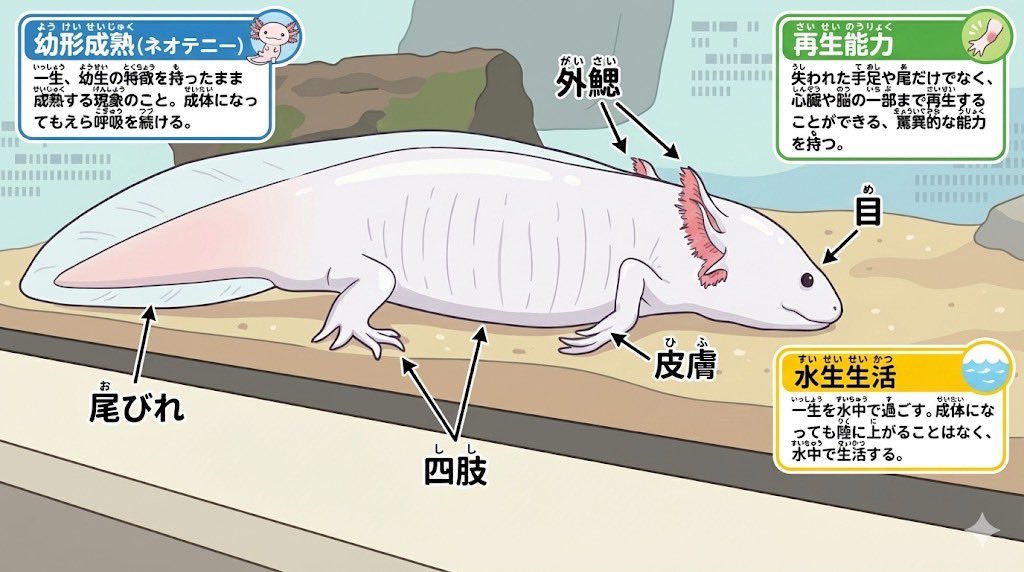
Animal photo -> Diagram Clean diagram completed ↓ Modified for elementary school students Ruby text (furigana) is also included in the coloring ↓ Turn it into a coloring book page ↓ Your own diagram is complete♪
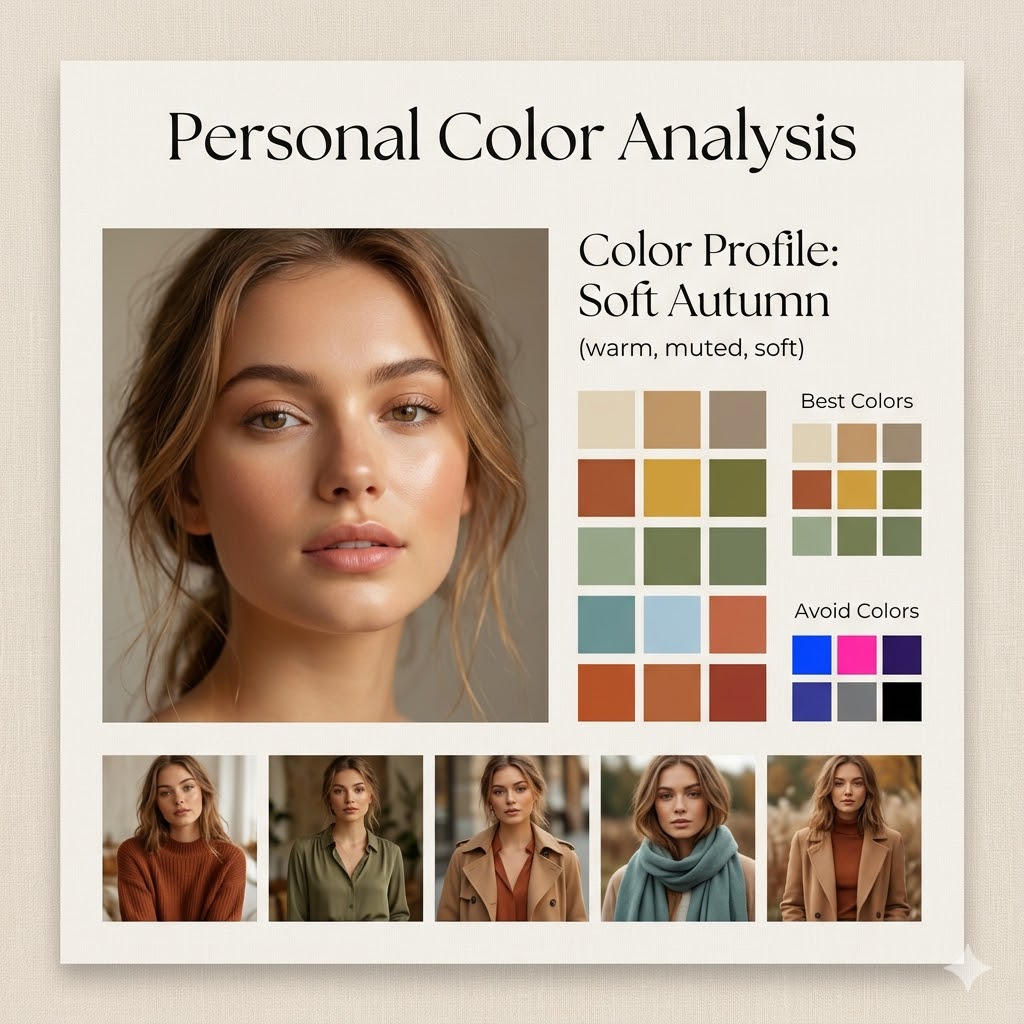
Design a square (1:1) aesthetic personal color analysis board in a {argument name="board style" default="soft beige, minimalist style"}. Place a close-up portrait of a {argument name="subject" default="young woman"} at the center, featuring natural makeup and soft daylight lighting. Add the title “Personal Color Analysis” above or beside the portrait. Include a section labeled “Color Profile: {argument name="color profile" default="Soft Autumn (warm, muted, soft)"}”. Display clean color swatches featuring warm neutrals, earthy tones, muted greens, soft blues, and terracotta shades. Add a “Best Colors” grid along with an “Avoid Colors” grid highlighting overly bright or cool tones. At the bottom, include 4–5 small images of the same woman styled in outfits that match the recommended palette. Use a refined combination of elegant serif and minimal sans-serif fonts, soft shadows, and a clean editorial layout. The background should be warm beige with a subtle texture. Ensure the design feels spacious, polished, and Instagram-ready.
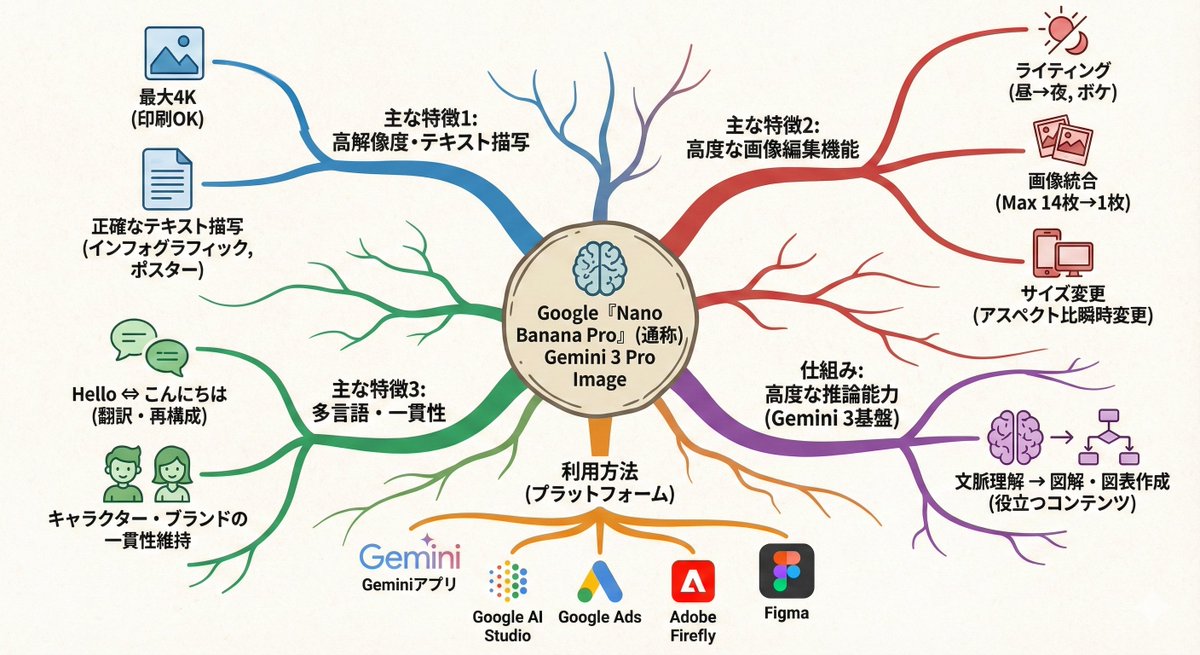
Turn this text into a map that expands outward from the center. Key points: - Put the main theme in the middle - Arrange related elements as branching nodes - Use color coding to separate categories - Add simple icons - Use an organic layout Make it feel like my thoughts are being organized.
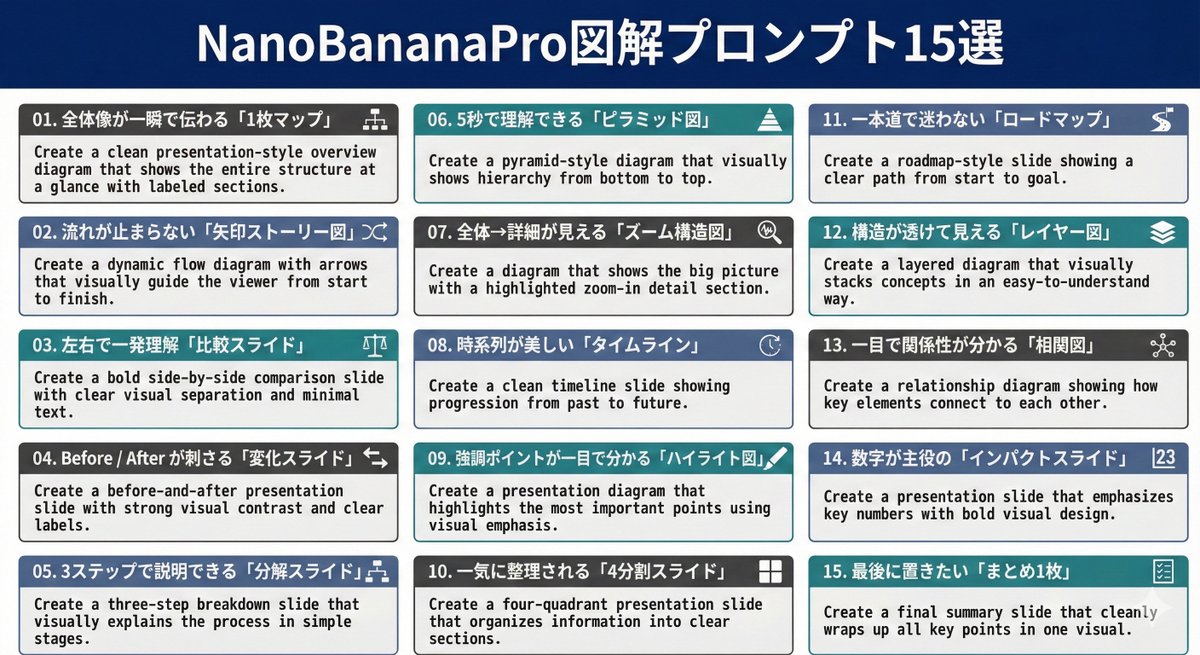
01. Create a clean presentation-style overview diagram that shows the entire structure at a glance with labeled sections. 02. Create a dynamic flow diagram with arrows that visually guide the viewer from start to finish. 03. Create a bold side-by-side comparison slide with clear visual separation and minimal text. 04. Create a before-and-after presentation slide with strong visual contrast and clear labels. 05. Create a three-step breakdown slide that visually explains the process in simple stages. 06. Create a pyramid-style diagram that visually shows hierarchy from bottom to top. 07. Create a diagram that shows the big picture with a highlighted zoom-in detail section. 08. Create a clean timeline slide showing progression from past to future. 09. Create a presentation diagram that highlights the most important points using visual emphasis. 10. Create a four-quadrant presentation slide that organizes information into clear sections. 11. Create a roadmap-style slide showing a clear path from start to goal. 12. Create a layered diagram that visually stacks concepts in an easy-to-understand way. 13. Create a relationship diagram showing how key elements connect to each other. 14. Create a presentation slide that emphasizes key numbers with bold visual design. 15. Create a final summary slide that cleanly wraps up all key points in one visual.
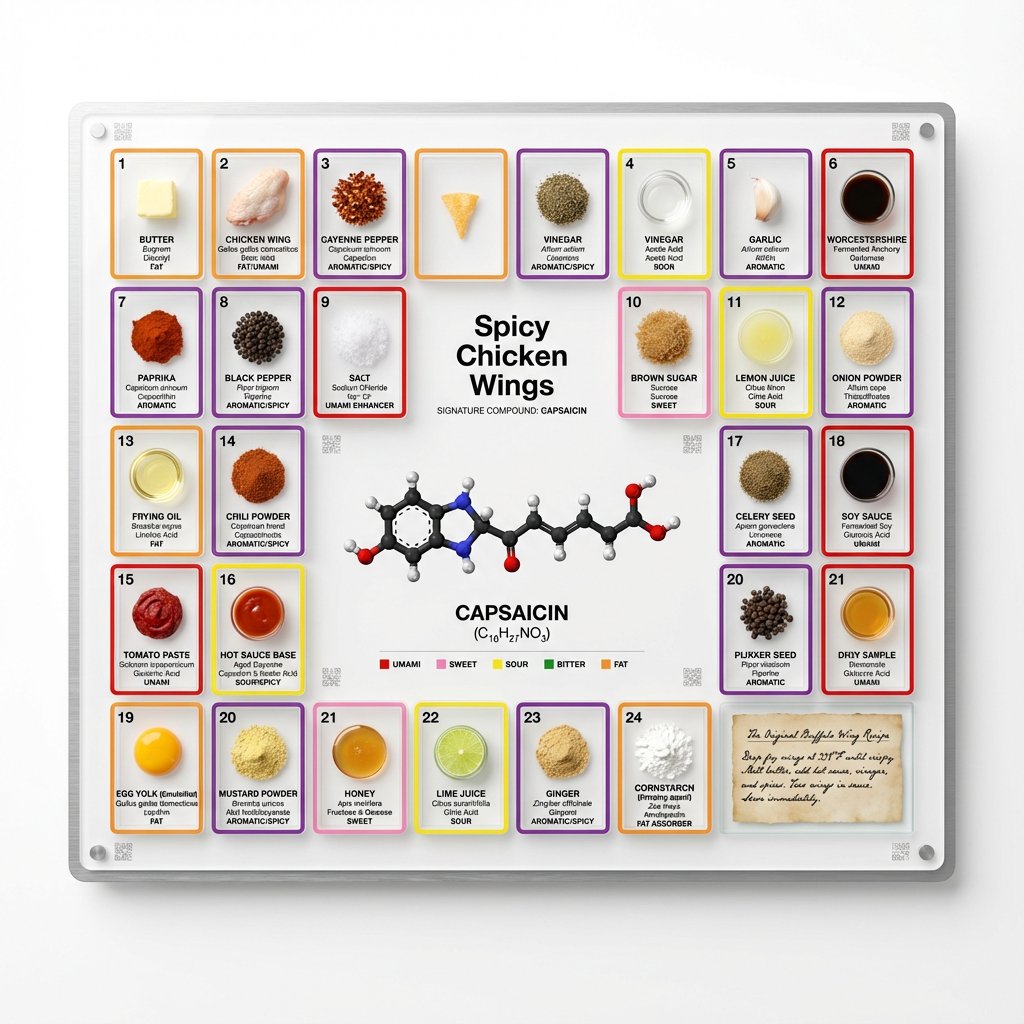
<instruction> Input A is a famous dish (photo or dish name). Analyze the dish's complete ingredient breakdown, primary flavor compounds, chemical interactions, and scientific basis for why ingredients work together. Optional Input B is a style reference (laboratory equipment / tech product packaging). If missing, choose scientific periodic table meets Apple product design aesthetic. Goal: Grid-format display board (20"x16") in periodic table structure, with each ingredient in its own compartment labeled with both culinary and scientific information, color-coded by flavor profile. Rules: Brushed aluminum, white acrylic, or frosted glass backing 20-30 small clear compartments in periodic table grid layout Each compartment contains: ingredient specimen, common name, scientific name, primary flavor molecule Color-coded borders: umami (red), sweet (pink), sour (yellow), bitter (green), fat (orange), aromatic (purple) Center "legend" section: 3D molecular structure diagram of signature compound Lower corner: actual handwritten recipe on aged vellum or parchment under glass AR markers for scanning to see animated 3D molecule models Clean sans-serif typography (like Helvetica or Futura) Minimal design with generous white space Include atomic-style "numbers" for each ingredient showing ratio/importance Output: ONE image, 4:5 clean product photography style with soft shadows on pure white background </instruction>
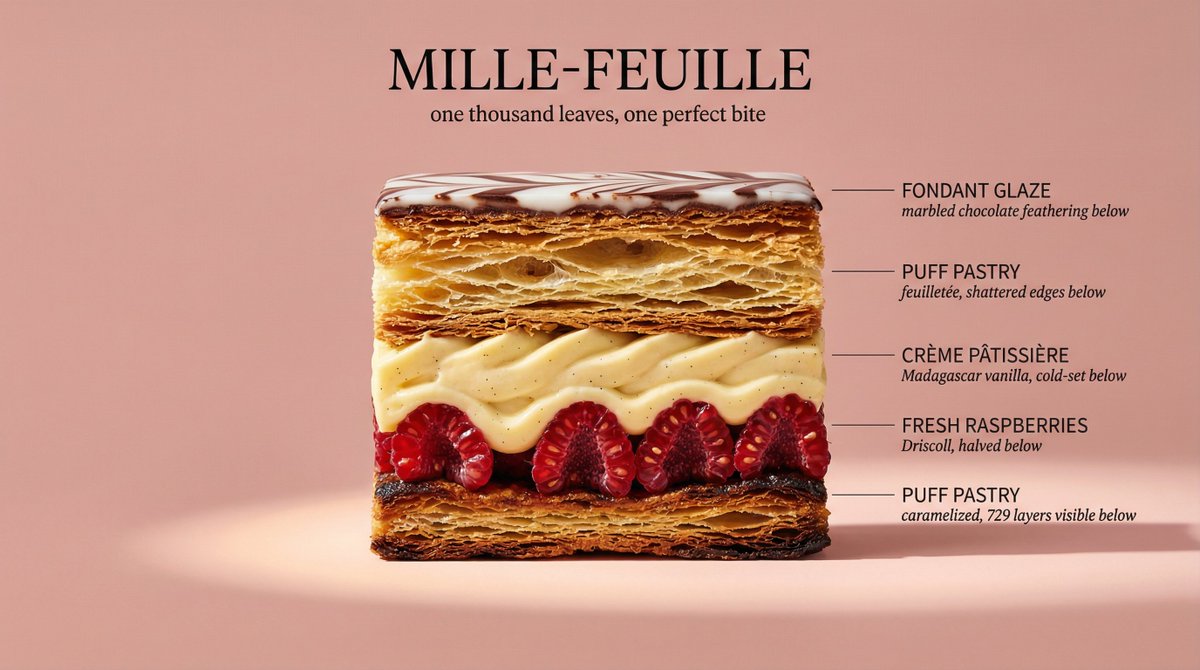
Perfect cinematic cross-section cut through {argument name="dish" default="[DISH]"}, sliced cleanly down the center revealing every internal layer in full detail. The cut face is facing the camera straight-on, like a geological diagram of flavor. Each visible layer is labeled with a thin horizontal line extending to the right — uppercase sans-serif "{argument name="ingredient name" default="[INGREDIENT NAME]"}" with italic descriptor below. Background: flat matte {argument name="color" default="[COLOR]"}. Lighting: dramatic side light from left casting long shadows, single warm spotlight on the cut face. Every texture hyperreal — visible moisture, air pockets, char, glaze, and steam. Mood: architectural food photography meets scientific illustration. Dish name "[DISH NAME]" in large elegant type at top. Subtitle: "[TAGLINE]". 4K, tack sharp, Style ref: Wes Anderson symmetry meets Michelin-star kitchen.
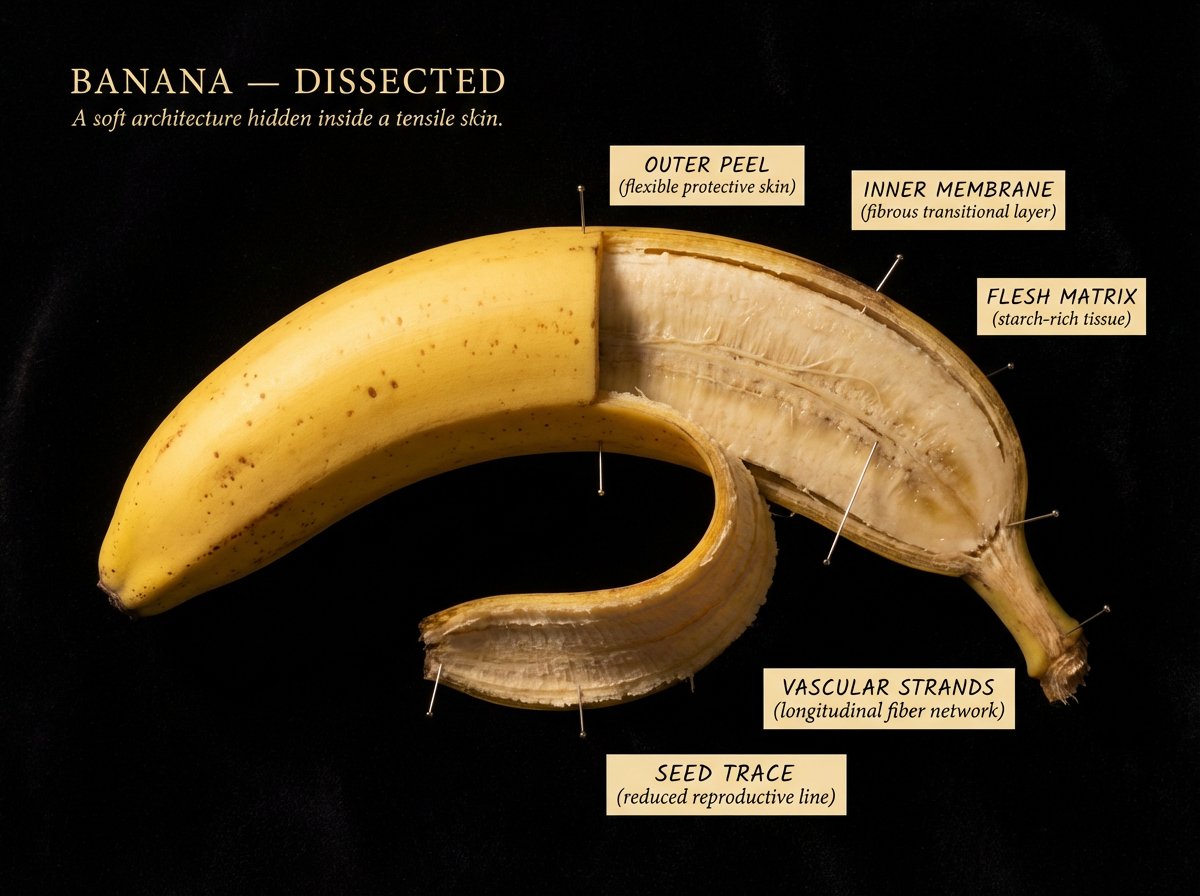
[NATURAL OBJECT] dissected as if by a master naturalist who found it in the wild. Split and pinned open like a specimen, but lit as if Caravaggio worked for National Geographic. Every internal structure glowing with its own material truth. Cross-section so sharp it feels violent. Interior so beautiful it feels sacred. The full object present, one half intact, one half opened to its core, every layer at the resolution of obsession. Background: pure black velvet. The object floats in it like something precious and dangerous. Labels pressed close, handwritten-weight serif, never floating: "[STRUCTURE]" / "[MATERIAL TRUTH]" / "[AGE OR SCALE]" "[OBJECT] DISSECTED" title in warm ivory caps, upper left. "[One line that makes you lean closer]" italic beneath. Mood: Audubon illustration meets Caravaggio meets the most beautiful science photograph ever taken. 4K, specimen lighting, extraordinary interior detail, nothing clinical, everything alive.
Some prompts are collected from creators on X. Copyright belongs to the original authors.